When designing a pneumatic conveying system for bean powder, several critical factors must be considered to ensure efficient, reliable, and cost-effective operation. The following key points provide a comprehensive guide to system design, focusing on the specific requirements of bean powder handling and the expertise of Shandong HeadPowder Engineering Co., Ltd.
System Selection and Material Characteristics
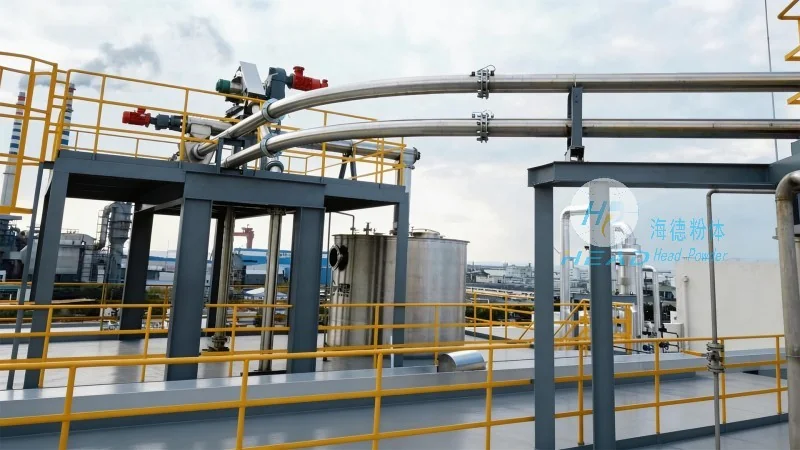
Bean powder, with its unique particle size, moisture content, and flow properties, demands a tailored pneumatic conveying solution. The choice between positive and negative pressure systems, as well as the selection of appropriate air velocities and pressure differentials, is paramount. Shandong HeadPowder Engineering Co., Ltd. evaluates material characteristics such as bulk density, dustiness, and abrasiveness to recommend the most suitable conveying method. For bean powder, which often exhibits cohesive behavior, positive pressure systems with high air velocity and proper duct design are typically preferred to prevent blockages and ensure smooth material transport.
Pipeline Design and Layout Optimization
The layout of the conveying pipeline significantly impacts system performance and energy consumption. Properly designed bends, elbows, and transitions are essential to maintain consistent air flow and prevent pressure losses. Shandong HeadPowder Engineering Co., Ltd. employs advanced computational fluid dynamics (CFD) analysis to optimize pipeline geometry, ensuring minimal turbulence and efficient material movement. The use of smooth, corrosion-resistant materials like stainless steel or high-density polyethylene (HDPE) for the pipeline is recommended to prevent material buildup and maintain system hygiene, which is crucial for food-grade applications like bean powder processing.
Air Source and Compressor Selection
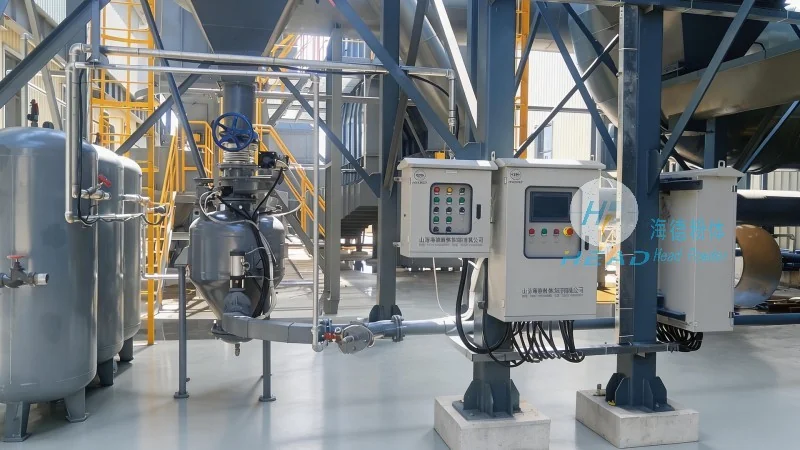
The air compressor is the heart of any pneumatic conveying system, and its selection directly affects operational efficiency and cost. For bean powder systems, a high-pressure, oil-free compressor is often preferred to avoid contaminating the product with oil residues. Shandong HeadPowder Engineering Co., Ltd. recommends variable frequency drive (VFD) compressors that can adjust air flow and pressure based on real-time demand, reducing energy waste. Proper filtration and moisture removal from the compressed air are also critical to prevent corrosion in the system and maintain product quality. The company’s expertise in selecting the right compressor size and type ensures optimal performance and longevity.
Equipment Integration and Control Systems
Integrating various components, such as feeders, cyclones, and dust collectors, into a cohesive system requires careful planning. The feeder, which introduces bean powder into the pipeline, must be designed to handle the material’s flow characteristics without causing blockages or uneven feeding. Shandong HeadPowder Engineering Co., Ltd. often recommends rotary valves or screw feeders for bean powder, as they provide consistent material flow and can handle varying feed rates. The cyclone separator, used to separate the conveyed material from the air stream, must be sized appropriately to handle the system’s capacity and maintain high separation efficiency. Advanced control systems, including pressure sensors and flow meters, enable real-time monitoring and adjustment of the system, ensuring stable operation and preventing system failures.
System Maintenance and Longevity
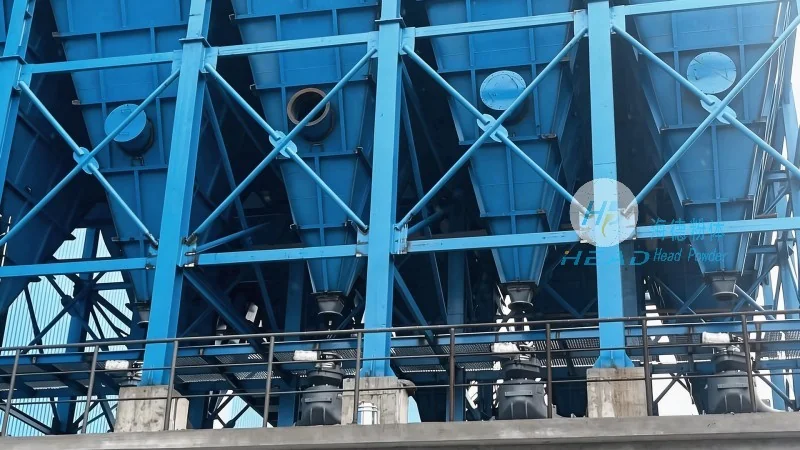
Regular maintenance is essential to ensure the long-term reliability of a pneumatic conveying system. Shandong HeadPowder Engineering Co., Ltd. provides comprehensive maintenance plans that include routine checks of air filters, compressor lubrication, and pipeline cleanliness. Preventive maintenance, such as replacing worn-out parts and cleaning cyclones, helps avoid costly downtime and extends the system’s lifespan. The use of high-quality components and materials, as recommended by the company, minimizes the risk of failure and ensures consistent performance over time. For bean powder applications, maintaining system hygiene is critical, as any contamination can affect product quality and safety.
Case Study: Successful Bean Powder Conveying Implementation
Shandong HeadPowder Engineering Co., Ltd. has successfully implemented numerous pneumatic conveying systems for bean powder processing facilities. One notable project involved a client in China who required a system to transport 10 tons of bean powder per hour from a storage silo to a processing plant. The company designed a positive pressure system with a stainless steel pipeline, a high-pressure compressor, and a rotary valve feeder. The system was optimized for minimal pressure loss and energy consumption, with real-time monitoring of air flow and pressure. The client reported a 20% reduction in energy costs and a 15% increase in production efficiency after the system was installed. This case study highlights the effectiveness of the design considerations outlined above and the expertise of Shandong HeadPowder Engineering Co., Ltd. in delivering tailored solutions for bean powder handling.




