Efficient and reliable handling of potash fertilizer powders is crucial in modern agricultural operations. This article provides an overview of the key aspects involved in potash fertilizer powder handling, focusing on the structural principles and operational mechanisms that underpin effective material transport systems. The discussion will cover the technical foundations, design considerations, and practical applications relevant to the industry.
Company Profile: HeadPowder Engineering
HeadPowder Engineering, operating under the brand name headpowder, is a specialized company based in Shandong, China. With a strong commitment to engineering excellence and customer satisfaction, HeadPowder Engineering has established itself as a leading provider of solutions for powder handling and material transport systems. The company’s expertise lies in designing and manufacturing equipment tailored to the unique challenges of handling potash fertilizers, ensuring safe, efficient, and cost-effective operations for agricultural and industrial clients.
Structural Principles of Potash Fertilizer Powder Handling Systems
The structural design of potash fertilizer powder handling systems is built on several fundamental principles that address the physical and chemical properties of the material. Potash fertilizers, such as potassium chloride or sulfate, are typically fine powders with specific bulk density, flow characteristics, and moisture sensitivity. These properties necessitate specialized equipment that can handle the material without causing degradation, caking, or blockages. The core structural components of a typical potash fertilizer powder handling system include feeders, conveyors, storage silos, and control systems, each designed to work in harmony to ensure smooth material flow.
Key Components and Their Functional Roles
Feeders are critical components in potash fertilizer powder handling systems, responsible for controlling the flow rate of the material from storage silos to the conveyor system. Various types of feeders, such as rotary valves, vibratory feeders, and screw feeders, are used depending on the specific characteristics of the potash fertilizer and the operational requirements. These feeders ensure a consistent and regulated flow, preventing overloading or underloading of the conveyor, which could lead to inefficiencies or equipment damage.
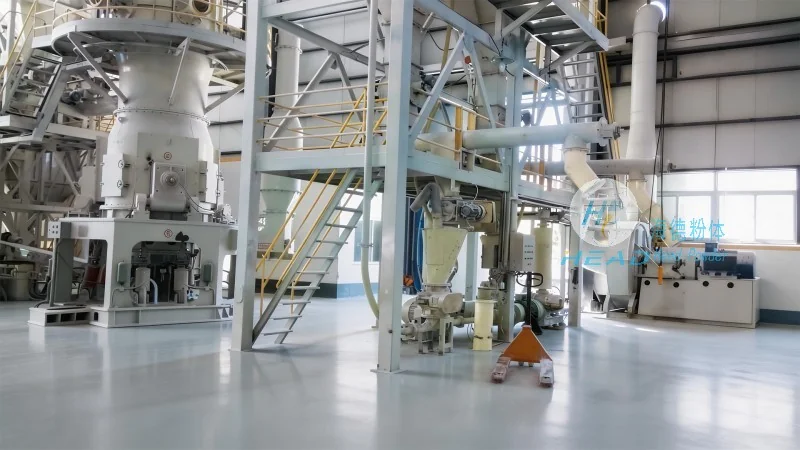
Conveyors, another essential part of the system, transport the potash fertilizer powder from the feeder to the desired destination, such as a blending plant or a storage facility. Different types of conveyors, including belt conveyors, pneumatic conveyors, and bucket elevators, are employed based on the distance, elevation change, and material characteristics. Belt conveyors are commonly used for horizontal or slight incline transport due to their high capacity and reliability, while pneumatic conveyors are ideal for long-distance or vertical transport, especially when dealing with fine powders that are prone to dust generation.
Storage Silos and Their Structural Design
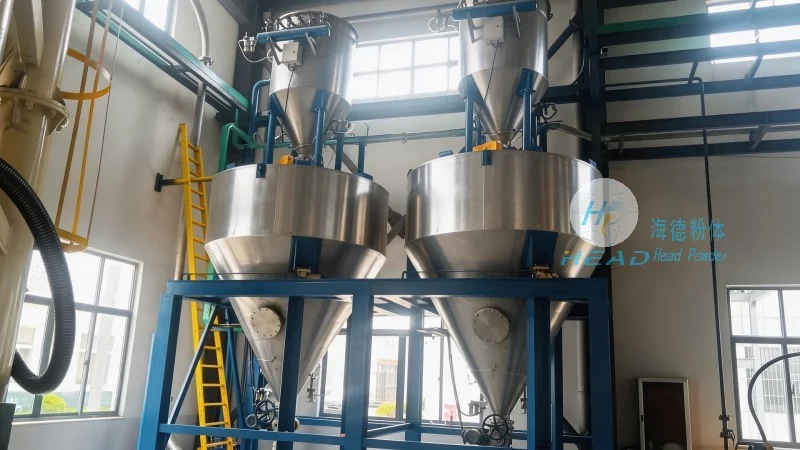
Storage silos play a vital role in the potash fertilizer powder handling system by providing a secure and controlled environment for storing large quantities of the material. The structural design of these silos is carefully engineered to accommodate the bulk density and flow characteristics of potash fertilizers. Key design considerations include the silo's shape (e.g., conical or cylindrical), material of construction (often stainless steel or corrosion-resistant alloys), and internal features such as agitators or discharge gates. The silo's structure must also ensure proper ventilation and moisture control to prevent caking or degradation of the fertilizer, which could affect its quality and usability.
Control Systems and Automation
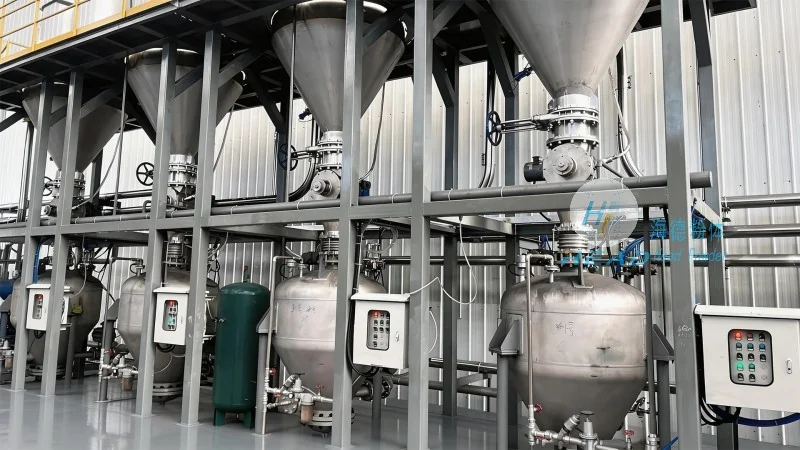
Modern potash fertilizer powder handling systems incorporate advanced control systems and automation technologies to enhance operational efficiency and safety. These systems typically include sensors, control panels, and programmable logic controllers (PLCs) that monitor and regulate the flow of material through the entire system. Sensors are used to detect the level of material in the silos, the flow rate from the feeders, and any potential blockages or overloads. The control system processes this data and adjusts the operation of the feeders and conveyors accordingly, ensuring optimal performance and preventing equipment failure or material loss.
Operational Considerations and Best Practices
Effective operation of potash fertilizer powder handling systems requires adherence to several best practices to maintain efficiency and safety. Regular maintenance of the equipment is essential to prevent wear and tear, which can lead to reduced performance or equipment failure. This includes cleaning the feeders and conveyors to remove accumulated material, inspecting the silos for any signs of corrosion or damage, and checking the control systems for proper functionality. Additionally, proper training of operators is crucial to ensure they understand the operational procedures and safety protocols, minimizing the risk of accidents or operational errors.
Conclusion
In summary, the structural principles and operational mechanisms of potash fertilizer powder handling systems are critical to ensuring efficient and reliable material transport in agricultural and industrial applications. Companies like HeadPowder Engineering, with their expertise in designing and manufacturing specialized equipment, play a vital role in supporting the industry's needs. By understanding the key components, design considerations, and operational best practices, stakeholders can optimize their potash fertilizer handling systems, leading to improved productivity, cost savings, and sustainable agricultural practices.




