Refractory materials are fundamental to high-temperature industrial processes, and the efficient handling of their powders is crucial for maintaining operational efficiency and safety. This article provides an overview of refractory powder conveying systems, focusing on their structural design and fundamental operating principles. By understanding these aspects, industrial operators can better select and maintain equipment that ensures reliable material transport in demanding environments.
Key Components of Refractory Powder Conveying Systems
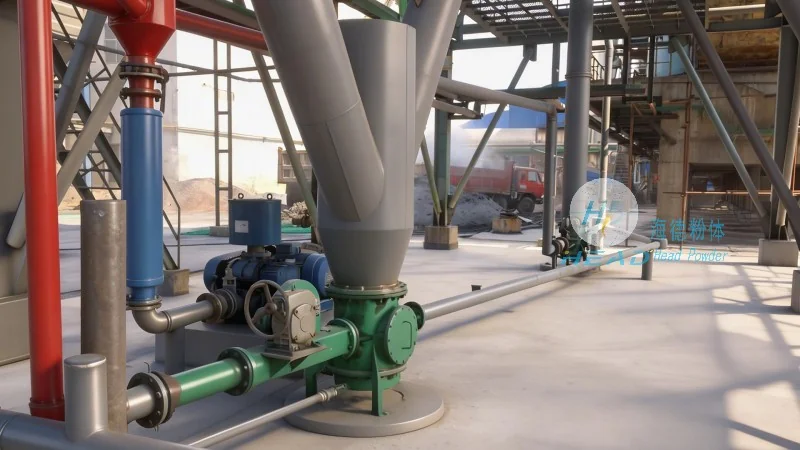
Refractory powder conveying systems typically consist of several key components that work in tandem to move powders from a source to a destination. The primary components include a feeding mechanism, a conveying medium (such as air or mechanical components), a pipeline or ductwork, and a discharge system. Each component plays a crucial role in the overall performance of the system.
The feeding mechanism is responsible for introducing the refractory powder into the conveying system. This can be achieved through various methods, including screw feeders, rotary valves, or pneumatic feeders, depending on the material's properties and the required flow rate. The choice of feeder is critical as it must handle the specific characteristics of refractory powders, which can range from fine to coarse particles and may have varying moisture content or abrasive properties.
The conveying medium is another vital part of the system. In pneumatic conveying systems, air or other gases are used to transport the powder particles. The pressure or vacuum created by the system propels the powder through the pipeline. The design of the conveying medium, including the velocity and pressure, directly impacts the efficiency and capacity of the system. Proper selection ensures that the powder is moved without excessive pressure drops or particle degradation.
The pipeline or ductwork is the pathway through which the refractory powder travels. It must be constructed from materials that are compatible with the refractory powders and the conveying medium. Common materials include stainless steel, aluminum, or specialized coatings that resist corrosion and abrasion. The design of the pipeline, including its diameter, length, and bends, affects the system's performance, as excessive bends or narrow sections can lead to increased pressure losses and potential blockages.
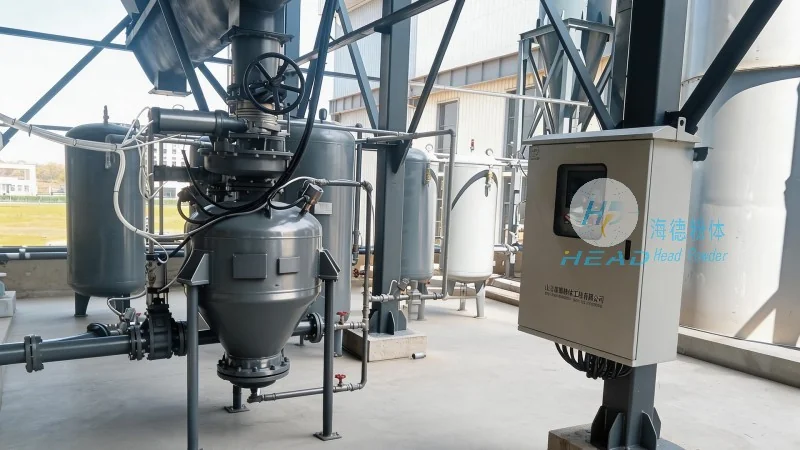
The discharge system is responsible for releasing the refractory powder from the conveying line. This can involve a rotary valve, a venturi, or a hopper, depending on the application. The discharge mechanism must be designed to prevent material buildup and ensure a smooth, controlled release of the powder. Properly designed discharge systems help maintain consistent flow rates and prevent contamination or loss of material.
Operating Principles of Refractory Powder Conveying
The operating principles of refractory powder conveying systems are based on the physical properties of the powder and the conveying medium. The primary principle is the use of air or mechanical force to move the powder particles. In pneumatic systems, the powder is suspended in the air stream and carried through the pipeline. The velocity of the air must be sufficient to keep the particles suspended and prevent them from settling out of the stream.
Another key principle is the concept of pressure or vacuum. Pneumatic conveying systems can operate under positive pressure (where air is forced into the system) or negative pressure (where air is drawn out of the system). Positive pressure systems are often used for long-distance or high-capacity conveying, as they can maintain consistent pressure and flow. Negative pressure systems are typically used for shorter distances or when the powder needs to be transported from a higher to a lower elevation.
The design of the system must also consider the particle size distribution and density of the refractory powder. Fine particles may require higher air velocities to remain suspended, while coarse particles may settle more quickly. The system's capacity and efficiency are directly related to how well these particle characteristics are accommodated. Proper sizing of the pipeline and the conveying medium's velocity is essential to avoid issues such as clogging or excessive energy consumption.
The operating principles also involve the control of temperature and moisture. Refractory powders are often sensitive to temperature changes, and the conveying system must be designed to maintain appropriate temperatures to prevent degradation or changes in material properties. Moisture control is also critical, as excess moisture can lead to clumping or blockages in the system. Proper drying and moisture management are essential components of an effective refractory powder conveying system.
Applications and Benefits of Refractory Powder Conveying Systems
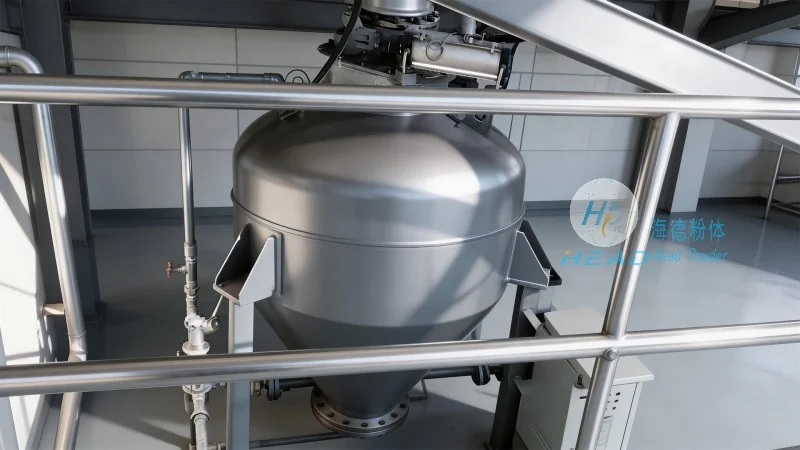
Refractory powder conveying systems are widely used in various industries, including steel, cement, ceramics, and glass manufacturing. These systems are essential for transporting raw materials, such as raw materials for refractory bricks or additives, to production lines. The benefits of using such systems include improved safety, as manual handling of powders is reduced, and increased efficiency, as material transport is automated and consistent.
One of the primary benefits is the reduction of dust exposure for workers. Refractory powders can be hazardous if inhaled, and pneumatic conveying systems help contain the powder within the system, minimizing dust dispersion. This not only improves worker safety but also helps maintain a cleaner working environment, reducing the risk of fire or explosion in industrial settings.
Another benefit is the ability to handle a wide range of refractory materials. Whether the powder is fine, coarse, or has varying moisture content, the system can be adjusted to accommodate different material properties. This flexibility makes refractory powder conveying systems suitable for diverse industrial applications. Additionally, these systems can operate continuously, providing a steady supply of materials to production processes, which enhances overall productivity.
The use of refractory powder conveying systems also contributes to cost savings. By automating the material handling process, labor costs are reduced, and material loss due to spillage or contamination is minimized. The efficient design of the system also reduces energy consumption, as proper air velocity and pressure management can optimize energy use. Overall, refractory powder conveying systems offer significant advantages in terms of safety, efficiency, and cost-effectiveness for industrial operations.




