Monosodium glutamate (MSG) is a widely used flavor enhancer in the food industry, and the efficient and reliable transportation of its powder form is crucial for industrial production processes. This article, provided by Shandong HeadPowder Engineering Co., Ltd. (headpowder), offers an overview of the monosodium glutamate powder conveying system, focusing on its structural design and operational principles to help users understand its functionality and application in industrial settings.
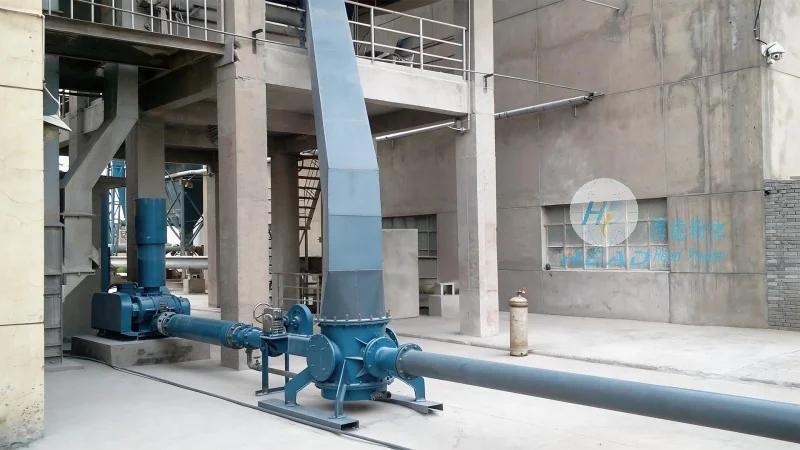
Overview of the Monosodium Glutamate Powder Conveying System
The monosodium glutamate powder conveying system is a specialized equipment designed to transport MSG powder from storage silos or production lines to processing units or packaging stations. As a key component in food processing facilities, this system ensures the smooth flow of raw material, minimizing downtime and enhancing overall production efficiency. The system typically integrates multiple components, including hoppers, conveyors, and control systems, to achieve safe and efficient powder handling.
Structural Components and Design of the Conveying System
The monosodium glutamate powder conveying system consists of several core structural components that work in harmony to facilitate powder movement. The primary components include the material hopper, which serves as the storage and feeding unit for the MSG powder. This hopper is designed with a sloped bottom to allow gravity-assisted flow of the powder into the conveying line. The hopper is equipped with a discharge valve or gate to control the flow rate, preventing overloading or clogging. Additionally, the system incorporates a conveyor mechanism, such as a screw conveyor or pneumatic conveyor, which is selected based on the specific characteristics of the MSG powder, including its particle size, moisture content, and flowability.
The screw conveyor, a common choice for monosodium glutamate powder, features a rotating helical screw inside a cylindrical tube. As the screw rotates, it pushes the powder forward along the tube, ensuring continuous and uniform movement. The design of the screw, including its pitch and diameter, is optimized to handle the specific properties of MSG powder, minimizing friction and preventing material degradation. The conveyor is usually equipped with a drive motor and a speed control system, allowing operators to adjust the conveying speed according to production requirements. The system also includes a receiving hopper or storage bin at the end of the conveyor, where the powder is collected before being transferred to the next processing stage.
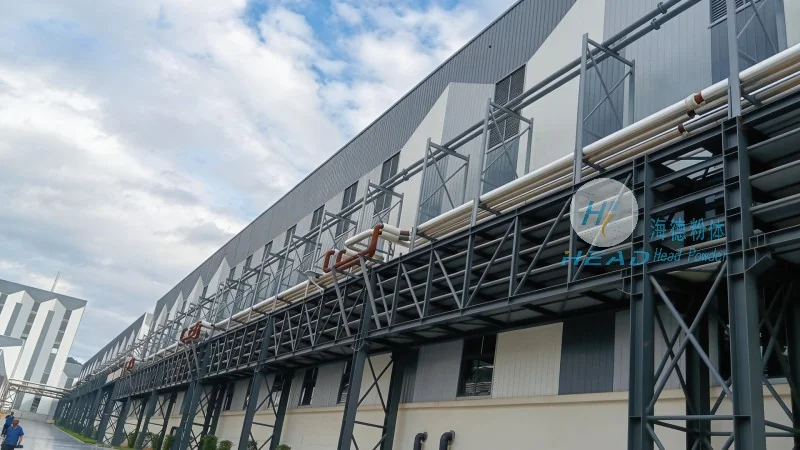
Working Principle of the Conveying System
The operation of the monosodium glutamate powder conveying system follows a systematic process that ensures the safe and efficient transport of the material. The process begins with the loading of MSG powder into the initial hopper. The powder is then released from the hopper into the conveyor via the discharge valve, which is controlled by a pneumatic or electric actuator. The conveyor mechanism then takes over, moving the powder through the system using the appropriate conveying method. For example, in a screw conveyor system, the rotating screw displaces the powder forward, while in a pneumatic system, compressed air is used to create a flow of powder through a pipeline.
The system is equipped with sensors and control devices to monitor the flow rate, pressure, and level of the powder in real-time. These sensors provide feedback to the control system, which adjusts the operation of the conveyor and other components as needed. For instance, if the powder level in the hopper is low, the control system may trigger the loading mechanism to replenish the material. Similarly, if the conveyor speed is too high or too low, the system can adjust the motor speed to maintain optimal flow. The control system also includes safety features, such as emergency stop buttons and overload protection, to prevent accidents and equipment damage.
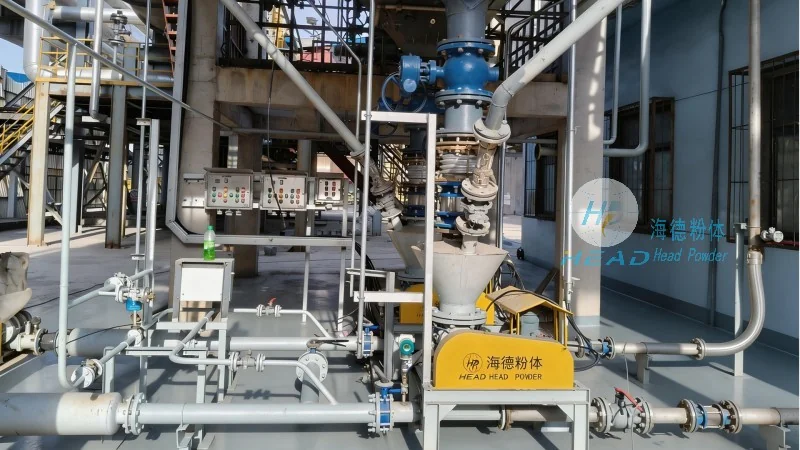
Applications and Benefits of the Monosodium Glutamate Powder Conveying System
The monosodium glutamate powder conveying system is widely used in various industries, particularly in the food processing sector, where MSG is a common ingredient. The system is essential for large-scale production facilities that require consistent and reliable supply of MSG powder to meet production demands. By automating the powder handling process, the system reduces the risk of human error and improves the overall efficiency of the production line. Additionally, the system helps maintain the quality of the MSG powder by minimizing exposure to air, moisture, and contaminants, which can affect its flavor and shelf life.
One of the key benefits of the monosodium glutamate powder conveying system is its ability to handle large volumes of powder with minimal labor. The automated design reduces the need for manual handling, which not only improves safety but also increases productivity. The system is also designed to be flexible, allowing it to be integrated with other production equipment, such as mixers, blenders, and packaging machines. This integration enables a seamless flow of materials from one stage to the next, enhancing the overall efficiency of the production process.
Conclusion
In conclusion, the monosodium glutamate powder conveying system is a critical component in the food processing industry, providing an efficient and reliable method for transporting MSG powder. Its structural design and operational principles are tailored to meet the specific requirements of the material, ensuring safe and consistent handling. By understanding the components and working principles of this system, users can make informed decisions about its application in their production facilities, ultimately improving operational efficiency and product quality.




