In industrial settings, the efficient transportation of cement and fly ash is essential for maintaining production efficiency and minimizing downtime. Pneumatic conveying systems have emerged as a preferred method due to their ability to handle bulk materials with minimal maintenance and environmental impact. The design and calculation of these systems require a comprehensive understanding of material properties, system dynamics, and operational requirements. This article delves into the critical aspects of designing a cement and fly ash pneumatic conveying system, covering the key calculations involved and the equipment selection process. A well-designed system not only ensures smooth material flow but also optimizes energy usage and reduces operational costs, making it a vital component of modern material handling solutions.
Key Design Parameters and Calculations
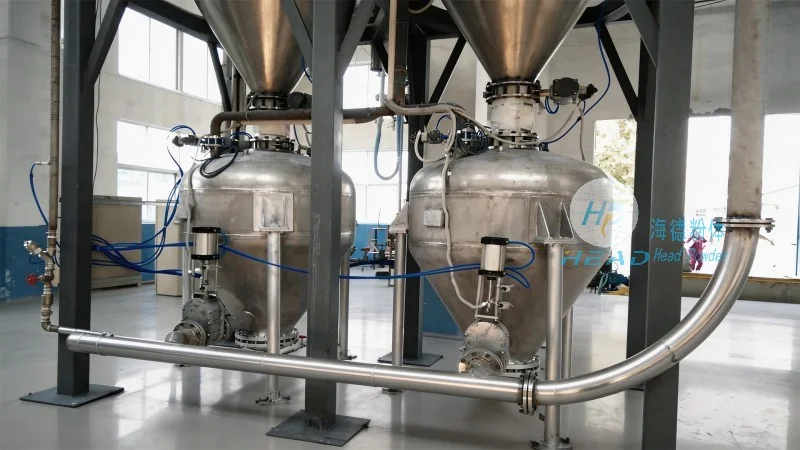
The successful design of a cement and fly ash pneumatic conveying system begins with the determination of several fundamental parameters. These include the conveying velocity, which dictates the speed at which material particles are transported through the system. The appropriate air velocity is calculated based on the material's bulk density, particle size, and flowability. Engineers use empirical formulas, such as the Carman-Kozeny equation or industry-specific guidelines, to estimate the required velocity. The pressure drop across the system is another critical parameter, as it affects the energy consumption and overall system performance. The pressure drop is influenced by factors like pipeline length, diameter, bends, and fittings. Accurate calculation of pressure drop ensures that the system operates within the specified pressure range, preventing excessive energy waste or equipment failure. Additionally, the air volume required to maintain the desired conveying rate is determined by considering the material's flow rate and the system's design layout. These calculations are typically performed using specialized software or manual methods, ensuring that the system is optimized for both performance and cost-effectiveness.
Equipment Selection for Cement and Fly Ash Conveying
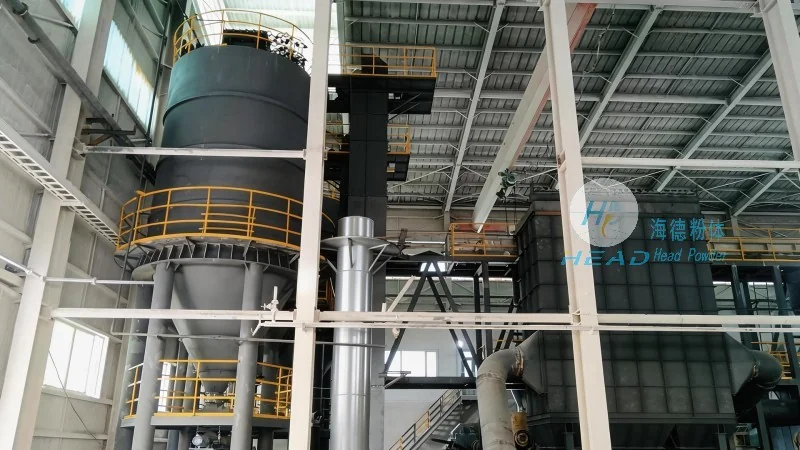
Choosing the right equipment is paramount to the success of a cement and fly ash pneumatic conveying system. The selection process involves a thorough evaluation of each component to ensure compatibility with the material and operational conditions. Feeders are the first point of contact for the material and are selected based on the material's flow characteristics. Rotary valves, for example, are commonly used for cohesive materials like cement due to their ability to control the feeding rate accurately. Screw feeders are suitable for free-flowing materials and can handle varying flow rates. Air movers, such as positive displacement blowers or centrifugal fans, are selected to provide the necessary pressure and volume. Positive displacement blowers offer high pressure at lower volumes, making them ideal for high-concentration systems, while centrifugal fans are more suitable for low-pressure, high-volume applications. The pipeline design is another critical aspect, as the diameter and material of the pipes affect the pressure drop and material flow. Stainless steel or carbon steel pipes are commonly used, depending on the material's corrosiveness and the system's operating conditions. Separation devices, such as cyclones or bag filters, are installed to remove the material from the air stream. Cyclones use centrifugal force to separate particles from the air, while bag filters use fabric media to trap fine particles. The selection of each component is carefully considered to ensure the system operates efficiently and meets the required standards for material recovery and air quality.
Company Introduction: Shandong HeadPowder Engineering Co., Ltd.
Shandong HeadPowder Engineering Co., Ltd., operating under the brand name headpowder, is a leading engineering firm specializing in material handling solutions. With a strong focus on cement and fly ash pneumatic conveying systems, the company has established itself as a trusted provider of customized engineering solutions. Headpowder's team comprises experienced engineers, technicians, and project managers who work closely with clients to understand their specific needs and develop tailored solutions. The company utilizes advanced design software, such as CAD and CFD tools, to model and simulate pneumatic conveying systems, ensuring that the designs are optimized for efficiency and reliability. Headpowder's commitment to quality is reflected in its adherence to international standards and rigorous testing protocols. The company's products and services are designed to enhance productivity, reduce operational costs, and improve safety in industrial environments. By leveraging its expertise and state-of-the-art facilities, headpowder delivers high-quality systems that meet the diverse requirements of its clients.
Location and Contact Information
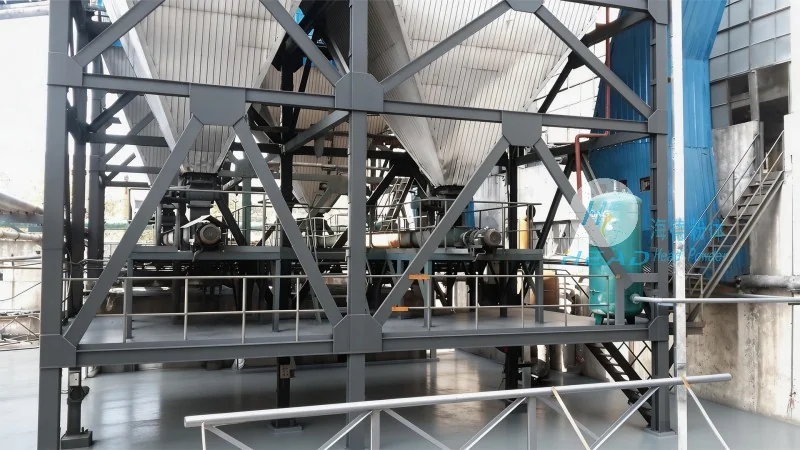
Headpowder is headquartered in Shandong, China, with a dedicated facility equipped with modern equipment and testing capabilities. The company's location in Shandong provides strategic advantages, including proximity to major cement and power plants, facilitating efficient project execution and after-sales support. The facility is equipped with laboratories and testing equipment to evaluate material properties and system performance under various conditions. Clients benefit from headpowder's local presence, ensuring timely and effective service. The company's address is in Shandong, China, and it serves clients both domestically and internationally, delivering solutions that meet global standards. Headpowder's commitment to customer satisfaction and technical excellence has made it a preferred choice for industries requiring reliable material handling systems.




