HeadPowder, a leading engineering firm based in Shandong, China, specializes in the design, calculation, and selection of equipment for pneumatic conveying systems, particularly for calcium oxide powder. This article provides a comprehensive overview of the key considerations and methodologies involved in the process, ensuring efficient and reliable material handling solutions for industrial applications.
Company Overview and Expertise
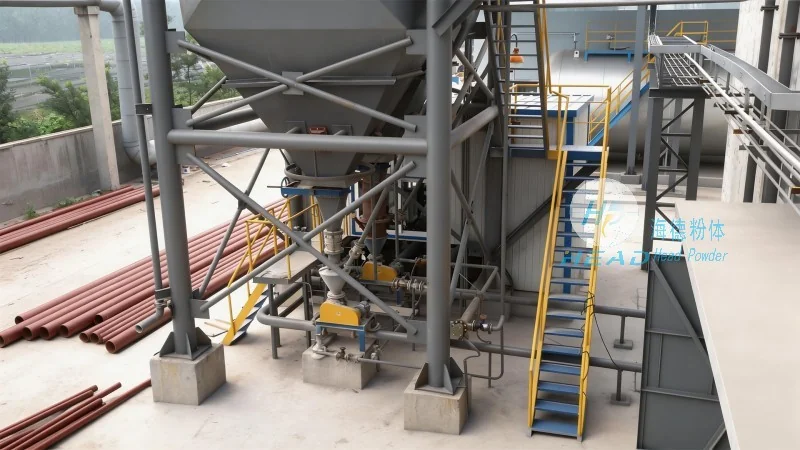
Shandong HeadPowder Engineering Co., Ltd. is dedicated to delivering high-quality engineering solutions tailored to the unique needs of the chemical and material processing industries. With a strong focus on pneumatic conveying technology, the company leverages years of experience to assist clients in optimizing their material handling processes. The expertise of HeadPowder extends from initial system design and calculation to the selection of appropriate equipment, ensuring that each project meets the highest standards of efficiency, safety, and durability.
Pneumatic Conveying Fundamentals for Calcium Oxide Powder
Pneumatic conveying is a critical method for transporting dry powders like calcium oxide, offering advantages such as reduced dust generation, improved safety, and the ability to handle materials in a closed system. The process involves using air or other gases to move the powder through a pipeline network. For calcium oxide, which is a fine, abrasive powder, the design of the conveying system must account for its physical properties, including particle size, density, and flow characteristics. Proper understanding of these properties is essential for selecting the right conveying method—whether it be pressure or vacuum-based—and for ensuring optimal system performance.
Design Calculation Process for Pneumatic Conveying Systems
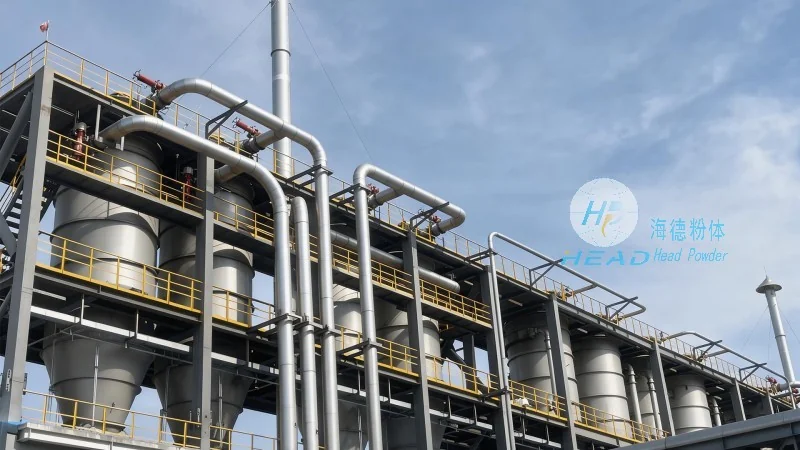
The design calculation of a pneumatic conveying system for calcium oxide powder begins with a thorough analysis of the material characteristics and operational requirements. Key parameters include the required conveying capacity, the distance and elevation changes, and the desired system pressure or vacuum levels. HeadPowder employs advanced computational methods to determine the necessary air velocity, pressure drop, and power consumption. The calculation process involves several steps: first, determining the material's bulk density and flowability; second, selecting the appropriate conveying line diameter based on the required velocity and pressure drop; third, calculating the air flow rate and power required to move the powder; and finally, evaluating the system's overall efficiency and potential for optimization.
Equipment Selection for Calcium Oxide Pneumatic Conveying
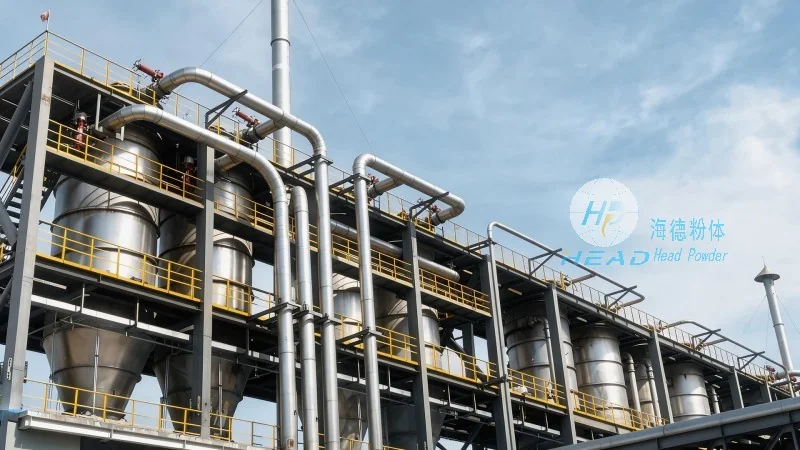
Choosing the right equipment is crucial for the successful operation of a calcium oxide pneumatic conveying system. HeadPowder recommends a combination of components tailored to the specific application. At the material feed point, a suitable feeder, such as a rotary valve or a screw feeder, is essential to maintain a consistent flow rate and prevent blockages. The conveying line itself is typically made of corrosion-resistant materials like stainless steel or polyethylene to withstand the abrasive nature of calcium oxide. For pressure systems, a positive displacement blower or a rotary lobe pump provides the necessary air pressure, while vacuum systems use a centrifugal fan. At the discharge end, a receiver or a dust collector is installed to separate the powder from the air stream, ensuring that the material is collected efficiently and that the air is filtered before release. Additionally, accessories like pulse jet filters and silencers are often included to enhance system performance and reduce noise levels.
System Integration and Optimization
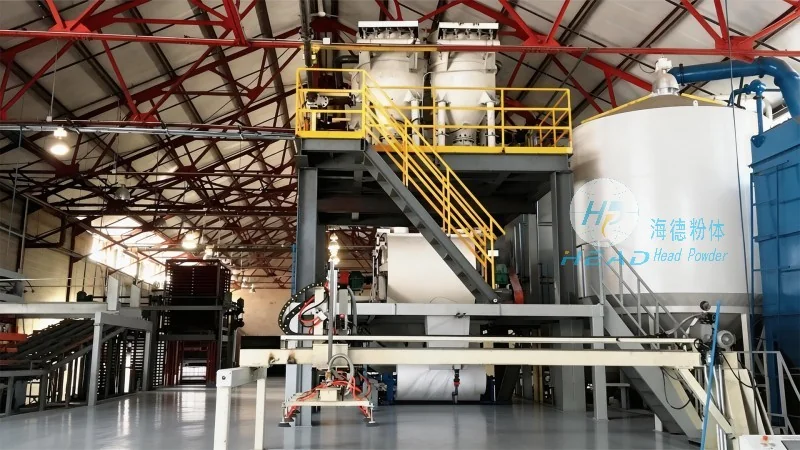
Effective integration of all components is vital to achieve the desired performance in a calcium oxide pneumatic conveying system. HeadPowder's engineers work closely with clients to ensure that the system is optimized for their specific operational conditions. This includes considering factors such as the system's layout, the placement of equipment, and the integration with existing infrastructure. Regular maintenance and performance monitoring are also recommended to ensure long-term reliability. By focusing on system integration and optimization, HeadPowder helps clients maximize the efficiency and lifespan of their pneumatic conveying systems, reducing operational costs and improving overall productivity.
Conclusion
Designing and selecting the appropriate equipment for pneumatic conveying of calcium oxide powder requires a comprehensive approach that considers material properties, operational requirements, and system efficiency. HeadPowder, with its expertise and experience, provides tailored solutions that address the unique challenges of handling this abrasive and fine powder. By following the design calculation methodologies and selecting the right equipment, industrial facilities can achieve reliable and cost-effective material handling, enhancing their overall operational performance.




