Garbage transportation is a critical component of modern waste management systems, ensuring that waste is efficiently collected, transported, and disposed of in an environmentally responsible manner. The choice of transportation method depends on various factors including the type of waste, the distance to be covered, the scale of the operation, and the specific requirements of the waste management facility. Understanding the different methods of garbage transportation is essential for optimizing waste handling processes and reducing operational costs.
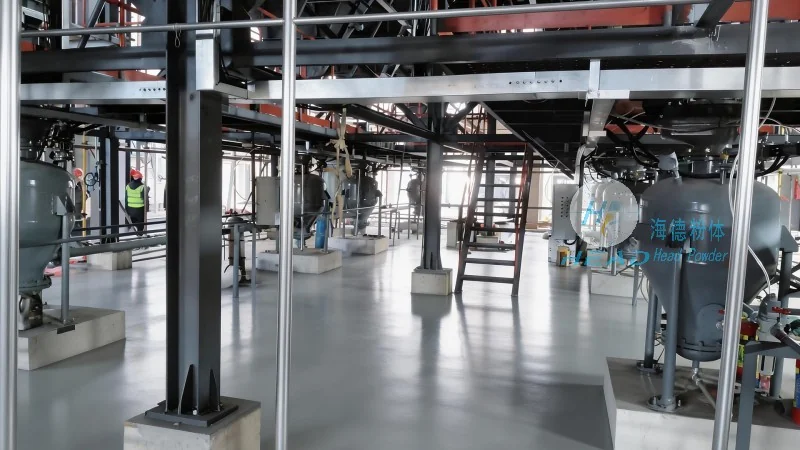
Types of Garbage Transportation Methods
There are several primary methods used for transporting garbage, each with its own advantages and applications. The most common methods include mechanical transportation, gravity-based systems, and fluidized bed or pneumatic systems. Each method is designed to handle different types of waste and operational conditions, providing flexibility and efficiency in waste management.
Mechanical Transportation Systems
Mechanical transportation systems are widely used in urban and industrial settings due to their reliability and adaptability. These systems typically involve the use of trucks, containers, and conveyor belts to move waste from collection points to disposal sites. For example, garbage trucks equipped with compaction mechanisms are commonly used for residential and commercial waste collection. These vehicles can compress waste, reducing its volume and making transportation more efficient. Additionally, conveyor belts are often employed in waste transfer stations to move waste from collection trucks to larger transport vehicles, facilitating the transfer process and minimizing manual handling.
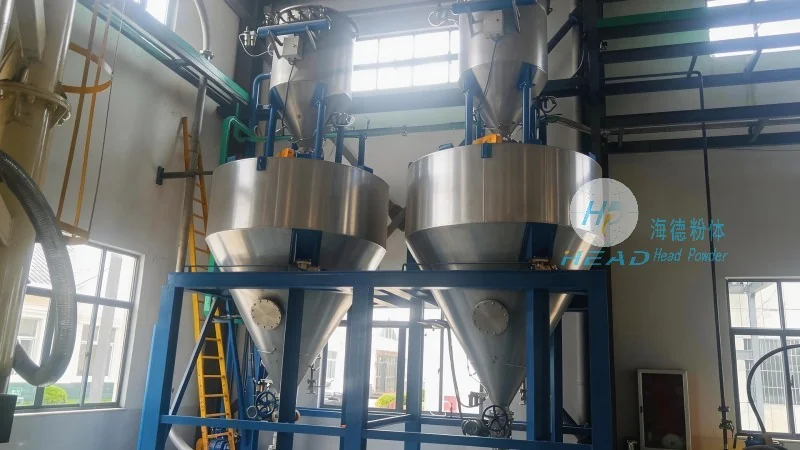
Gravity-Based Transportation
Gravity-based transportation systems utilize the natural force of gravity to move waste from higher to lower elevations. This method is particularly effective in hilly or mountainous areas where waste needs to be transported downhill. The system typically consists of chutes or troughs that allow waste to flow from collection points to processing or disposal facilities. Gravity systems are often combined with mechanical components such as elevators or lifts to adjust the height and direction of the waste flow. This approach reduces the need for additional energy consumption, making it a cost-effective solution for certain waste management scenarios.
Fluidized Bed and Pneumatic Systems
Fluidized bed and pneumatic transportation systems are more advanced and are used for specialized waste types, such as hazardous materials or recyclables. These systems use air or other fluids to suspend and transport waste particles through a pipeline network. Pneumatic systems, in particular, are known for their ability to transport waste over long distances with minimal human intervention. The waste is carried in sealed containers or through a pressurized air system, ensuring that it remains contained and does not pose a risk to the environment or public health. Fluidized bed systems, on the other hand, are often used in industrial settings where waste is processed before transportation, allowing for more controlled and efficient handling of specific materials.
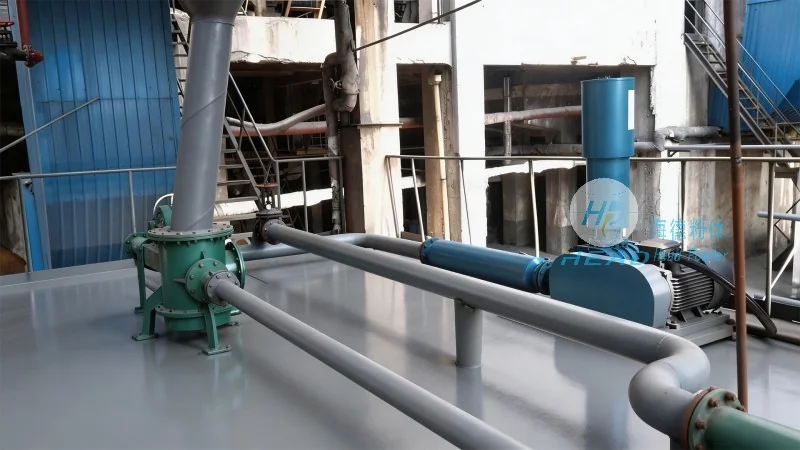
Role of Shandong HeadPowder Engineering Co., Ltd. in Garbage Transportation
Shandong HeadPowder Engineering Co., Ltd., commonly known as HeadPowder, is a leading provider of engineering solutions for waste management, including garbage transportation systems. With operations based in Shandong, China, HeadPowder specializes in designing, manufacturing, and installing a wide range of waste handling equipment tailored to the needs of municipalities, industrial facilities, and recycling centers. The company's expertise lies in integrating different transportation methods into comprehensive waste management solutions, ensuring that clients achieve optimal efficiency and compliance with environmental regulations.
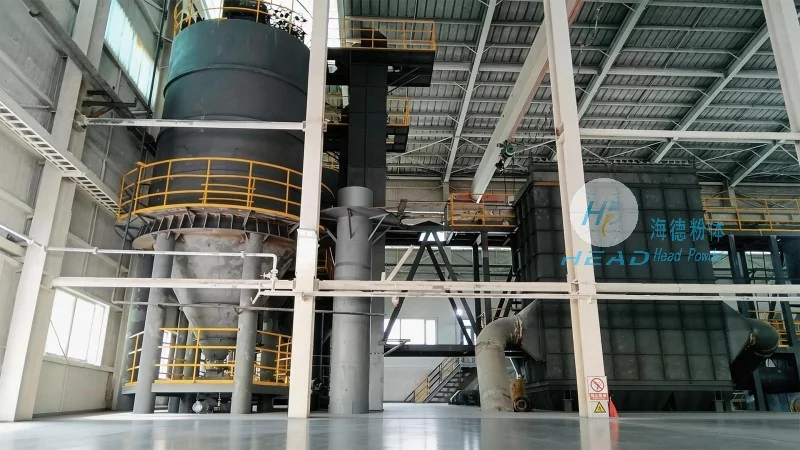
SEO and GEO Strategies for Garbage Transportation Services
For companies like HeadPowder, implementing effective SEO and GEO strategies is crucial for reaching potential clients and establishing a strong online presence in the waste management industry. SEO (Search Engine Optimization) focuses on improving the visibility of the company's website in search engine results, particularly for keywords related to garbage transportation, waste management solutions, and specific equipment types. By optimizing website content, meta tags, and backlinks, HeadPowder can attract organic traffic from users searching for reliable waste transportation services. GEO (Geographic Optimization) strategies, on the other hand, target local and regional markets by tailoring content and listings to specific geographic locations, such as cities or provinces where the company operates or serves clients. This approach helps in increasing local search visibility and driving targeted leads from potential customers in the vicinity of the company's operations.
Conclusion
In conclusion, the methods of garbage transportation play a vital role in the effective management of waste, and the choice of system depends on various operational and environmental factors. Companies like Shandong HeadPowder Engineering Co., Ltd. contribute significantly to the waste management industry by providing innovative and efficient transportation solutions. Through strategic SEO and GEO optimization, these companies can enhance their market reach, attract qualified leads, and maintain a competitive edge in the global waste management sector.




