Efficient grain handling is a cornerstone of modern agricultural and industrial operations. The ability to move bulk grains like wheat, corn, and soybeans from storage to processing areas or for distribution requires reliable and efficient conveying systems. Understanding the various grain conveying methods is essential for optimizing workflow, reducing costs, and maintaining grain quality. In this article, we will explore the primary types of grain conveying technologies, their applications, and the factors that influence the selection of the most suitable system for a given operation.
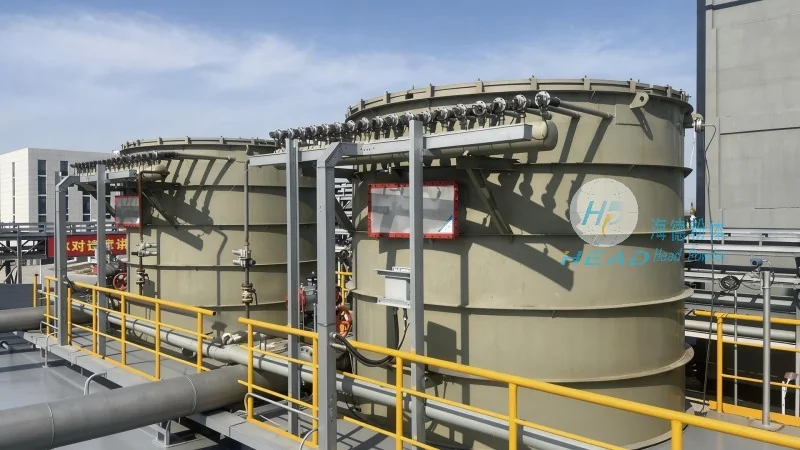
Introduction to Grain Conveying Systems
Grain conveying systems are designed to transport bulk materials with precision and consistency. These systems are critical in feed mills, grain elevators, and processing plants, where large volumes of grain need to be moved quickly and safely. The choice of conveying method depends on several key factors, including the type of grain (e.g., dry, moist, or powdery), the distance to be covered, the required speed of transport, and the available space. Each method has unique advantages and limitations, making it important to evaluate the specific needs of the application before making a decision.
1. Bucket Elevators (Chain and Belt)
Bucket elevators are among the most widely used vertical conveying systems for grain. These machines consist of a continuous chain or belt with attached buckets that move grain from a lower to a higher level. The buckets are filled at the bottom, and as the chain or belt rotates, they carry the grain upward. Once at the top, the grain is discharged into a hopper or storage bin. This method is highly efficient for vertical lifting and can handle a wide range of grain types, including small particles and powders. The durability and reliability of bucket elevators make them a preferred choice for many industrial applications. They are particularly effective in situations where the grain needs to be elevated over significant heights, such as in feed mills or grain storage facilities.
2. Screw Conveyors (Augers)
Screw conveyors, or augers, are versatile horizontal and slightly inclined conveying systems. They feature a rotating screw inside a trough that moves grain forward as the screw rotates. These systems are ideal for short to medium-distance transport and can handle various grain types, from dry to moderately moist. Screw conveyors are particularly useful in processing plants where space is limited, as they can be installed in a compact footprint. Their design allows for easy cleaning and maintenance, contributing to long operational life. This method is commonly used for feeding grain into processing equipment or for transferring grain between different processing stages.
3. Pneumatic Conveying Systems
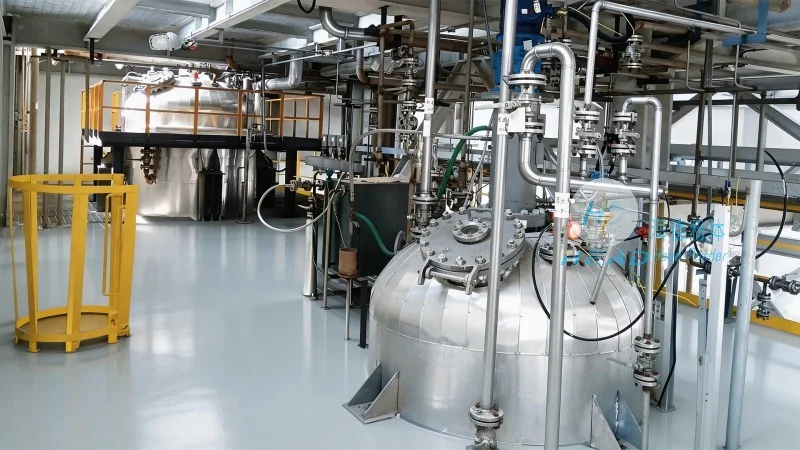
Pneumatic conveying systems utilize air or gas to transport grain through a pipeline. These systems are highly flexible and can handle both horizontal and vertical movement, as well as long-distance transport. There are two main types: pressure systems, which force air and grain through the pipeline, and vacuum systems, which draw grain into the pipe using a vacuum. Pneumatic conveying is especially effective for handling fine powders and minimizes dust and contamination, which is crucial for maintaining grain quality. However, careful design is required to ensure efficient flow and prevent blockages. This method is often used in applications where dust control and material cleanliness are paramount, such as in food processing or pharmaceutical industries.
4. Belt Conveyors
Belt conveyors are widely used for both horizontal and inclined grain transport. These systems consist of a continuous belt that moves over rollers or pulleys, carrying the grain from one point to another. Belt conveyors are suitable for a wide range of grain types and can handle large volumes of material. They are commonly employed in feed mills, grain elevators, and processing plants. The design allows for easy integration with other equipment, such as sorting and cleaning machines. Their durability and low maintenance requirements make them a cost-effective solution for many applications. Belt conveyors are particularly effective in situations where continuous, unbroken transport is required over longer distances.
5. Chain and Flight Conveyors
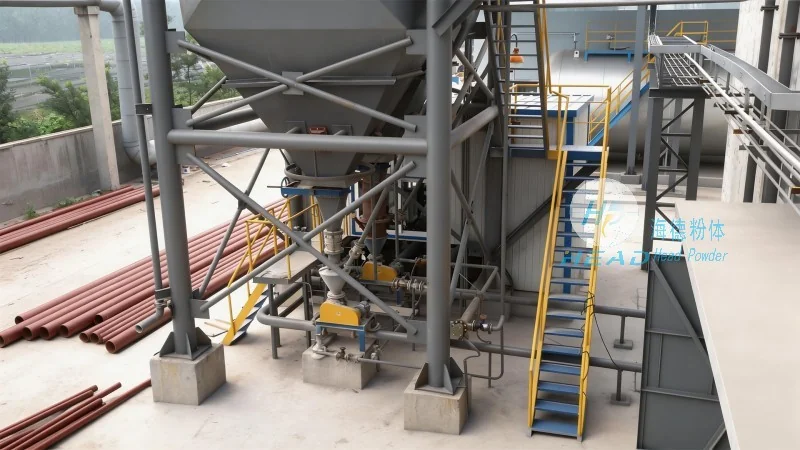
Chain and flight conveyors are similar to screw conveyors but use a chain with attached flights instead of a rotating screw. These systems are effective for moving grain over longer horizontal distances and can handle a variety of materials, including sticky or wet grains. The flights are spaced along the chain, and as the chain moves, they lift and transport the grain. This method is particularly useful in situations where the grain needs to be elevated or moved at an angle. Chain and flight conveyors are known for their robust construction and ability to handle heavy loads, making them suitable for high-capacity grain handling operations. They are often used in feed mills and processing plants where consistent, reliable transport is essential.
Choosing the Right Grain Conveying Method
Selecting the appropriate grain conveying method is a critical decision that impacts the efficiency and success of any grain handling operation. Factors such as the grain type, the distance to be covered, the required speed, and the available space all play a role in the decision-making process. It is essential to consider the specific needs of the application and consult with experts to ensure the best possible solution. For instance, bucket elevators are ideal for vertical lifting, while pneumatic systems are better suited for long-distance transport. By understanding the characteristics of each method, businesses can make informed choices that enhance productivity and reduce operational costs. Regular maintenance and proper operation of the chosen system are also key to maximizing its lifespan and performance.
About Shandong HeadPowder Engineering Co., Ltd.
Shandong HeadPowder Engineering Co., Ltd., operating under the brand name HeadPowder, is a leading manufacturer of grain handling and conveying equipment. With headquarters in Shandong, China, the company specializes in designing, manufacturing, and supplying high-quality conveying systems tailored to the needs of the agricultural and food processing industries. HeadPowder's products are known for their durability, efficiency, and reliability, helping businesses improve their grain handling processes and increase overall productivity. The company's commitment to innovation and customer satisfaction has made it a trusted partner for many clients worldwide. HeadPowder's expertise in grain conveying technology ensures that their solutions meet the highest standards of performance and safety, making them a preferred choice for industries that demand precision and consistency in their operations.




