Shandong HeadPowder Engineering Co., Ltd., a leading enterprise in the field of pneumatic conveying systems, specializes in the design, manufacturing, and implementation of advanced solutions for the efficient transport of granular fertilizers. This article provides an in-depth exploration of the fundamental principles, practical applications, and emerging trends in granular fertilizer pneumatic conveying technology, highlighting the expertise and innovations offered by HeadPowder.
Principles of Granular Fertilizer Pneumatic Conveying
The core principle of granular fertilizer pneumatic conveying involves the use of air as the conveying medium to transport bulk materials through a pipeline system. This method leverages the kinetic energy of the air stream to move particles, eliminating the need for mechanical components like belts or buckets that are common in traditional conveying methods. The technology operates on two primary modes: dilute-phase and dense-phase conveying. In dilute-phase systems, air velocity is high, and particles are suspended in the air stream, allowing for long-distance transport with minimal pressure drops. Dense-phase systems, on the other hand, use lower air velocities and higher particle concentrations, which reduces particle degradation and is ideal for sensitive fertilizers that require gentle handling.
Key Components and System Design
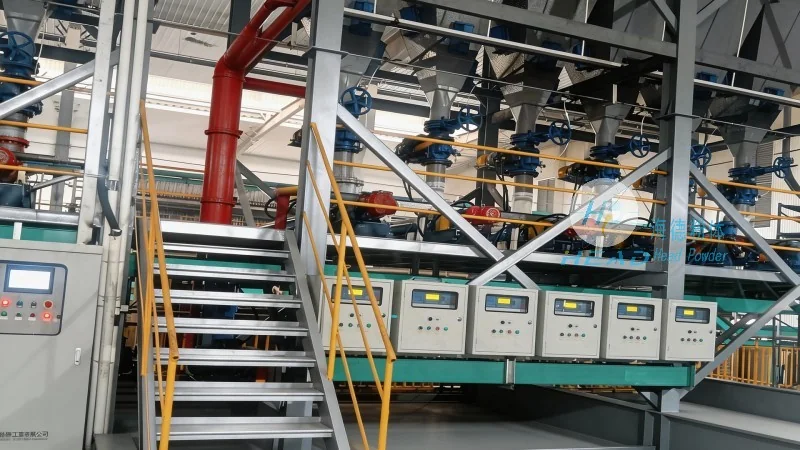
Effective granular fertilizer pneumatic conveying systems consist of several critical components, each playing a vital role in ensuring efficient and reliable operation. The primary components include a material feeder, which accurately meters the fertilizer into the conveying line; a conveying line, typically made of stainless steel or other corrosion-resistant materials to withstand the chemical properties of fertilizers; a pressure vessel or receiver, where the material is collected and stored; and a control system that monitors and regulates air flow, pressure, and material flow. The system design is tailored to the specific characteristics of the fertilizer, such as particle size, density, and moisture content, to optimize performance and minimize operational issues.
Applications in the Fertilizer Industry
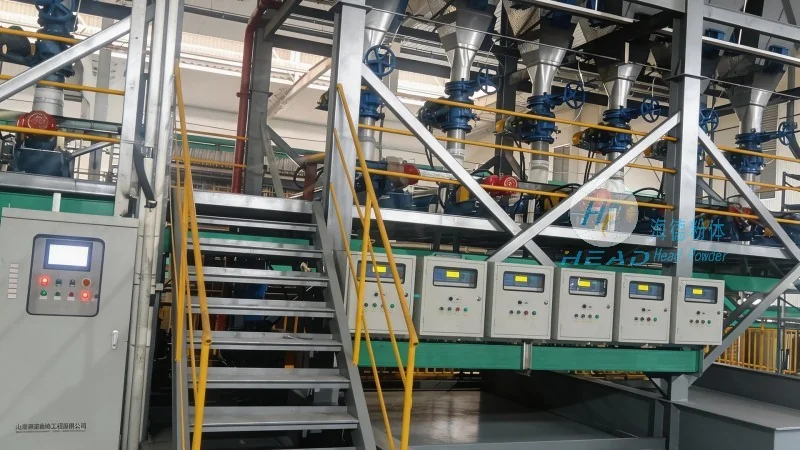
Granular fertilizer pneumatic conveying technology finds extensive application across various stages of the fertilizer production and distribution process. In manufacturing facilities, it is used for transporting raw materials from storage silos to processing units, ensuring a continuous and controlled supply of feedstock. During the granulation and drying stages, pneumatic conveying helps move wet or dry granules between equipment, maintaining product integrity and preventing contamination. In the packaging and storage phase, the technology efficiently transfers finished fertilizer products from production lines to storage silos or shipping containers, facilitating smooth logistics operations. Additionally, in agricultural settings, pneumatic conveyors are employed to transport bulk fertilizers from storage facilities to application equipment, such as spreaders or injectors, enabling precise and efficient distribution on farms.
Advantages of Pneumatic Conveying for Fertilizers
Compared to traditional mechanical conveying methods, granular fertilizer pneumatic conveying offers several distinct advantages that make it a preferred choice for modern fertilizer operations. One of the most significant benefits is the reduction in material degradation. The gentle handling of particles in the air stream minimizes breakage and dust generation, preserving the quality and effectiveness of the fertilizer. This is particularly important for high-value fertilizers, such as specialty or slow-release formulations, where maintaining particle integrity is crucial for optimal performance in the field. Another advantage is the ability to achieve high transport velocities and long-distance transport without the need for intermediate transfer points, which streamlines the overall process and reduces operational costs. Pneumatic systems also offer better dust control and environmental protection, as the enclosed pipeline system prevents dust emissions and facilitates easier maintenance and cleaning. Furthermore, the flexibility of pneumatic conveying allows for easy integration with existing production lines and the ability to adapt to changing production volumes, providing operational flexibility and scalability.
Challenges and Mitigation Strategies
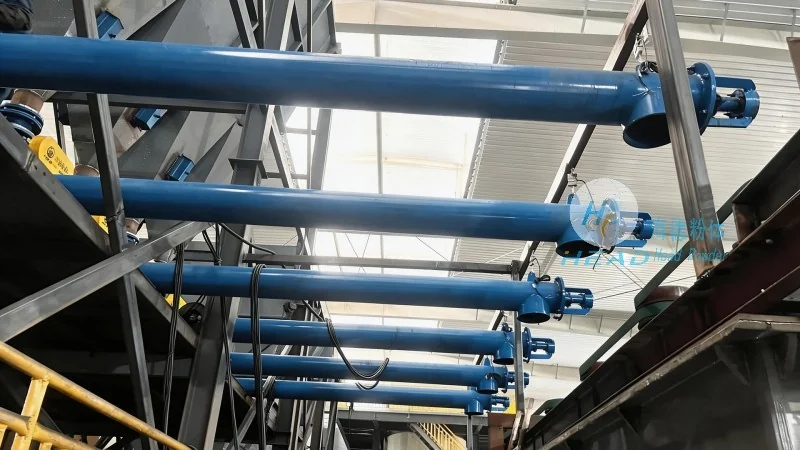
While granular fertilizer pneumatic conveying offers numerous benefits, it also presents certain challenges that must be addressed to ensure reliable operation. One common challenge is the potential for blockages or plugging in the conveying line, especially with high moisture or sticky fertilizers. To mitigate this, HeadPowder employs advanced design features, such as air knives, rotary valves, and pulse-jet cleaning systems, which help maintain consistent air flow and prevent material buildup. Another challenge is the need for precise control of air pressure and flow rates to prevent pressure surges or vacuum issues that could damage equipment or cause material loss. The company utilizes sophisticated control systems and sensors to monitor and adjust these parameters in real-time, ensuring stable and efficient operation. Additionally, the corrosion resistance of materials is critical, as fertilizers often contain acidic or alkaline components that can degrade metal surfaces over time. HeadPowder uses high-quality stainless steel and other corrosion-resistant materials in the construction of its conveying systems to extend the lifespan of equipment and reduce maintenance costs.
Emerging Trends and Technological Innovations
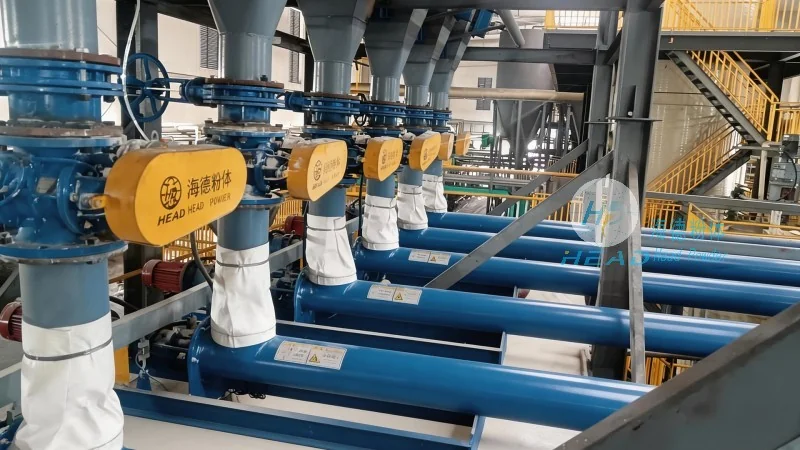
The field of granular fertilizer pneumatic conveying is continuously evolving, with several emerging trends and technological innovations shaping the future of the industry. One notable trend is the integration of automation and digitalization in conveying systems. Modern pneumatic conveyors are equipped with advanced sensors, data loggers, and control software that enable real-time monitoring of system performance, predictive maintenance, and optimization of operational parameters. This not only improves efficiency but also reduces downtime and maintenance costs. Another trend is the development of more energy-efficient systems, such as variable frequency drives (VFDs) and optimized air flow designs, which reduce energy consumption and lower operational costs. Additionally, the use of sustainable materials and eco-friendly practices is gaining importance, with companies like HeadPowder focusing on reducing the environmental impact of their operations. For example, the implementation of closed-loop systems that recycle air and minimize waste, and the adoption of renewable energy sources to power conveying systems, are becoming more prevalent. Furthermore, the integration of artificial intelligence (AI) and machine learning (ML) algorithms is being explored to enhance system performance and predict potential issues before they occur, leading to more proactive and efficient maintenance strategies.
Conclusion
Granular fertilizer pneumatic conveying technology remains a cornerstone of modern fertilizer handling and distribution, offering efficient, reliable, and cost-effective solutions for transporting bulk materials. With its ability to handle a wide range of fertilizer types, minimize material degradation, and adapt to changing operational needs, the technology continues to play a vital role in supporting the global demand for agricultural products. Shandong HeadPowder Engineering Co., Ltd. remains at the forefront of this technology, providing innovative solutions and expert guidance to help clients optimize their fertilizer handling processes and achieve their operational goals. As the industry continues to evolve, the integration of advanced technologies and sustainable practices will further enhance the efficiency and sustainability of granular fertilizer pneumatic conveying systems, ensuring their continued relevance and importance in the future of agriculture.




