Shandong HeadPowder Engineering Co., Ltd., commonly known as HeadPowder, is a professional enterprise specializing in the research, development, and production of pneumatic conveying systems. The company is headquartered in Shandong, China, and has been committed to providing high-quality solutions for material handling in various industrial sectors. With years of experience and technical expertise, HeadPowder focuses on the design and implementation of efficient and reliable pneumatic conveying technologies, particularly for gypsum particles and other bulk materials.
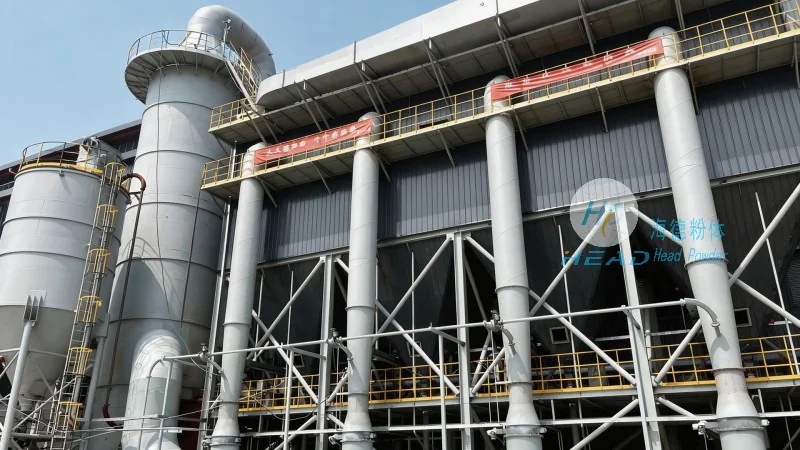
Gypsum Particle Pneumatic Conveying Technology: An Overview
Pneumatic conveying technology is a key method for transporting bulk materials, such as gypsum particles, through the use of air or gas as the conveying medium. This technology offers several advantages over traditional mechanical conveying methods, including reduced equipment wear, lower maintenance costs, and improved safety in handling potentially dusty or hazardous materials. The fundamental principle of pneumatic conveying involves creating a pressure differential between the conveying line and the ambient environment, which propels the material along the pipeline. There are two main types of pneumatic conveying systems: pressure and vacuum systems. Pressure systems use compressed air to push the material, while vacuum systems use a vacuum to draw the material into the pipeline. For gypsum particles, the choice of system depends on factors like material characteristics, distance, and required flow rate.
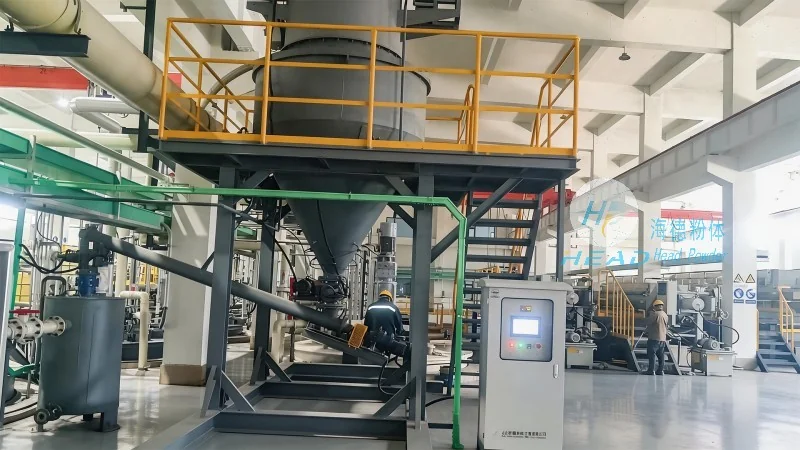
Principles of Gypsum Particle Pneumatic Conveying
The core of gypsum particle pneumatic conveying lies in the interaction between the material and the air flow within the conveying line. Key principles include the design of the conveying line, the selection of appropriate air velocities, and the control of pressure differentials. The air velocity must be sufficient to overcome the gravitational and frictional forces acting on the particles, ensuring they remain suspended and transported efficiently. The conveying line is typically made of materials like stainless steel or plastic, which are resistant to corrosion and abrasion from gypsum particles. The system also includes components such as feeders, cyclones, and filters to manage the material flow and prevent blockages. The feeders are responsible for introducing the gypsum particles into the conveying line at a controlled rate, while the cyclones separate the particles from the air stream at the receiving end. Filters are used to capture any fine particles that may escape, ensuring compliance with environmental regulations and maintaining system efficiency.
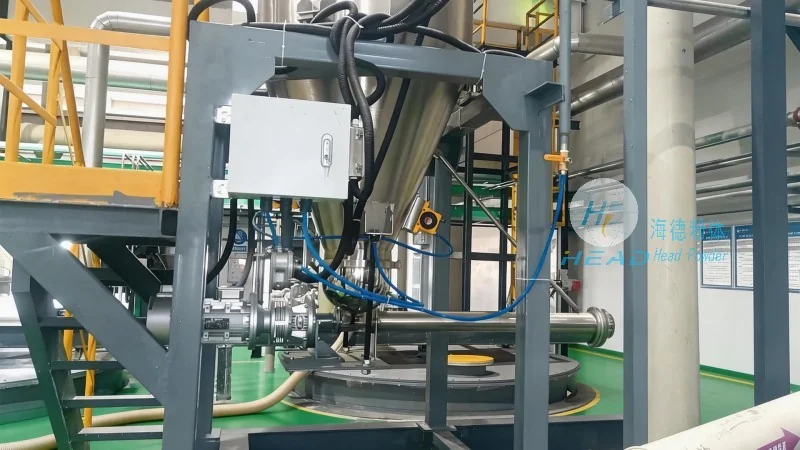
Applications of Gypsum Particle Pneumatic Conveying
Gypsum particle pneumatic conveying technology is widely used in various industries, including construction, pharmaceuticals, and food processing. In the construction industry, it is commonly employed for transporting gypsum board raw materials, which are essential for producing drywall and other building materials. The technology enables efficient and dust-free transport of gypsum particles from storage silos to production lines, improving production efficiency and reducing operational costs. In the pharmaceutical industry, pneumatic conveying is used to handle gypsum-based excipients or raw materials, ensuring a clean and hygienic process. The system's ability to maintain a sterile environment and prevent cross-contamination is crucial for pharmaceutical applications. Similarly, in the food industry, pneumatic conveying is used for transporting gypsum-based ingredients in food processing, where hygiene and product quality are paramount. The technology's flexibility allows it to adapt to different material characteristics and production requirements, making it a versatile solution for bulk material handling.
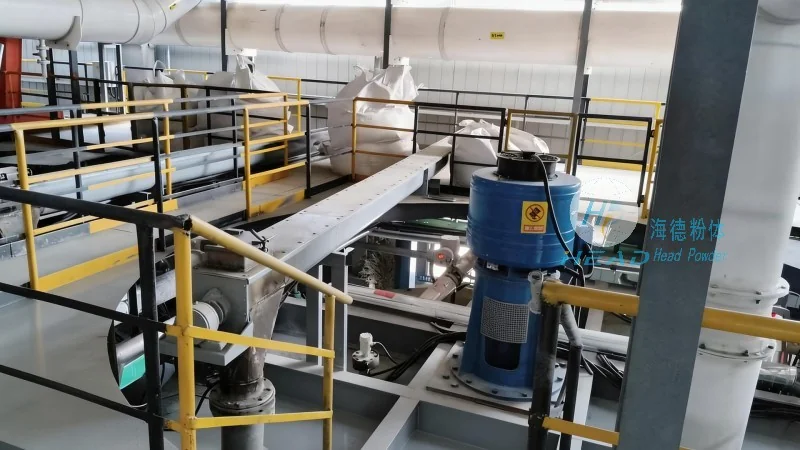
Development Trends in Gypsum Particle Pneumatic Conveying
The field of gypsum particle pneumatic conveying is continuously evolving, driven by technological advancements and increasing demand for efficient material handling solutions. One of the key trends is the integration of automation and control systems, which enhances the system's performance and reduces human intervention. Modern pneumatic conveying systems now incorporate advanced sensors and control panels that monitor parameters such as air pressure, flow rate, and material level, allowing for real-time adjustments and optimization. Another trend is the development of more energy-efficient systems, which reduce operational costs and environmental impact. Innovations in air compressor technology and energy recovery systems have led to significant improvements in energy efficiency, making pneumatic conveying more sustainable. Additionally, the use of smart materials and predictive maintenance is becoming more prevalent. These technologies enable proactive monitoring of system components, reducing downtime and maintenance costs. The trend towards modular and customizable systems is also notable, as manufacturers offer tailored solutions to meet specific customer requirements. This approach allows for greater flexibility and adaptability in different industrial applications. Furthermore, the increasing focus on sustainability and environmental compliance is driving the development of eco-friendly pneumatic conveying systems. This includes the use of renewable energy sources and the implementation of waste reduction strategies. Overall, the future of gypsum particle pneumatic conveying is characterized by innovation, efficiency, and sustainability, with continued advancements in technology and system design.




