When it comes to the transportation of sodium dithionite, a critical chemical widely used in industries such as pulp and paper, textile, and water treatment, understanding the appropriate methods is essential for ensuring safety, efficiency, and compliance with industry standards. As a key product of Shandong HeadPowder Engineering Co., Ltd., based in Shandong, China, the company specializes in providing reliable solutions for the handling and transportation of sodium dithionite. This article explores the various methods used for transporting sodium dithionite, highlighting the factors that influence the choice of each method.

1. Pipeline Transportation: Ensuring Continuous and Safe Delivery
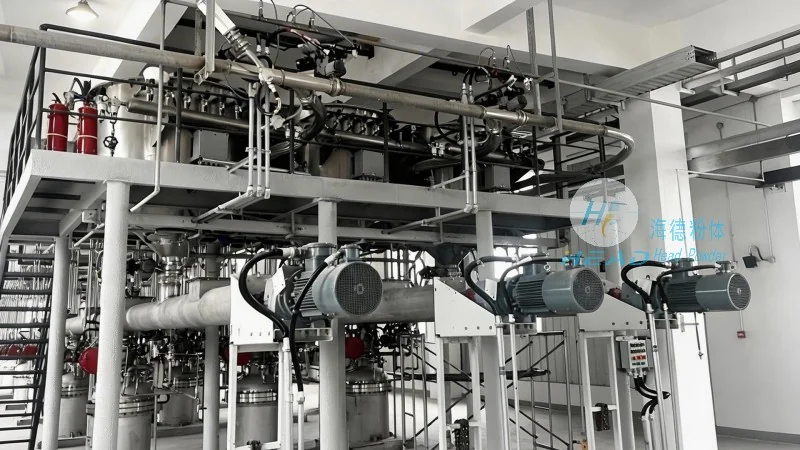
Pipeline transportation is a common method for moving sodium dithionite, especially in industrial settings where large volumes are required on a regular basis. This method involves pumping the chemical through a network of pipes, which can be made from materials such as stainless steel or special plastic to prevent corrosion. The advantages of pipeline transportation include high efficiency, as it allows for continuous flow without the need for frequent loading and unloading. Additionally, it minimizes the risk of spills and exposure to personnel, as the chemical remains contained within the pipeline system. However, this method requires significant infrastructure investment, including the construction and maintenance of pipelines, and is typically suitable for companies with established industrial facilities and consistent demand for sodium dithionite.
2. Tank Truck Transportation: Flexible and Versatile for Bulk Shipping
Tank truck transportation is another widely used method for transporting sodium dithionite in bulk quantities. Tank trucks are specialized vehicles equipped with insulated tanks designed to handle the chemical's properties, such as its sensitivity to moisture and temperature changes. The process involves loading the sodium dithionite into the tank truck at the production facility and then transporting it to the customer's site. This method offers flexibility, as it can be used for both short and long-distance transportation, and is suitable for companies that need to deliver sodium dithionite to multiple locations or for emergency supply needs. The key benefits of tank truck transportation include its ability to handle large volumes and its adaptability to different delivery schedules. However, it also comes with certain challenges, such as the need for proper training of drivers and the implementation of strict safety protocols to prevent accidents during transit.
3. Packaging Transportation: Suitable for Smaller Quantities and Specific Applications
For smaller quantities of sodium dithionite or for applications that require more controlled handling, packaging transportation is often the preferred method. This involves using various types of containers, such as drums, bags, or containers, to store and transport the chemical. The choice of packaging depends on the specific properties of the sodium dithionite, including its moisture sensitivity and the need for temperature control. Drums, for example, are commonly used for liquid or semi-liquid forms of sodium dithionite, while bags or containers are suitable for solid forms. Packaging transportation offers advantages such as ease of handling and storage, as well as the ability to deliver the product directly to the point of use. However, it may not be as efficient for large-scale operations and may require more frequent handling, which can increase the risk of spills or contamination if not managed properly.
4. Factors Influencing the Choice of Transportation Method
The selection of the most appropriate method for transporting sodium dithionite depends on several factors, including the volume of the product, the distance to be traveled, the frequency of delivery, and the specific requirements of the customer. For instance, companies with high-volume, continuous demand may opt for pipeline transportation, while those with lower volumes or more varied delivery needs may choose tank truck or packaging transportation. Additionally, the location of the production facility and the customer's site plays a crucial role, as proximity to existing infrastructure can influence the cost and feasibility of different transportation methods. Shandong HeadPowder Engineering Co., Ltd. understands these factors and works closely with clients to determine the most suitable transportation method based on their unique needs and operational requirements.
5. Safety and Compliance in Sodium Dithionite Transportation
Ensuring safety and compliance is paramount when transporting sodium dithionite, as the chemical is considered hazardous and requires careful handling. All transportation methods must adhere to relevant regulations and standards, such as those set by the International Maritime Organization (IMO) for maritime transport and the U.S. Department of Transportation (DOT) for land transport. This includes proper labeling of containers, use of appropriate safety equipment, and training of personnel involved in the transportation process. Companies like Shandong HeadPowder Engineering Co., Ltd. prioritize safety by implementing rigorous quality control measures and maintaining compliance with all applicable regulations. This commitment to safety not only protects personnel and the environment but also builds trust with clients and ensures the long-term success of the business.




