Stone coal, also known as slag or bottom ash, is a byproduct generated during the combustion process in industrial boilers. Efficient and reliable conveyance of this material is crucial for maintaining operational efficiency and ensuring environmental compliance. Shandong HeadPowder Engineering Co., Ltd., a leading provider in the field, specializes in delivering advanced solutions for stone coal handling and transportation. This article explores the primary methods used for stone coal conveyance, highlighting the key considerations and applications in industrial settings.
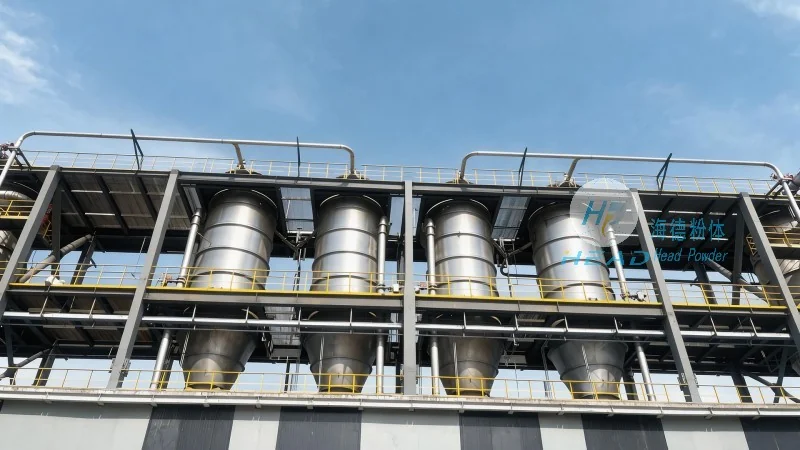
1. Mechanical Conveyance Systems
One of the most common methods for stone coal conveyance is through mechanical systems. These systems utilize physical components such as conveyors, elevators, and screw feeders to transport the material from the boiler to storage or disposal areas. Mechanical conveyors, including belt conveyors and chain conveyors, are widely used due to their durability and ability to handle heavy loads. For vertical or inclined transport, bucket elevators and screw conveyors are often employed. The choice of mechanical system depends on factors like the volume of stone coal, the distance to be covered, and the required speed of transport. Mechanical conveyance is particularly effective in applications where the material is dry and free-flowing, as it minimizes the risk of dust generation and ensures consistent movement.
2. Pneumatic Conveyance Systems
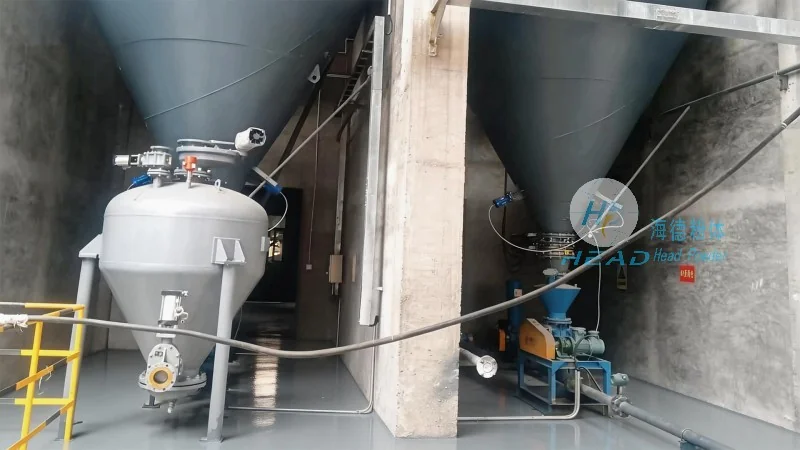
Another prevalent method for stone coal conveyance is pneumatic systems, which utilize air pressure to transport the material through a pipeline network. Pneumatic conveyors are ideal for handling fine or dusty stone coal, as they can effectively contain and transport the material without the need for additional containment equipment. These systems typically consist of a blower, a hopper for material storage, and a pipeline system with valves and filters. The material is fed into the system and carried by a stream of air, which propels it through the pipeline to the desired destination. Pneumatic conveyance offers advantages such as flexibility in layout, reduced labor costs, and the ability to transport material over longer distances without the need for intermediate transfer points. However, it requires careful design to ensure adequate air pressure and flow rates, and may be less suitable for very large or heavy stone coal particles.
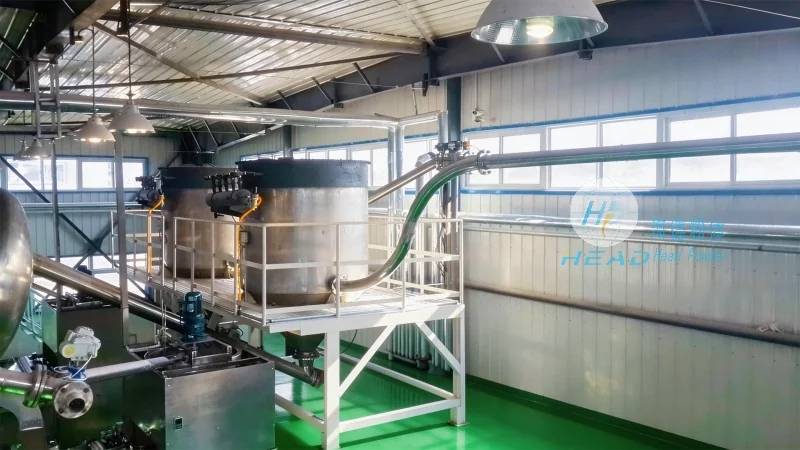
3. Hydraulic Conveyance Systems
Hydraulic conveyance systems use water or other liquids to transport stone coal through a pipeline. This method is particularly effective for handling wet or slurry-like stone coal, where the material is mixed with water to form a slurry. The slurry is then pumped through a pipeline system, similar to a water pipeline, to the disposal or treatment facility. Hydraulic conveyance offers the advantage of being able to transport large volumes of material over long distances with relatively low energy consumption. However, it requires a robust pumping system and proper maintenance to prevent clogging or corrosion in the pipelines. The system also needs to be designed to handle the specific properties of the stone coal, such as its density and viscosity, to ensure efficient transport.
4. Combination Conveyance Systems
In many industrial applications, a combination of mechanical, pneumatic, and hydraulic systems may be used to achieve optimal stone coal conveyance. For example, a mechanical conveyor may be used to transport the stone coal from the boiler to a hopper, where it is then transferred to a pneumatic system for further transport to a storage silo. This integrated approach allows for flexibility and efficiency, as each system is chosen based on the specific requirements of the material and the operational conditions. Combination systems are particularly useful in complex industrial settings where multiple processes are involved, and the material needs to be transported to various locations for different purposes, such as recycling or disposal.
5. Key Considerations for Stone Coal Conveyance
When selecting a stone coal conveyance method, several factors must be considered to ensure the system operates efficiently and safely. The first consideration is the physical properties of the stone coal, including its size, shape, moisture content, and density. These properties will determine the type of equipment best suited for transport, as well as the required maintenance and operational parameters. The second factor is the distance and layout of the transport route, as this will influence the choice between mechanical, pneumatic, or hydraulic systems. Longer distances may require pneumatic or hydraulic systems, while shorter distances can be handled by mechanical conveyors. The third consideration is the environmental and safety requirements, as stone coal can be a hazardous material if not handled properly. Proper containment, dust control, and ventilation are essential to prevent exposure to workers and to comply with environmental regulations. Finally, the cost and maintenance requirements of the system must be evaluated, as these factors will impact the long-term operational efficiency and profitability of the industrial process.
6. Conclusion
Efficient stone coal conveyance is a critical component of industrial boiler operations, and the choice of conveyance method depends on a variety of factors, including the material properties, transport distance, and operational requirements. Shandong HeadPowder Engineering Co., Ltd. offers a range of advanced solutions for stone coal handling, including mechanical, pneumatic, and hydraulic systems, tailored to meet the specific needs of each industrial application. By selecting the appropriate conveyance method and ensuring proper maintenance, industrial facilities can improve operational efficiency, reduce downtime, and comply with environmental regulations. The key to successful stone coal conveyance lies in understanding the material characteristics and choosing the right system to meet the operational goals.




