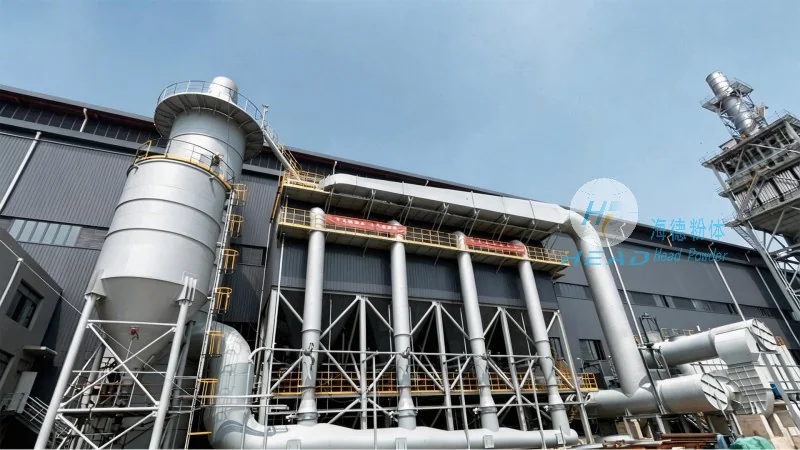
Efficient cement particle transportation is a critical aspect of modern construction and industrial processes, ensuring that raw materials are delivered to production sites with precision and reliability. As a leading provider in the field, Shandong HeadPowder Engineering Co., Ltd., commonly known as HeadPowder, specializes in developing and implementing advanced solutions for cement particle transport. HeadPowder is located in Shandong, China, and serves clients worldwide with its innovative and reliable systems. This article explores the various methods used to transport cement particles, highlighting the key factors that influence the selection of an appropriate system.
Understanding the Importance of Cement Particle Transportation
In the construction and manufacturing industries, the timely and efficient delivery of cement particles is essential for maintaining production schedules and ensuring the quality of final products. Cement, as a primary building material, requires careful handling to prevent degradation, contamination, or loss during transit. Proper transportation methods not only enhance operational efficiency but also contribute to cost savings and environmental sustainability by minimizing material waste and energy consumption. HeadPowder recognizes these challenges and offers tailored solutions that address the specific needs of each client, whether in small-scale projects or large industrial facilities.
Common Methods for Cement Particle Transportation
Several methods are widely used for transporting cement particles, each with distinct advantages and applications. The choice of method depends on factors such as the distance of transport, the volume of material, the required speed, and the environmental conditions. Below are some of the most common approaches:
1. Pneumatic Conveying Systems
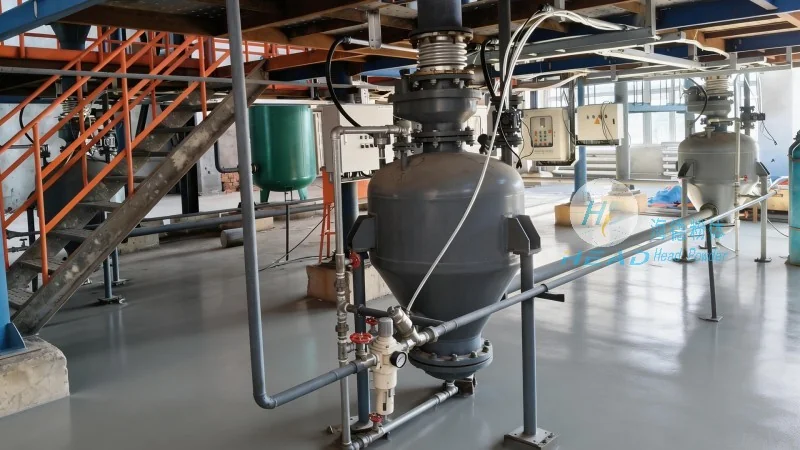
Pneumatic conveying, also known as air conveying, is a popular method for transporting cement particles over short to medium distances. This system uses compressed air to move the material through a pipeline, combining the material with air to create a slurry-like flow. There are two main types of pneumatic conveying: pressure and vacuum systems. Pressure systems are ideal for transporting materials over longer distances or to higher elevations, as they use positive pressure to push the material through the pipeline. Vacuum systems, on the other hand, are suitable for shorter distances and for collecting material from multiple sources. HeadPowder specializes in designing and manufacturing pneumatic conveying systems that are customized to meet the specific requirements of each project, ensuring optimal performance and minimal maintenance.
2. Screw Conveyors
Screw conveyors, also known as auger conveyors, are mechanical devices that use a rotating screw to move cement particles along a trough. This method is particularly effective for horizontal or slightly inclined transport and is commonly used in bulk material handling applications. Screw conveyors are known for their simplicity, low cost, and ability to handle a wide range of materials, including cement. They are often used in conjunction with other equipment, such as hoppers and feeders, to create a seamless material flow. HeadPowder offers a range of screw conveyor solutions, from standard models to custom-designed systems that can handle high volumes of cement particles with minimal downtime.
3. Belt Conveyors
Belt conveyors are another widely used method for transporting cement particles, especially over longer distances or in continuous production lines. This system consists of a continuous belt that moves over rollers or pulleys, carrying the material from one point to another. Belt conveyors are capable of handling large volumes of material and can be adapted to various environments, including outdoor and indoor settings. They are particularly useful for transporting cement from storage silos to processing plants or for moving finished products to packaging areas. HeadPowder provides high-quality belt conveyor systems that are built to withstand the demands of heavy-duty cement transport, ensuring durability and reliable performance.
4. Hydraulic Conveying
Hydraulic conveying is a less common but effective method for transporting cement particles, especially in applications where other systems may not be suitable. This system uses water or a water-cement mixture to transport the material through a pipeline. The material is suspended in the liquid and moved by the flow of water, which can be controlled to adjust the speed and direction of transport. Hydraulic conveying is often used in large-scale industrial operations where high volumes of cement need to be transported over long distances. HeadPowder has experience in designing hydraulic conveying systems that are efficient and environmentally friendly, minimizing water usage and ensuring compliance with regulatory standards.
Choosing the Right Cement Particle Transportation Method
Selecting the appropriate cement particle transportation method requires careful consideration of several factors. The first step is to assess the distance and elevation changes between the source and destination. For short distances and low elevations, screw conveyors or belt conveyors may be sufficient. For longer distances or higher elevations, pneumatic or hydraulic systems may be more appropriate. The volume of material to be transported is another critical factor, as larger volumes may require more robust systems such as belt conveyors or pressure pneumatic systems. The nature of the cement particles, including their size, moisture content, and abrasiveness, also plays a role in system selection. For example, abrasive materials may require special materials of construction for the conveyor components to prevent wear and tear. HeadPowder works closely with clients to evaluate these factors and recommend the most suitable transportation method, ensuring that the chosen system meets the operational and financial goals of the project.




