Compound fertilizer, a crucial component in modern agricultural practices, requires efficient and reliable conveying systems to ensure optimal distribution and application. The methods used for transporting these fertilizers vary based on factors such as the type of fertilizer, production scale, and operational environment. Understanding the available conveying techniques is essential for agricultural businesses and manufacturers to select the most suitable solution for their needs. This article explores the primary methods employed in the industry, highlighting the advantages and considerations of each approach.
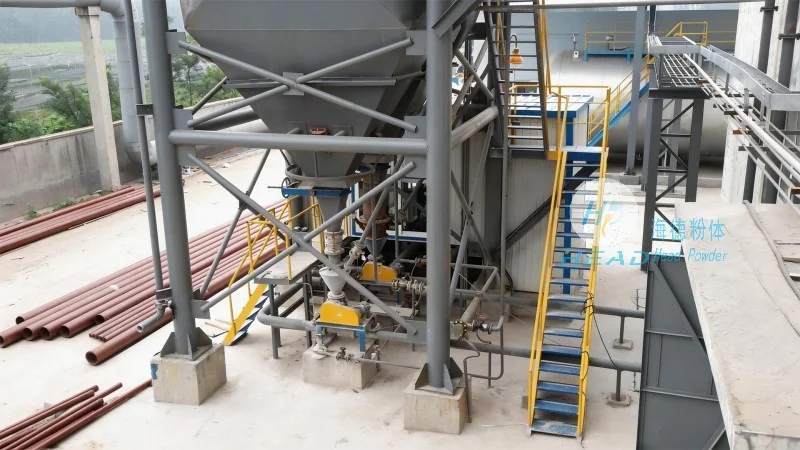
1. Screw Conveyors for Bulk Material Handling
One of the most common and widely used methods for compound fertilizer conveying is the screw conveyor. This equipment consists of a rotating helical screw blade enclosed within a tube or trough, which moves material forward through the system. Screw conveyors are particularly effective for handling dry, granular fertilizers like NPK (nitrogen, phosphorus, potassium) blends. They offer several benefits, including low maintenance requirements, compact design, and the ability to operate in vertical or horizontal configurations. The smooth operation of screw conveyors minimizes material degradation and ensures consistent flow rates, making them ideal for continuous production lines. Additionally, these conveyors can be easily integrated with other processing equipment, such as mixers and packaging machines, enhancing overall operational efficiency.
2. Pneumatic Conveying Systems
Another popular method for compound fertilizer transport is pneumatic conveying, which utilizes air pressure to move material through a pipeline. This technique is especially suitable for handling fine or dusty fertilizers that are prone to caking or clumping. Pneumatic systems can be categorized into two main types: pressure and vacuum. Pressure systems use compressed air to push material through the line, while vacuum systems draw material into the pipeline using a suction mechanism. The choice between these systems depends on the distance and height of the conveying route, as well as the material's characteristics. Pneumatic conveying offers advantages such as high capacity, minimal material loss, and the ability to transport fertilizers over long distances without the need for multiple transfer points. However, it requires careful design to prevent air leakage and ensure consistent air flow, which can impact system efficiency.
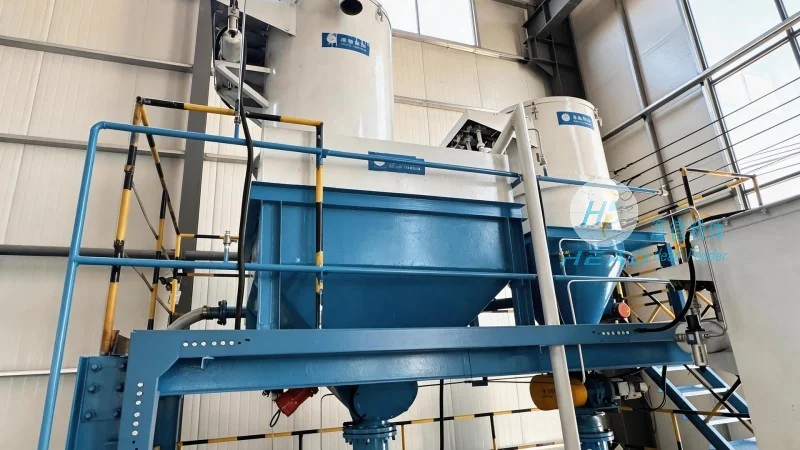
3. Belt Conveyors for Large-Scale Operations
For large-scale agricultural operations, belt conveyors are often preferred for compound fertilizer conveying. These systems use a continuous belt that moves material along a fixed path, typically supported by rollers or idlers. Belt conveyors are capable of handling high volumes of material and are suitable for both horizontal and inclined applications. They are commonly used in fertilizer plants to transport bulk quantities from storage silos to processing units or packaging areas. The design of belt conveyors allows for easy integration with other equipment, such as feeders and weighers, enabling precise control over the material flow rate. Additionally, belt conveyors can be equipped with safety features, such as emergency stop mechanisms and overload protection, to ensure safe and reliable operation. While belt conveyors are effective for large-scale applications, they require regular maintenance to prevent belt wear and ensure proper alignment.
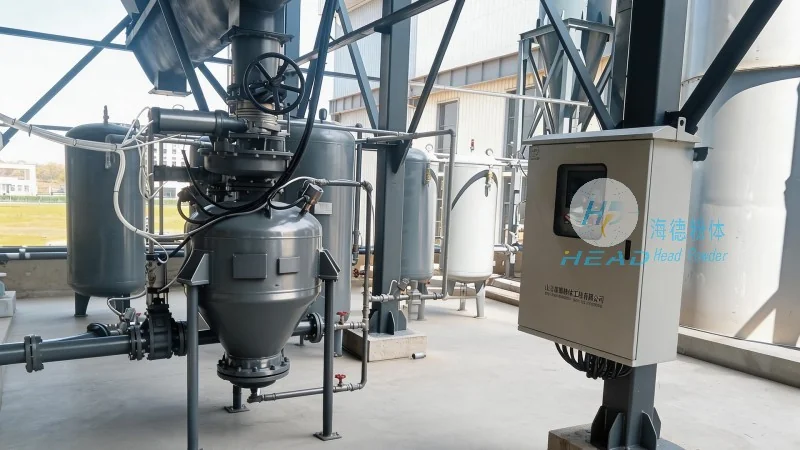
4. Bucket Elevators for Vertical Transport
Vertical transport of compound fertilizers is often achieved using bucket elevators, which are specialized conveyors designed to move material vertically between different levels. These systems consist of a series of buckets attached to a chain or belt, which travels around a head and tail pulley. As the buckets ascend, they scoop up material from a hopper and discharge it into a discharge chute at the top. Bucket elevators are particularly useful in fertilizer production facilities where material needs to be lifted from ground level to elevated storage silos or processing equipment. They offer high capacity and efficient vertical movement, making them ideal for handling large volumes of granular fertilizers. The design of bucket elevators allows for minimal material spillage and ensures consistent flow rates, even under varying load conditions. However, proper maintenance of the bucket chain and pulley system is crucial to prevent breakdowns and ensure long-term reliability.
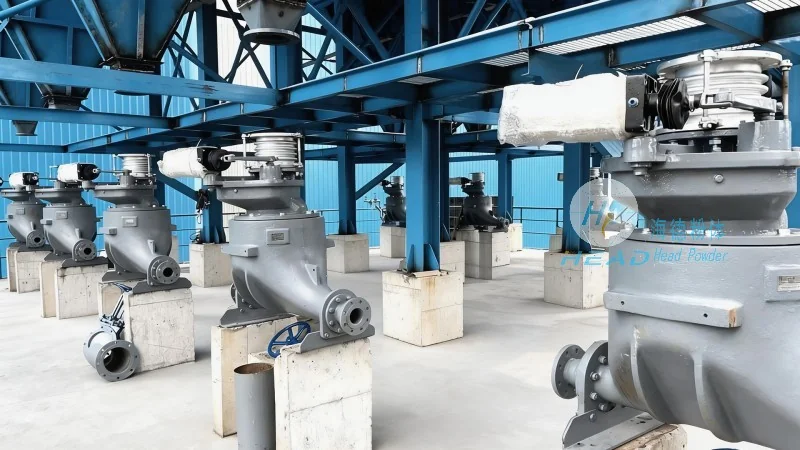
5. Hydraulic Conveying for Specialized Applications
Hydraulic conveying systems are used for specialized applications where traditional methods may not be suitable. These systems utilize hydraulic fluid to transport material through a pipeline, often in conjunction with a pump and valve system. Hydraulic conveying is particularly effective for handling viscous or semi-solid fertilizers, such as those with high moisture content or organic matter. The pressure generated by the hydraulic system ensures that material moves smoothly through the pipeline, minimizing blockages and ensuring consistent flow. While hydraulic conveying offers advantages such as high pressure and precise control, it requires specialized equipment and expertise to operate effectively. It is typically used in niche applications, such as transporting fertilizers with high moisture content or in environments where other methods may not be feasible.
6. Selection Criteria for Choosing the Right Conveying Method
When selecting a compound fertilizer conveying method, several factors must be considered to ensure optimal performance and efficiency. The first consideration is the type of fertilizer being handled, as different materials have varying properties that affect conveying characteristics. For example, granular fertilizers may be better suited for screw or belt conveyors, while fine powders may require pneumatic systems. The second factor is the production scale and throughput requirements, as larger operations may benefit from belt or pneumatic systems, while smaller operations may opt for screw conveyors. The third consideration is the operational environment, including the distance and height of the conveying route, as well as the available space for equipment installation. Additionally, the cost of equipment, maintenance requirements, and energy consumption should be evaluated to ensure the chosen method aligns with the overall budget and operational goals. By carefully assessing these factors, agricultural businesses and manufacturers can select the most appropriate conveying method for their specific needs, ensuring efficient and reliable fertilizer transport.




