

Choosing Positive Pressure or Negative Pressure for Paint Delivery? How to Distinguish Between Them?
When it comes to transporting paint and other liquid coatings efficiently and safely, the choice between positive pressure and negative pressure systems is a critical decision for many industries. Both methods serve distinct purposes and offer unique advantages depending on the application requirements. Understanding the fundamental differences and practical implications of each system is essential for selecting the most suitable solution for your specific needs. This article provides a comprehensive overview of positive and negative pressure paint delivery systems, highlighting key distinctions, typical applications, and factors to consider when making your choice.
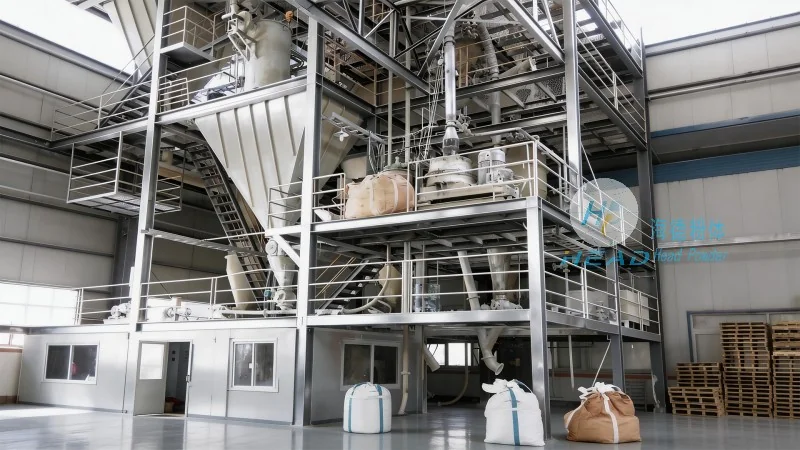
Introduction to Paint Delivery Systems: Positive vs. Negative Pressure
Paint delivery systems are designed to transport liquid coatings from a storage tank to a spray gun or application point. The primary goal is to maintain consistent pressure, temperature, and viscosity to ensure optimal application quality. The two main approaches to achieving this are positive pressure and negative pressure systems. Positive pressure systems operate by pressurizing the paint container, typically a tank or drum. This pressurized environment forces the paint out through a hose and into the spray gun. The pressure is maintained by a regulator that controls the flow rate and ensures consistent delivery. This method is often preferred for high-viscosity paints, such as epoxies or urethanes, as it can handle thicker materials without clogging the system. Additionally, positive pressure systems are generally more robust and less prone to air entrapment, which can affect the paint's consistency.
Understanding the Core Concepts of Positive and Negative Pressure in Paint Delivery
Positive pressure systems use a pump or compressor to pressurize the paint container. This pressurized environment forces the paint out through a hose and into the spray gun. The pressure is maintained by a regulator that controls the flow rate and ensures consistent delivery. This method is often preferred for high-viscosity paints, such as epoxies or urethanes, as it can handle thicker materials without clogging the system. The pressure is maintained by a regulator that controls the flow rate and ensures consistent delivery. This method is often preferred for high-viscosity paints, such as epoxies or urethanes, as it can handle thicker materials without clogging the system. Additionally, positive pressure systems are generally more robust and less prone to air entrapment, which can affect the paint's consistency.
Negative pressure systems, on the other hand, create a vacuum in the paint container by using a pump to remove air from the system. The vacuum draws the paint from the container through a hose and into the spray gun. This approach is particularly effective for low-viscosity paints, such as water-based coatings or thin lacquers, as it can maintain a smooth flow without the need for high pressure. Negative pressure systems are also often more cost-effective and simpler to set up, as they do not require a pressurized tank or complex pressure regulation.
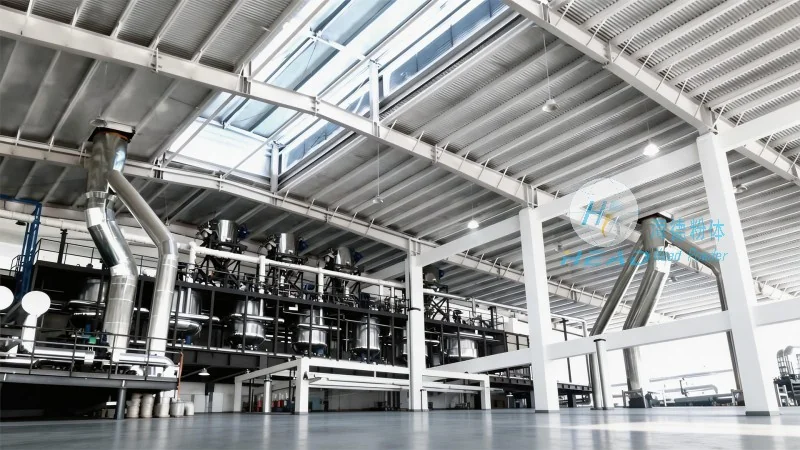
Key Differences Between Positive Pressure and Negative Pressure Systems
Several key differences distinguish positive and negative pressure paint delivery systems. The most significant difference lies in the pressure dynamics: positive pressure systems apply external pressure to the paint, while negative pressure systems rely on suction to draw the paint from the container. This affects the system's ability to handle different paint viscosities, with positive pressure excelling at handling high-viscosity materials and negative pressure being better suited for low-viscosity coatings. Another critical difference is the risk of air entrapment. Positive pressure systems are less likely to introduce air bubbles into the paint, which can cause defects in the finished coating. Negative pressure systems, however, may be more susceptible to air entrapment, especially if the system is not properly maintained or if the paint is too thin.
Cost and maintenance are also important factors to consider. Positive pressure systems typically require more robust components, such as high-pressure pumps and pressure regulators, which can increase initial investment costs. They also demand more frequent maintenance to ensure the system remains leak-free and pressure-stable. Negative pressure systems, while generally less expensive, may require more frequent cleaning to prevent clogging from debris or paint particles. The choice between the two systems often depends on the specific paint properties, application environment, and operational budget.
Practical Applications and Use Cases for Each System
Positive pressure systems are commonly used in industrial applications where high-viscosity paints are applied, such as in automotive refinishing, industrial coating, and heavy-duty manufacturing. For example, in automotive paint booths, positive pressure systems are used to apply epoxy primers and topcoats, which require consistent pressure to ensure proper adhesion and finish. In industrial coating facilities, these systems are essential for applying protective coatings to metal surfaces, where the high viscosity of the paint must be maintained to achieve a uniform layer.
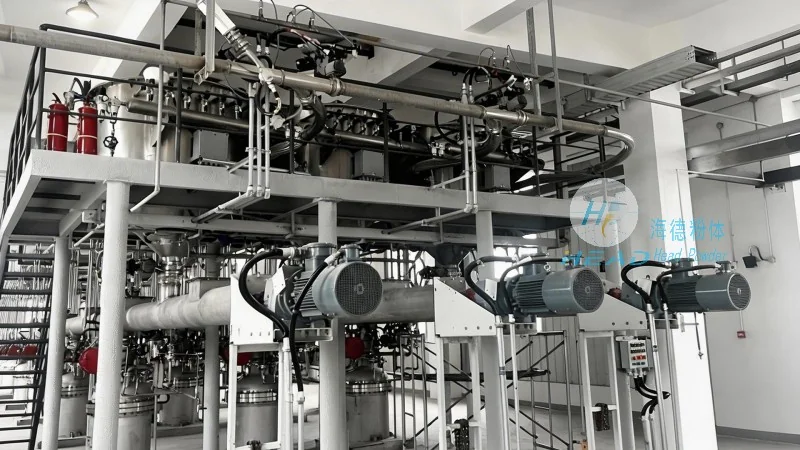
Negative pressure systems are widely used in applications involving low-viscosity paints, such as in the furniture industry, where water-based lacquers are applied to wooden surfaces. These systems are also suitable for artistic applications, such as in fine art painting, where thin, water-based paints are used. Additionally, negative pressure systems are often employed in spray painting for decorative purposes, where the smooth flow of the paint is crucial for achieving a professional finish.
How to Choose the Right System for Your Specific Needs
Selecting between positive and negative pressure paint delivery systems involves evaluating several factors, including the paint's viscosity, the application method, and the operational environment. First, consider the paint's viscosity. If the paint is thick and high-viscosity, a positive pressure system is likely the better choice due to its ability to maintain consistent pressure and prevent clogging. Conversely, if the paint is thin and low-viscosity, a negative pressure system may be more appropriate to ensure smooth flow and avoid air entrapment.
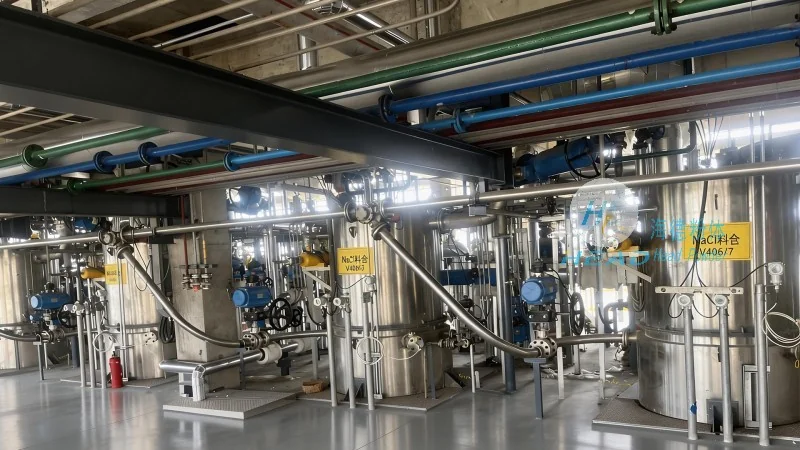
Next, assess the application method. Positive pressure systems are ideal for spray guns that require high pressure to atomize the paint effectively, such as airless spray guns. Negative pressure systems are better suited for traditional spray guns that rely on suction to draw the paint, as they can maintain a consistent flow without the need for high pressure. Additionally, consider the environment where the system will be used. Positive pressure systems are more suitable for industrial settings with high ambient temperatures or where the paint needs to be protected from contamination. Negative pressure systems are often preferred in cleanroom environments or where the paint is sensitive to air exposure.
Finally, evaluate the cost and maintenance requirements. Positive pressure systems may have higher initial costs but lower maintenance in the long run due to their robust design. Negative pressure systems are generally less expensive but may require more frequent cleaning and maintenance to prevent clogging. By carefully weighing these factors, you can determine which system best meets your operational needs and budget constraints.
About HeadPowder Engineering Co., Ltd.
HeadPowder Engineering Co., Ltd., a leading manufacturer based in Shandong, China, specializes in providing high-quality paint delivery systems and related equipment. With years of experience in the industry, HeadPowder has developed innovative solutions to meet the diverse needs of various sectors, including automotive, industrial coating, and decorative painting. The company's commitment to quality and customer satisfaction has made it a trusted partner for businesses seeking reliable and efficient paint delivery solutions. HeadPowder's products are designed to enhance productivity, reduce waste, and ensure consistent application quality, helping clients achieve their operational goals with minimal downtime and maximum efficiency.