

Choosing Between Positive Pressure and Negative Pressure for Polyolefin Transport: How to Distinguis
When selecting the appropriate transport method for polyolefin materials, understanding the differences between positive pressure and negative pressure systems is crucial. These two approaches represent distinct methodologies for moving polyolefin products, each with its own set of advantages and applications. This article aims to clarify the distinctions between positive pressure and negative pressure transport for polyolefin materials, providing insights into how to make an informed decision based on specific operational needs.
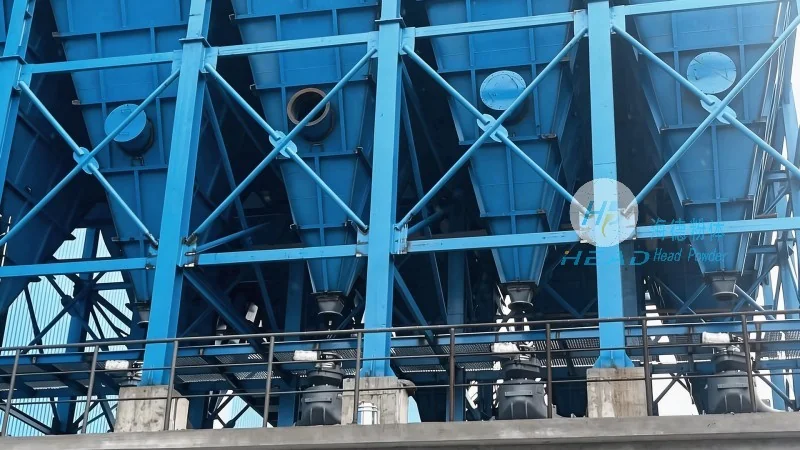
Understanding Positive Pressure Transport for Polyolefins
Positive pressure transport systems operate by using compressed air or gas to force polyolefin materials through a pipeline or conveyor system. This method ensures a continuous flow of material, preventing backflow and maintaining a consistent pressure level throughout the transport process. The primary advantage of positive pressure is its ability to handle materials that are prone to static electricity or dust accumulation, as the pressurized environment helps to control these issues. Additionally, positive pressure systems are often more suitable for long-distance transport or when transporting materials that require airtight containment to prevent contamination or loss.
For instance, in applications involving the transport of polyolefin pellets or powders, positive pressure can effectively prevent material degradation caused by exposure to air or moisture. The pressurized environment also minimizes the risk of material clogging in the transport lines, as the force of the air or gas helps to keep the material moving smoothly. Companies like Shandong HeadPowder Engineering Co., Ltd. specialize in designing and implementing positive pressure transport solutions tailored to the unique requirements of polyolefin processing facilities. Their expertise ensures that the systems are optimized for efficiency, reliability, and safety, meeting the stringent standards of the polyolefin industry.
Differentiating Negative Pressure Transport for Polyolefins
Negative pressure transport, also known as vacuum transport, utilizes a vacuum to draw polyolefin materials into a system. This method is particularly effective for short-distance transport or when dealing with materials that are lightweight and easily suspended in the air. The primary benefit of negative pressure is its energy efficiency, as it requires less power compared to positive pressure systems. Additionally, negative pressure can be advantageous when transporting materials that are sensitive to pressure changes or when the environment is already pressurized, as it avoids the need to introduce additional air or gas.
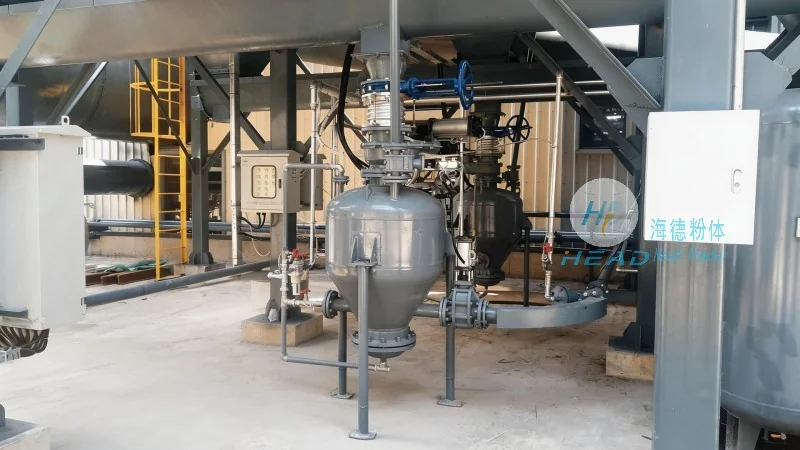
In many cases, negative pressure transport is used for handling polyolefin powders or granules that are lightweight and can be easily drawn into the system without the need for high-pressure forces. The vacuum created helps to maintain a consistent flow rate, ensuring that the material is transported efficiently without excessive energy consumption. However, negative pressure systems may be less effective for materials that are prone to clogging or that require airtight containment, as the lower pressure can lead to material settling or blockages in the lines. Shandong HeadPowder Engineering Co., Ltd. also offers negative pressure transport solutions, providing clients with flexible options that cater to a wide range of polyolefin handling applications.
Key Factors to Consider When Choosing Between Positive and Negative Pressure
When deciding between positive pressure and negative pressure transport for polyolefin materials, several key factors must be evaluated. The first consideration is the distance over which the material needs to be transported. Long-distance transport typically requires positive pressure systems due to their ability to maintain consistent flow and pressure over extended distances. Short-distance transport, on the other hand, may be more suitable for negative pressure systems, as they are more energy-efficient and easier to implement for shorter routes.
Another critical factor is the nature of the polyolefin material being transported. Materials that are prone to static electricity or dust accumulation may benefit from positive pressure systems, as the pressurized environment helps to control these issues and prevent material degradation. Conversely, lightweight materials that are easily suspended in the air may be better suited for negative pressure transport, as the vacuum can effectively draw the material into the system without the need for high-pressure forces.
The environmental conditions of the transport process also play a significant role in the choice of system. For example, if the transport occurs in an environment with high humidity or exposure to contaminants, positive pressure systems may be preferred to maintain airtight containment and prevent material contamination. In contrast, negative pressure systems may be more appropriate for cleanroom environments or when the material is already in a controlled atmosphere.
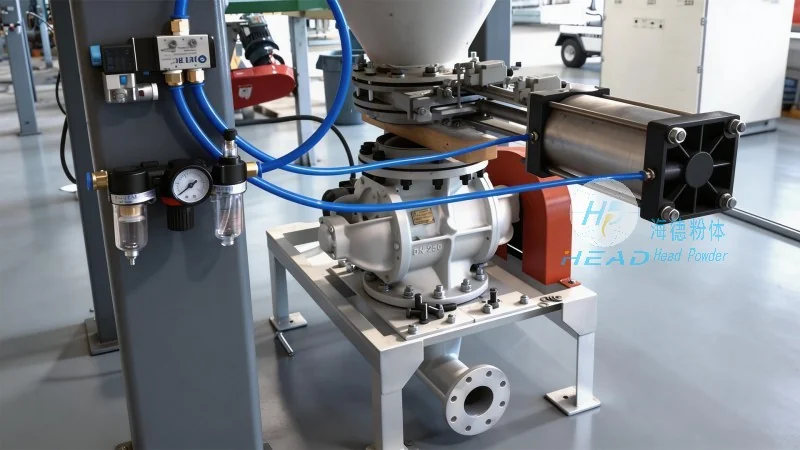
Additionally, the operational requirements of the facility, such as available power and maintenance capabilities, should be considered. Positive pressure systems generally require more power and may have higher maintenance costs due to the need for compressed air or gas systems. Negative pressure systems, while more energy-efficient, may require more frequent maintenance to ensure the vacuum system remains effective. Shandong HeadPowder Engineering Co., Ltd. assists clients in evaluating these factors and selecting the most appropriate transport method, ensuring that the chosen system aligns with the specific needs of their polyolefin processing operations.
Conclusion: Making the Right Choice for Polyolefin Transport
Choosing between positive pressure and negative pressure transport for polyolefin materials requires a thorough understanding of the operational requirements and the characteristics of the material being handled. Positive pressure systems offer robustness and reliability for long-distance transport and materials prone to static or contamination, while negative pressure systems provide energy efficiency and simplicity for short-distance or lightweight materials. By considering factors such as transport distance, material properties, environmental conditions, and operational needs, companies can make an informed decision that optimizes their polyolefin transport processes.
Shandong HeadPowder Engineering Co., Ltd. is a leading provider of polyolefin transport solutions, offering both positive and negative pressure systems tailored to the unique demands of the industry. Their expertise in designing and implementing these systems ensures that clients receive efficient, reliable, and cost-effective transport solutions that enhance their overall operational performance. Whether a company requires positive pressure for long-distance polyolefin transport or negative pressure for short-distance handling, HeadPowder provides the necessary support and technology to meet their needs.