Wheat flour material handling systems are essential components in the food processing industry, particularly for businesses involved in flour production and distribution. These systems are designed to efficiently transport wheat flour from storage silos or processing units to packaging lines or other processing stages. The effectiveness of such systems directly impacts production efficiency, product quality, and operational costs. This article will explore the working principles and key features of modern wheat flour material handling equipment, highlighting how they contribute to streamlined operations in flour mills and related facilities.
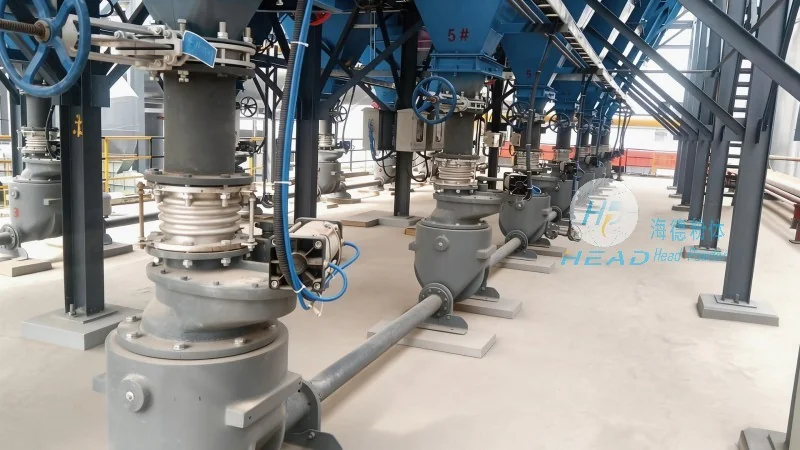
Company Overview: Shandong HeadPowder Engineering Co., Ltd.
HeadPowder, a leading manufacturer of industrial material handling solutions, specializes in designing and manufacturing equipment tailored for the flour and grain processing sectors. With a strong presence in China, particularly in Shandong province, the company has built a reputation for delivering high-quality, reliable systems that meet the specific needs of flour mills. The company’s commitment to innovation and customer satisfaction has enabled it to serve a wide range of clients, from small-scale bakeries to large-scale flour production facilities. HeadPowder’s expertise lies in understanding the unique challenges of wheat flour handling, such as dust control, moisture management, and material flow optimization.
Working Principle of Wheat Flour Material Handling Systems
The core of a wheat flour material handling system is its ability to move bulk materials in a controlled and efficient manner. Typically, these systems utilize a combination of mechanical components, including conveyors, elevators, and pneumatic systems, to transport flour. The working principle involves several key steps: first, the flour is collected from storage bins or silos; second, it is conveyed through a network of pipes or belts to the processing or packaging area; third, the system ensures minimal product degradation, such as by controlling air flow and temperature. Mechanical conveyors, like belt conveyors or screw conveyors, are commonly used for horizontal or slight incline transport, while bucket elevators and pneumatic conveyors handle vertical or long-distance transport. The system’s design is tailored to the specific characteristics of wheat flour, such as its fine particle size and potential for dust generation, ensuring that the material is handled gently to maintain quality.
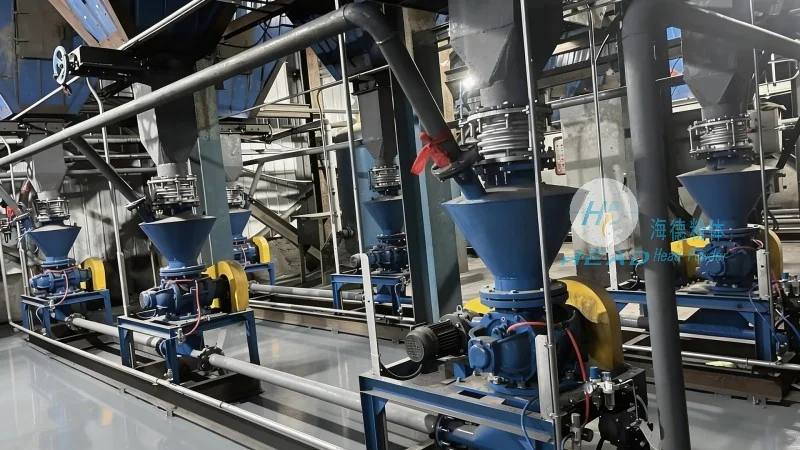
Key Features of Wheat Flour Material Handling Equipment
Modern wheat flour material handling systems are equipped with several advanced features that enhance performance and operational efficiency. One of the most critical features is dust control. Since wheat flour is highly susceptible to dust accumulation, which can lead to safety hazards and product contamination, systems often incorporate dust suppression mechanisms, such as sealed enclosures and air filtration systems. Another important feature is the ability to handle varying material flow rates. This is achieved through adjustable speed controls and variable capacity conveyors, allowing the system to adapt to changes in production demand. Additionally, many systems include monitoring and control systems that provide real-time data on material flow, temperature, and pressure, enabling operators to quickly identify and address any issues. The materials used in the construction of these systems are also a key feature, as they must be non-corrosive, easy to clean, and resistant to the effects of flour and moisture. Stainless steel and food-grade plastics are commonly used to ensure durability and compliance with food safety regulations.
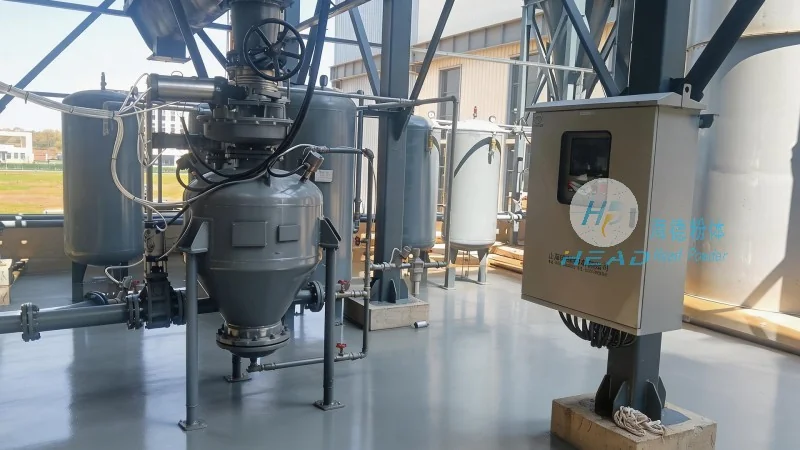
Benefits of Using Advanced Wheat Flour Material Handling Systems
Implementing a well-designed wheat flour material handling system offers numerous benefits for flour mills and processing facilities. Firstly, it significantly improves production efficiency by reducing the time and labor required for material transport. Automated systems can operate continuously, minimizing downtime and maximizing output. Secondly, these systems enhance product quality by minimizing product degradation and contamination. The gentle handling and dust control features ensure that the flour remains in optimal condition, which is crucial for maintaining the quality of final products like bread, pastries, and other baked goods. Thirdly, advanced material handling systems contribute to cost savings. By optimizing material flow and reducing waste, facilities can lower operational costs and improve overall profitability. Additionally, the use of energy-efficient components and smart control systems helps reduce energy consumption, further contributing to cost savings and environmental sustainability. The reliability of these systems also reduces maintenance costs and downtime, as modern designs are built to withstand the harsh conditions of flour processing.
Conclusion
Wheat flour material handling systems are indispensable for modern flour mills, providing efficient, reliable, and safe transport of bulk materials. The working principles and advanced features of these systems, such as dust control, adjustable flow rates, and real-time monitoring, ensure that flour is handled with the utmost care, maintaining its quality and extending its shelf life. Companies like Shandong HeadPowder Engineering Co., Ltd. play a vital role in providing these solutions, leveraging their expertise to meet the evolving needs of the flour processing industry. By investing in advanced material handling systems, flour mills can enhance their operational efficiency, improve product quality, and achieve long-term success in a competitive market.




