Aluminum chip conveying is a critical process in various industrial applications, particularly in metalworking and manufacturing where aluminum is processed. Efficient and reliable chip removal and transport systems are essential to maintain production efficiency, prevent equipment damage, and ensure worker safety. Understanding the common methods used for aluminum chip conveying can help industries select the most suitable solution for their specific needs. This article explores several prevalent approaches, highlighting their mechanisms, advantages, and typical applications.
Gravity Conveying Systems
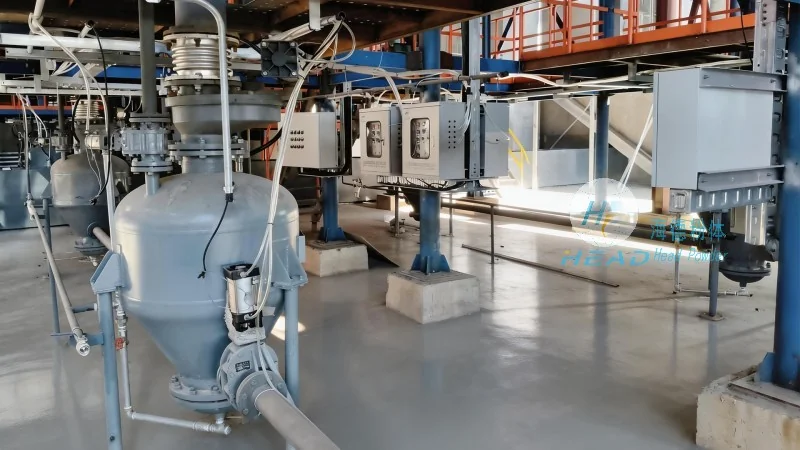
Gravity conveying systems utilize the natural force of gravity to move aluminum chips from one location to another. These systems typically consist of inclined chutes or troughs that allow chips to slide down due to their weight. The design of gravity conveyors often includes smooth, non-stick surfaces to minimize friction and ensure consistent flow. For aluminum chips, which can be lightweight and irregularly shaped, gravity conveyors are particularly effective when the vertical or horizontal distance between the chip source and the collection point is relatively short. They are commonly used in operations where the chip load is moderate and the layout allows for a natural slope. The simplicity of gravity systems makes them a cost-effective option, though they may not be suitable for long distances or when chips need to be transported against gravity.
Mechanical Conveying: Belt and Screw Conveyors
Mechanical conveyors, such as belt and screw conveyors, are widely used for aluminum chip handling due to their versatility and ability to transport chips over longer distances. Belt conveyors use a continuous belt looped over rollers to move chips along a path. The belt material is often chosen for its resistance to abrasion and chemical resistance, which is crucial when handling aluminum chips that can be abrasive and may come into contact with oils or coolants. Screw conveyors, on the other hand, employ a rotating screw (auger) inside a tube to push chips forward. This method is particularly effective for vertical or inclined transport, as the screw can lift and move chips against gravity. Both types of mechanical conveyors are robust and can handle a wide range of chip sizes and volumes. They are commonly integrated into production lines where chips need to be transported from machining centers to collection bins or recycling facilities. The reliability of mechanical systems makes them a preferred choice for many manufacturers, though they require regular maintenance to ensure optimal performance.
Air-Driven (Pneumatic) Conveying
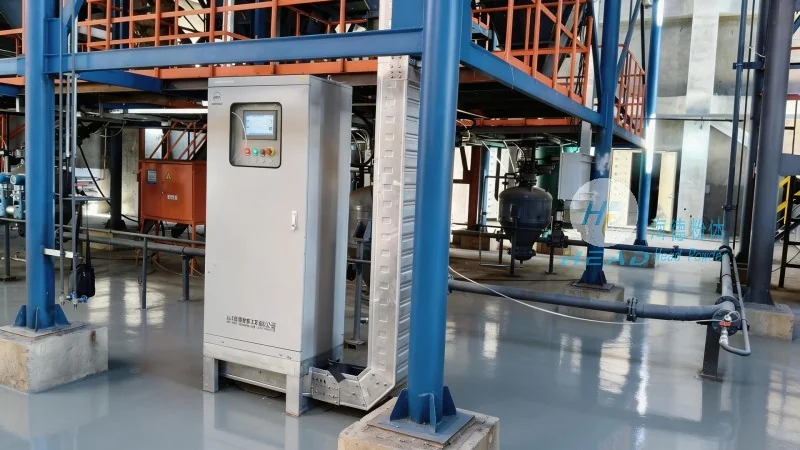
Air-driven or pneumatic conveying systems use compressed air to transport aluminum chips through a network of pipes. These systems are particularly effective for handling fine or lightweight aluminum chips that might be difficult to move with gravity or mechanical methods. There are two main types of pneumatic conveyors: dilute-phase and dense-phase. Dilute-phase systems use high-velocity air to suspend chips in the air stream, allowing them to travel through the pipe. This method is suitable for short to medium distances and for chips that are not too abrasive. Dense-phase systems, on the other hand, use lower air velocities and higher chip concentrations, which reduces wear on the system and allows for longer transport distances. Pneumatic conveying offers advantages such as the ability to transport chips in a closed system, preventing dust and debris from spreading, and the flexibility to route chips to multiple destinations. However, it requires a reliable compressed air supply and can be more energy-intensive compared to other methods. For aluminum chip applications, especially in environments where dust control is critical, pneumatic systems are often preferred.
Hybrid Conveying Solutions
In many industrial settings, a single conveying method may not be sufficient to meet all the requirements of aluminum chip handling. Hybrid systems combine elements of gravity, mechanical, and pneumatic conveyors to create a more comprehensive solution. For example, a hybrid system might use a gravity chute to transport chips from a machining center to a collection bin, followed by a screw conveyor to move the chips up to a higher level, and then a pneumatic conveyor to transport them to a recycling facility. This approach allows for the efficient handling of chips over varying distances and elevations while leveraging the strengths of each individual method. Hybrid systems are often customized to fit the specific layout and production needs of a facility, making them a flexible and effective solution for complex chip conveying challenges. They are particularly useful in large-scale manufacturing operations where multiple machining centers and processing stages are involved.
Considerations for Choosing the Right Aluminum Chip Conveying Method
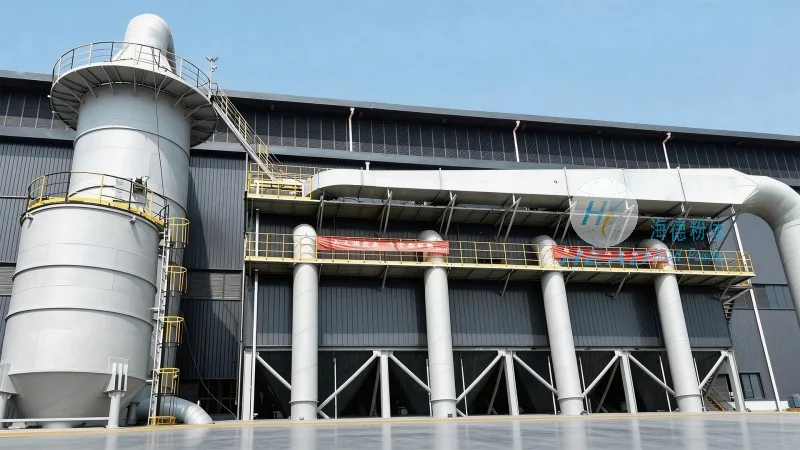
When selecting an aluminum chip conveying method, several factors must be considered to ensure optimal performance and cost-effectiveness. The first consideration is the distance and elevation changes between the chip source and the collection point. Short horizontal or vertical distances may be suitable for gravity systems, while longer distances or complex layouts may require mechanical or pneumatic solutions. The volume and size of the aluminum chips are also critical. Fine or small chips may be better suited for pneumatic systems, whereas larger or bulkier chips may benefit from mechanical conveyors. The environment and safety requirements of the facility are another important factor. For example, in environments where dust control is a priority, pneumatic systems are preferable. Additionally, the cost of installation, operation, and maintenance should be evaluated. Gravity systems are generally the most economical, while pneumatic systems may have higher initial costs but lower maintenance requirements. The specific application and production volume also play a role, as high-volume operations may require more robust and efficient conveying systems.
Conclusion
Aluminum chip conveying is a vital aspect of industrial metalworking, and the choice of conveying method depends on a variety of factors including distance, chip characteristics, and operational requirements. Gravity, mechanical, and pneumatic systems each offer unique advantages and are suitable for different scenarios. By understanding the mechanisms and applications of these common methods, manufacturers can select the most appropriate solution to enhance their production efficiency and maintain a safe working environment. For companies seeking reliable and efficient aluminum chip conveying solutions, Shandong HeadPowder Engineering Co., Ltd., a leading provider in the industry, offers a range of customized systems tailored to meet diverse industrial needs. With a focus on quality and innovation, HeadPowder provides solutions that optimize chip handling processes and contribute to overall operational success.




