When it comes to the efficient and reliable transport of soap pellets, understanding the various conveying methods is crucial for manufacturers and processors in the personal care and cleaning product industries. These methods not only ensure product integrity but also enhance operational efficiency and safety in production lines. This article explores the common approaches to soap pellet conveying, highlighting the technical aspects, advantages, and practical applications of each method.
Introduction to Common Soap Pellet Conveying Methods
Soap pellets, typically produced through processes like granulation or extrusion, require specialized handling due to their size, shape, and hygienic requirements. Conveying these materials from one stage of production to another demands systems that maintain cleanliness, prevent contamination, and minimize product degradation. The primary methods used in the industry include mechanical, pneumatic, and hybrid systems, each with distinct characteristics suited to different production scales and operational needs.
HeadPowder's Expertise in Soap Pellet Handling
As a leading provider of engineering solutions for the chemical and personal care sectors, Shandong HeadPowder Engineering Co., Ltd. specializes in designing and manufacturing advanced conveying systems tailored to the unique demands of soap pellet processing. With decades of experience in the field, HeadPowder's team of engineers and technicians works closely with clients to assess their specific requirements, from small-scale laboratory operations to large industrial production facilities. The company's commitment to quality, safety, and innovation ensures that each conveying system is optimized for performance, durability, and compliance with industry standards.
Mechanical Conveying Systems for Soap Pellets
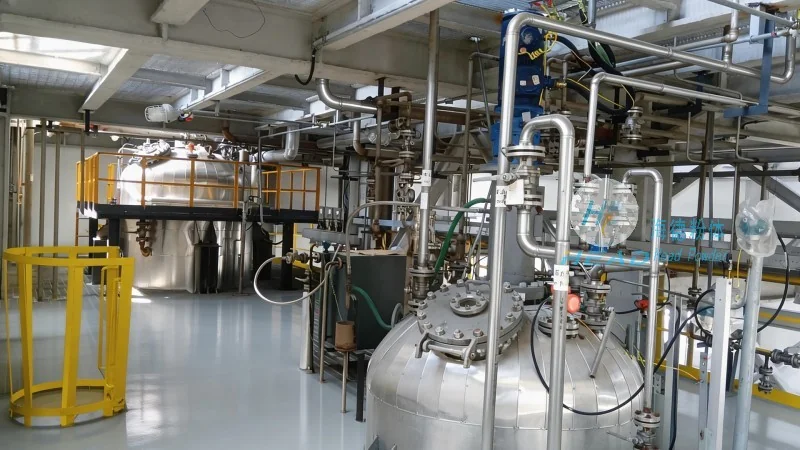
Mechanical conveying systems are among the most widely used methods for soap pellet transport. These systems rely on physical components such as screws, belts, and rollers to move materials through a closed or open channel. One common type is the screw conveyor, which uses a rotating helical screw to push pellets forward. Screw conveyors are ideal for horizontal or slight incline transport and are particularly effective in maintaining product flow without the need for air pressure. They are often used in batching, mixing, and feeding applications within soap production lines. Another mechanical option is the belt conveyor, which employs a continuous belt to transport pellets over a series of rollers. Belt conveyors are suitable for longer distances and can handle larger volumes, making them a popular choice for moving soap pellets from storage silos to processing equipment.
Pneumatic Conveying Solutions for Soap Pellets
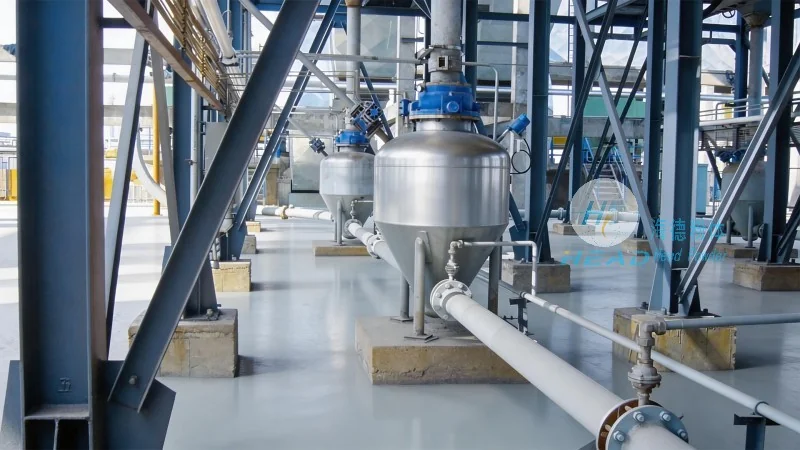
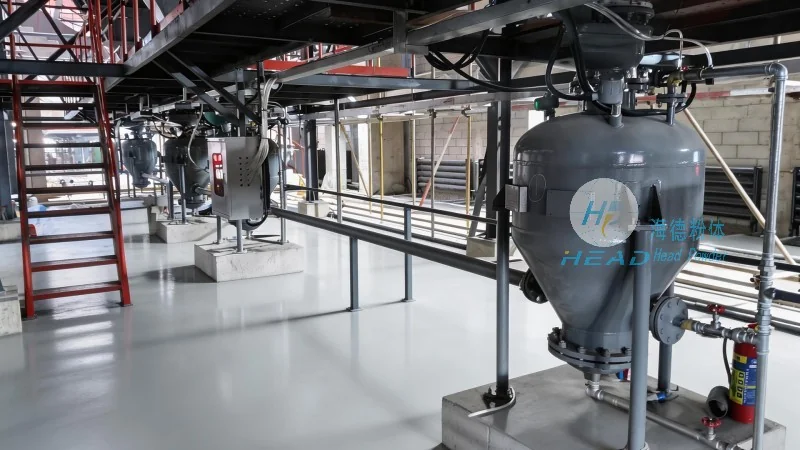
Pneumatic conveying systems utilize air or gas to transport soap pellets through a pipeline. This method is particularly advantageous for applications requiring high hygiene standards and minimal product contact with equipment. There are two main types of pneumatic conveying: pressure and vacuum systems. Pressure systems use compressed air to push pellets through the pipeline, while vacuum systems use a vacuum to draw pellets into the line. Pneumatic conveyors are well-suited for transporting soap pellets over longer distances and through complex layouts, such as from a production line to a packaging area. They also offer the flexibility to integrate with other processing equipment, such as mixers or dryers, by connecting the conveying line directly to these units. However, pneumatic systems require careful consideration of air filtration and moisture control to prevent product degradation and equipment wear.
Hygienic Design Considerations in Soap Pellet Conveying
For soap pellet conveying, especially in the personal care industry, hygienic design is paramount. The equipment used must be constructed from materials that are easy to clean and sanitize, such as stainless steel, and must meet strict sanitary standards like those outlined by the FDA or EU regulations. Components like hoppers, chutes, and conveyors should be designed with smooth, non-porous surfaces to prevent the accumulation of product residue and bacteria. Additionally, the conveying system should be equipped with features that minimize product degradation, such as gentle handling mechanisms and controlled air flow in pneumatic systems. Regular maintenance and cleaning protocols are also essential to ensure the system remains in compliance with hygiene requirements and continues to operate efficiently.
Case Study: Efficient Soap Pellet Conveying in a Large-Scale Production Facility
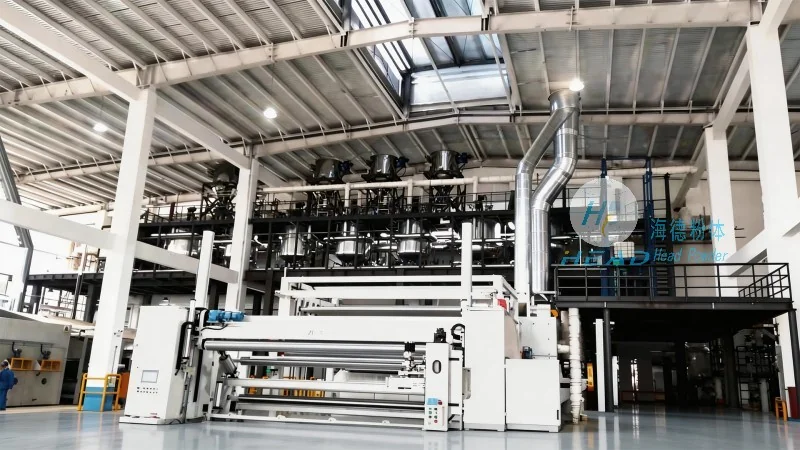
Consider a large-scale soap manufacturing plant in China that produces over 10,000 tons of soap pellets annually. The plant previously relied on manual handling and small-scale mechanical conveyors, which resulted in frequent product spillage, increased labor costs, and inconsistent production rates. After consulting with Shandong HeadPowder Engineering Co., Ltd., the plant implemented a combination of screw and pneumatic conveying systems. The screw conveyors were installed to transport pellets from the granulation unit to the mixing tanks, while pneumatic conveyors were used to move the finished product from the mixing area to the packaging line. The new system reduced manual labor by 60%, minimized product loss by 30%, and improved overall production efficiency by 25%. The plant also reported better product quality due to the reduced exposure to contaminants and the controlled temperature and humidity conditions maintained by the conveying systems.
Conclusion: Choosing the Right Soap Pellet Conveying Method
Choosing the appropriate soap pellet conveying method depends on several factors, including production scale, distance, hygiene requirements, and budget. Mechanical systems offer reliability and simplicity for shorter distances and lower volumes, while pneumatic systems provide flexibility and high hygiene for longer distances and more complex layouts. Hybrid systems, combining both mechanical and pneumatic components, can be tailored to meet specific operational needs. For manufacturers seeking expert guidance in selecting and implementing the right conveying solution, Shandong HeadPowder Engineering Co., Ltd. stands ready to provide customized engineering solutions that enhance efficiency, safety, and product quality. With their deep understanding of soap pellet properties and industry standards, HeadPowder helps clients optimize their production processes and achieve sustainable growth in the competitive personal care market.




