

Positive Pressure and Negative Pressure Conveying of Cement Dry Ash: A Comparative Analysis of Two P
Cement dry ash is a vital component in the construction sector, and the efficient transportation of this material directly impacts production efficiency and operational reliability. Pneumatic conveying systems have become a preferred method for handling cement dry ash due to their ability to transport fine powders while minimizing dust emissions. Two primary pneumatic conveying approaches are widely utilized: positive pressure conveying and negative pressure conveying. This article provides a comprehensive comparison of these two methods, detailing their operational principles, application scenarios, advantages, and limitations, with a focus on practical considerations for selecting the most suitable system for cement dry ash transportation.
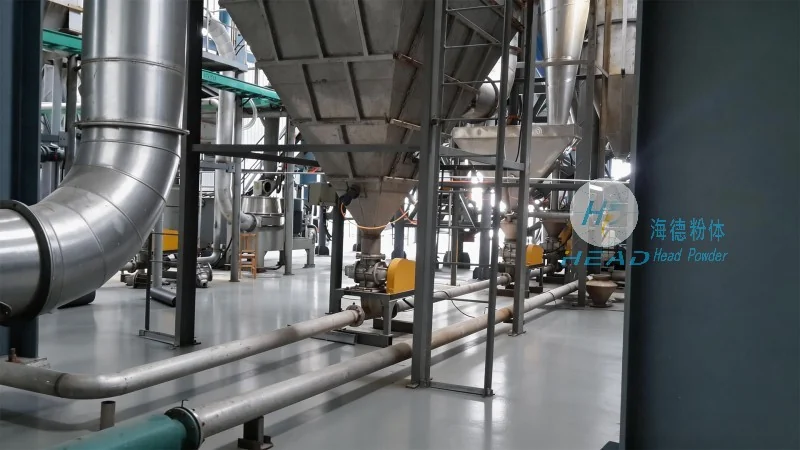
Positive Pressure Conveying: Working Principle and Application
Positive pressure conveying, also known as pressure pneumatic conveying, operates by introducing material into a pressurized air stream within the conveying line. The high-pressure air propels the material from the source to the destination. This method is typically employed for short to medium-distance conveying and is well-suited for materials that are prone to caking or have a high moisture content. The system is generally more compact and easier to install compared to negative pressure systems. However, it may require higher energy input and may face challenges with pressure drop and material segregation over longer distances.
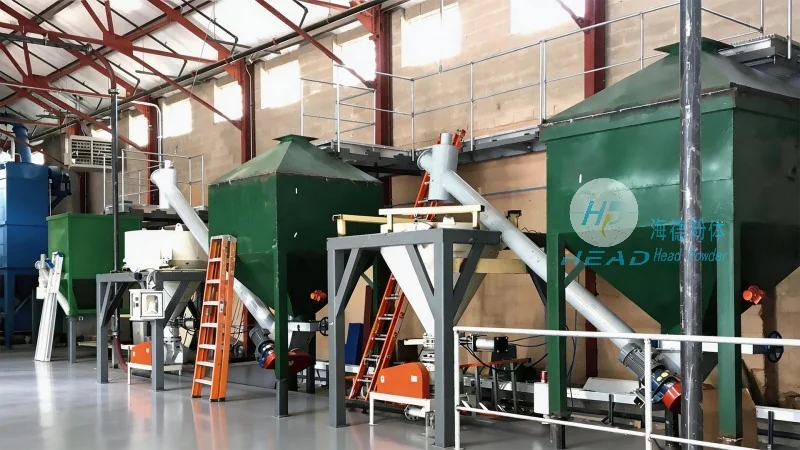
Negative Pressure Conveying: Working Principle and Application
Negative pressure conveying, or suction pneumatic conveying, functions by creating a vacuum in the conveying line to draw material from the source to the destination. The material is drawn into the system through the inlet, where it mixes with the air stream. The vacuum is maintained by a fan or blower at the discharge end. This approach is ideal for long-distance conveying and is particularly effective for handling materials that are sensitive to pressure or have a low density. Negative pressure systems often exhibit higher energy efficiency for extended distances and can manage larger material volumes. Nevertheless, they may be more complex to design and maintain, and the risk of dust leakage is higher due to the vacuum environment.
Comparative Analysis: Key Differences and Selection Criteria
When evaluating positive versus negative pressure conveying for cement dry ash, several factors must guide the decision. The primary distinction lies in the pressure differential: positive pressure systems use pressure to push material, while negative pressure systems use suction to pull material. This impacts energy consumption, as positive pressure systems typically require more energy to sustain pressure, whereas negative pressure systems may be more efficient for long distances. The conveying distance is a critical factor; positive pressure systems are better suited for shorter distances (generally up to a few hundred meters), while negative pressure systems are more appropriate for longer distances (up to several kilometers). Material characteristics, such as particle size, moisture content, and tendency to agglomerate, also influence the choice. For instance, if the cement dry ash has a high moisture content or is prone to caking, positive pressure systems may be preferred due to their ability to handle these challenges. Conversely, if the material is fine and requires long-distance transport without segregation, negative pressure systems may be more suitable.
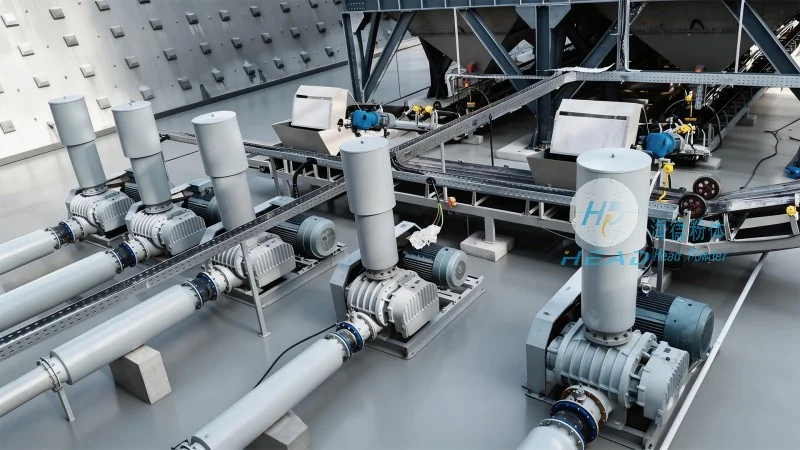
HeadPowder's Expertise in Pneumatic Conveying Solutions
Shandong HeadPowder Engineering Co., Ltd., a leading provider of pneumatic conveying solutions, specializes in designing and manufacturing customized systems for cement dry ash transportation. With a strong operational base in China, the company has extensive experience in the cement industry and understands the unique challenges of handling cement dry ash. HeadPowder's engineers leverage advanced technology and engineering expertise to develop systems that optimize performance, reduce energy consumption, and ensure reliable operation. The company's solutions are tailored to meet the specific requirements of each project, whether it involves positive pressure, negative pressure, or a hybrid approach. By incorporating the latest advancements in material handling technology, HeadPowder ensures that its systems are efficient, durable, and compliant with industry standards. The company's commitment to quality and customer satisfaction has established it as a trusted partner for many cement manufacturers and processing facilities in China.