When it comes to transporting cotton seed efficiently and reliably, pneumatic conveying systems offer a range of solutions. Two primary methods dominate the industry: positive pressure conveying and negative pressure conveying. Understanding the differences between these two approaches is crucial for selecting the most suitable system for specific operational needs. This analysis provides a detailed comparison of both methods, highlighting their technical characteristics, advantages, and potential applications in cotton seed processing and handling.
Positive Pressure Conveying: Working Principle and Key Features
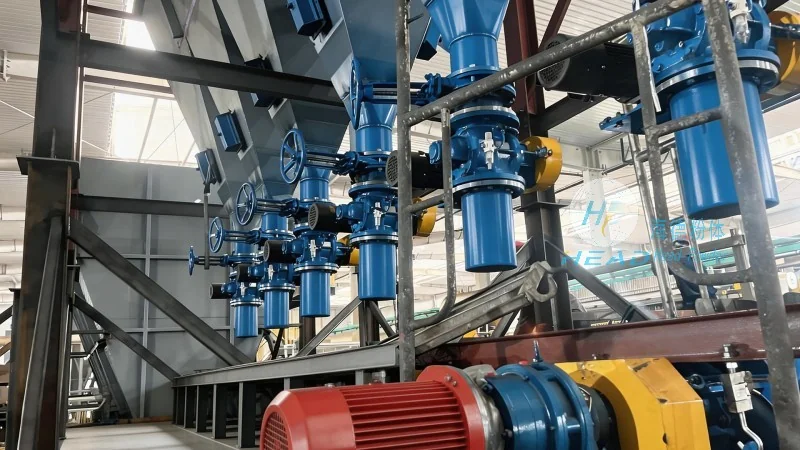
Positive pressure conveying operates by blowing air or a carrier gas into the material to be transported. The system generates pressure within the conveying line, forcing the material to move from the inlet to the outlet. This method is often referred to as "blow" or "pressure" conveying. The key components of a positive pressure system typically include a blower, a hopper for material storage, a conveying line, and a discharge point. The pressure created by the blower ensures that the material is propelled through the system, overcoming resistance and maintaining flow consistency.
One of the main advantages of positive pressure conveying is its ability to handle a wide variety of materials, including those with high moisture content or abrasive properties. The high pressure also allows for longer conveying distances and can accommodate more complex system layouts, such as multiple inlets or outlets. However, this method may require more robust equipment to withstand the higher pressures and can be less energy-efficient compared to negative pressure systems in certain scenarios.
Negative Pressure Conveying: Operational Mechanics and Advantages
Negative pressure conveying, also known as "suction" or "vacuum" conveying, works by creating a vacuum in the conveying line. The system draws material from the source into the line using the vacuum, which then transports it to the discharge point. Unlike positive pressure systems, negative pressure systems do not generate internal pressure but rely on the suction force to move material.
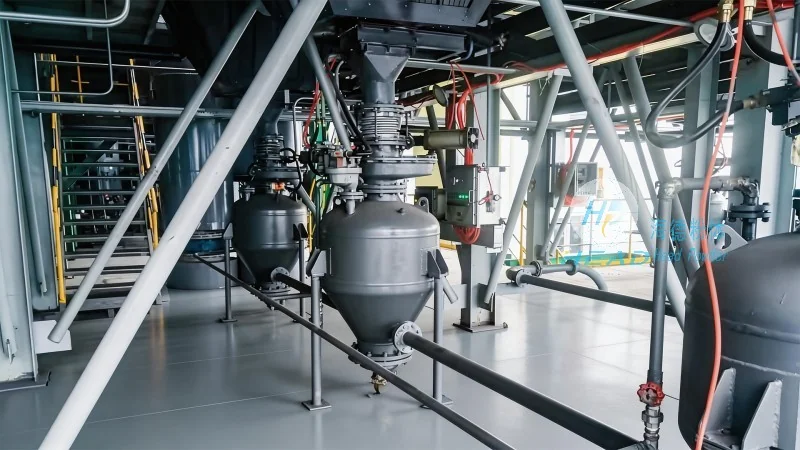
This method is particularly effective for handling materials that are light or have a tendency to generate dust, as the vacuum helps to control particulate emissions and maintain a cleaner working environment. Negative pressure systems are often more energy-efficient for shorter conveying distances and can be simpler to install and maintain. However, they may have limitations in terms of conveying distance and material capacity, especially for heavy or dense materials like cotton seed.
Comparative Analysis: Key Differences and Performance Metrics
When comparing positive and negative pressure conveying for cotton seed, several factors come into play. The choice between the two methods often depends on the specific requirements of the application, such as the distance to be covered, the material characteristics, and the desired system efficiency. Positive pressure systems generally offer greater flexibility in terms of conveying distance and material handling, making them suitable for larger-scale operations or when dealing with bulk quantities of cotton seed. Negative pressure systems, on the other hand, excel in applications where dust control and energy efficiency are paramount, such as in smaller processing facilities or when handling materials with high dust generation.
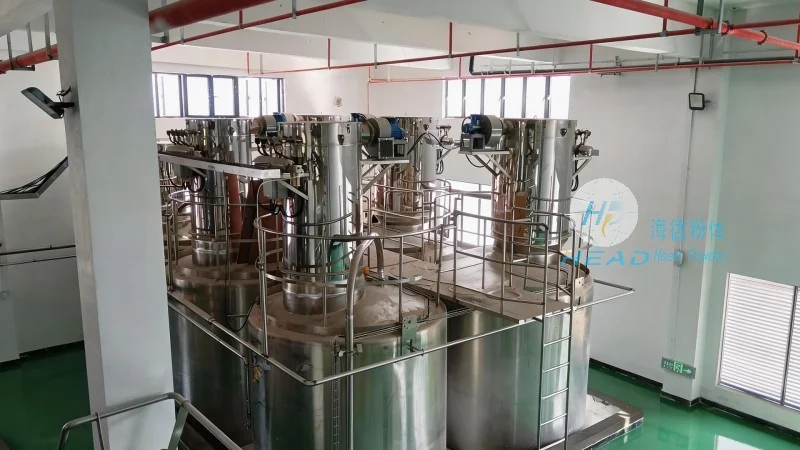
From an operational perspective, positive pressure systems may require more frequent maintenance due to the higher stress on components like blowers and conveying lines. Negative pressure systems, while potentially simpler, may need additional filtration systems to manage the vacuum and prevent dust accumulation in the equipment. Both methods have their place in the cotton seed industry, and the optimal choice is determined by a careful evaluation of the specific operational constraints and performance goals.
Application Considerations and Practical Recommendations
For cotton seed processing facilities, selecting the appropriate pneumatic conveying system is critical to ensure efficient material handling and minimize operational costs. Positive pressure systems are often preferred for large-scale operations where high throughput and long conveying distances are required. They are particularly effective when dealing with dense or abrasive cotton seed, as the high pressure helps to maintain consistent flow and prevent blockages. Negative pressure systems, however, may be more suitable for smaller facilities or when the primary concern is dust control and energy efficiency.
It is also important to consider the overall system design, including the layout of the conveying lines, the placement of inlets and outlets, and the integration with other processing equipment. Proper system design can significantly impact the performance and reliability of both positive and negative pressure conveying systems. Additionally, regular maintenance and monitoring of system parameters, such as pressure and flow rates, are essential to ensure optimal operation and extend the lifespan of the equipment.




