Efficient and reliable material transport is a critical component in the production processes of lithium-ion batteries, where the handling of positive and negative electrode materials directly impacts overall manufacturing efficiency and product quality. As a leading provider in the field, Shandong HeadPowder Engineering Co., Ltd. specializes in delivering tailored solutions for the transportation of these essential components. This article explores the common methods used for transporting positive and negative electrode materials, highlighting the key considerations and applications for each approach.
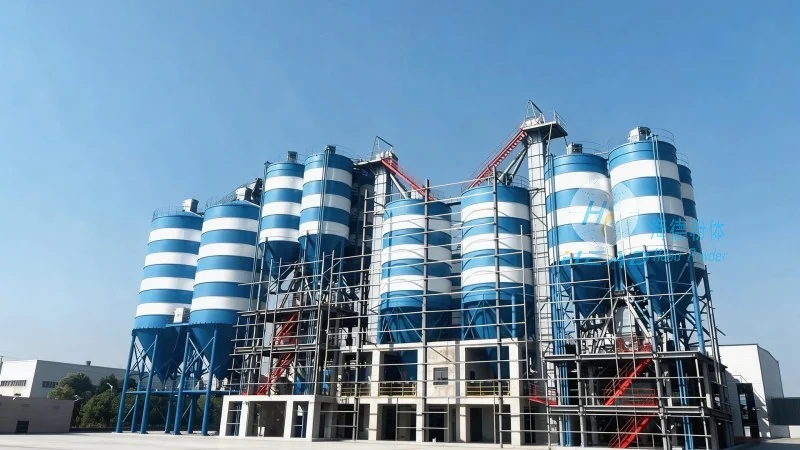
1. Mechanical Conveying Systems
Mechanical conveying systems utilize physical components to move materials from one location to another. Among the most widely used systems in the battery manufacturing industry are belt conveyors, bucket elevators, and chain conveyors. Belt conveyors, for instance, are ideal for transporting bulk materials over short to medium distances, offering high capacity and low maintenance requirements. They are commonly employed in the initial stages of material handling, such as moving raw materials from storage to processing areas. Bucket elevators, on the other hand, are designed to lift materials vertically, making them suitable for applications where vertical transport is necessary, such as feeding material into mixing or coating lines. These systems are often integrated with other equipment to form a continuous material flow, ensuring smooth operation throughout the production line.
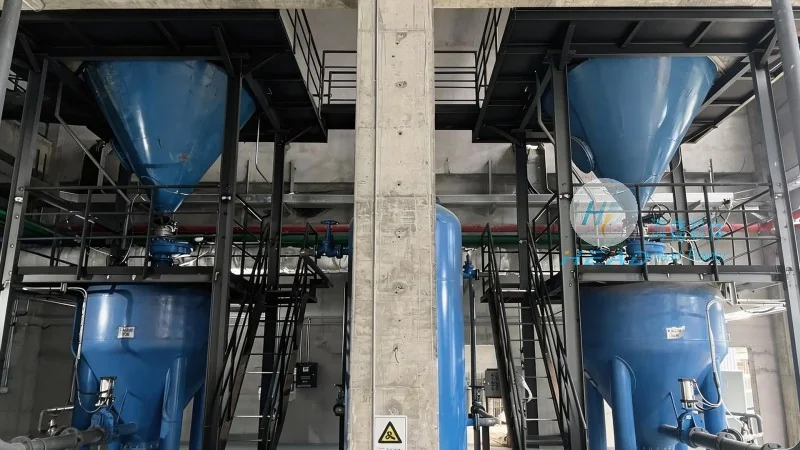
2. Pneumatic Conveying Systems
Pneumatic conveying systems use air or other gases to transport materials through a pipeline. This method is particularly advantageous for handling fine powders and granules, which are common in the production of battery electrode materials. There are two primary types of pneumatic conveying: suction (or negative pressure) and pressure (or positive pressure) systems. Suction systems draw material into the pipeline using a vacuum, while pressure systems force material through the line using compressed air. Both methods offer advantages in terms of flexibility and cleanliness, as they can transport materials without direct contact, reducing contamination risks. Pneumatic conveyors are often used in applications requiring precise control over material flow, such as feeding materials into mixing equipment or coating machines. The choice between suction and pressure systems depends on factors like material characteristics, distance, and system complexity.
3. Screw Conveyors
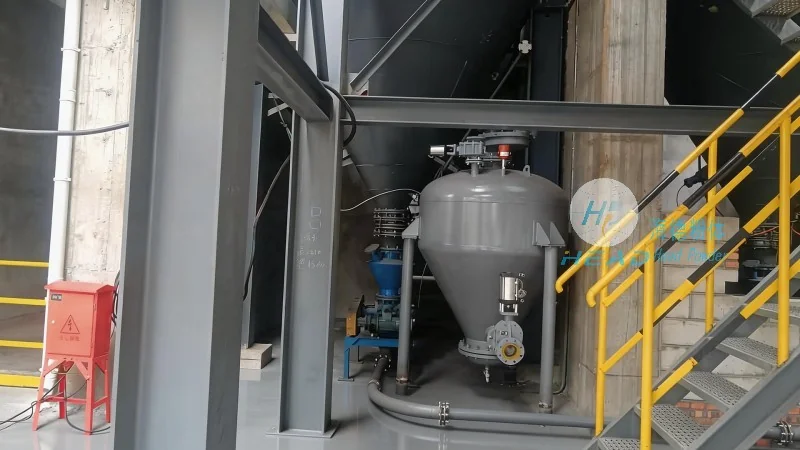
Screw conveyors, also known as auger conveyors, are a type of mechanical conveyor that uses a rotating screw to move materials along a trough. This method is particularly effective for transporting granular or powdery materials, such as those used in battery electrode production. Screw conveyors are known for their simplicity and reliability, as they require minimal maintenance and can operate in a variety of environments. They are commonly used for horizontal or slightly inclined transport, making them suitable for moving materials between processing stages or for feeding materials into mixers and extruders. The design of the screw, including its pitch and diameter, can be customized to suit specific material characteristics, ensuring efficient and consistent transport. Screw conveyors are often integrated with other equipment to form a continuous material handling system, enhancing overall production efficiency.
4. Vibrating Conveyors
Vibrating conveyors utilize vibrations to move materials along a trough. This method is particularly effective for handling materials that are difficult to transport using traditional methods, such as sticky or cohesive powders. The conveyor consists of a trough that is mounted on a vibrating mechanism, which causes the material to move forward due to the vibrations. Vibrating conveyors are known for their ability to handle a wide range of materials, including those with varying moisture content or particle sizes. They are commonly used in applications where gentle handling is required, such as transporting materials that are sensitive to abrasion or breakage. The speed and amplitude of the vibrations can be adjusted to control the material flow rate, ensuring precise and controlled transport. Vibrating conveyors are often used in conjunction with other equipment, such as feeders or mixers, to form a comprehensive material handling system.
5. Combination Systems
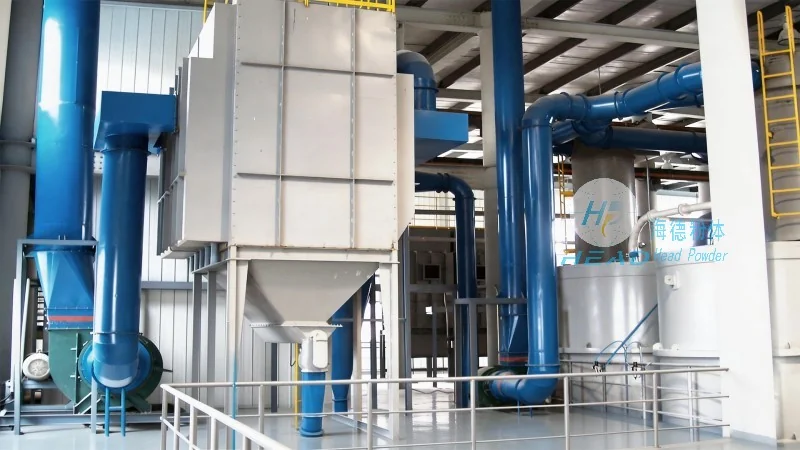
In many battery manufacturing facilities, a combination of the above systems is used to achieve optimal material transport. For example, a facility might use a belt conveyor to transport raw materials from storage to a processing area, followed by a pneumatic conveyor to feed materials into a mixing machine. This integrated approach allows for seamless material flow and minimizes downtime. The choice of system depends on factors such as material characteristics, production volume, and the specific requirements of the manufacturing process. Shandong HeadPowder Engineering Co., Ltd. specializes in designing and implementing such integrated material handling solutions, ensuring that each component works in harmony to maximize efficiency and product quality.
As a leading provider of material handling solutions, Shandong HeadPowder Engineering Co., Ltd. understands the importance of selecting the right transport method for positive and negative electrode materials. By leveraging their expertise in mechanical, pneumatic, and other conveying technologies, the company offers tailored solutions that meet the unique needs of each client. Whether a facility requires a simple belt conveyor or a complex integrated system, HeadPowder provides reliable and efficient solutions that enhance production efficiency and ensure consistent product quality. With a focus on innovation and customer satisfaction, HeadPowder continues to be a trusted partner in the battery manufacturing industry, helping companies achieve their production goals while maintaining high standards of quality and safety.




