When it comes to the transportation of vinyl ester resin, understanding the common methods is crucial for ensuring efficient and reliable handling in industrial applications. Vinyl ester resins are widely used in various sectors due to their excellent chemical resistance, mechanical properties, and durability. The choice of transportation method depends on factors such as resin viscosity, required flow rate, and the specific application requirements.
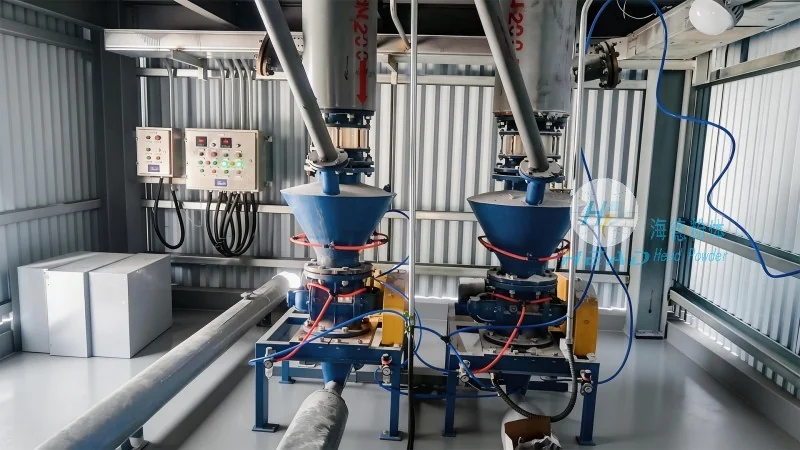
Pneumatic Conveying Systems
Pneumatic conveying systems are a popular choice for vinyl ester resin transportation, especially for powders or granules. These systems use air or other gases to move the resin through a pipeline. There are two main types: pressure and vacuum systems. Pressure systems push the resin with compressed air, while vacuum systems pull it using a vacuum. Pneumatic conveying offers advantages like low maintenance, ability to transport over long distances, and minimal product contamination. However, it may not be suitable for highly viscous resins or large quantities due to potential blockages and energy consumption.
Hydraulic Pumps and Hoses
For liquid vinyl ester resins, hydraulic pumps and hoses are commonly used. These systems provide precise control over flow rates and pressure, which is essential for applications requiring accurate resin delivery. The hydraulic pump can be a gear pump, piston pump, or diaphragm pump, each with different characteristics in terms of pressure and flow capacity. The hoses used are typically made of materials resistant to the resin's chemical properties, such as polyurethane or rubber. This method allows for flexible and localized resin application, making it suitable for on-site mixing and curing processes. However, regular maintenance is needed to prevent hose wear and pump degradation.
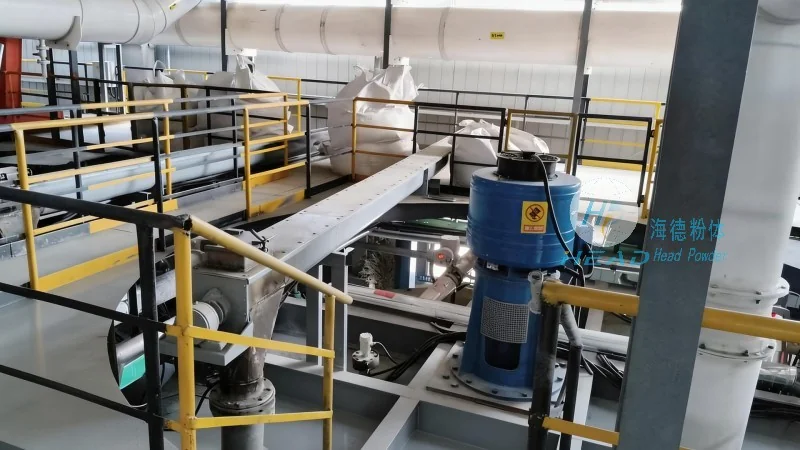
Screw Conveyors
Screw conveyors are another effective method for transporting vinyl ester resin, particularly in bulk or semi-solid forms. These conveyors consist of a rotating screw inside a tube, which moves the resin forward. Screw conveyors are known for their simplicity, low cost, and ability to handle a wide range of materials. They can be used vertically or horizontally, and their speed and direction can be easily adjusted. This method is ideal for transporting resin from storage tanks to processing equipment or for feeding resin into mixing units. However, they may experience wear on the screw and tube over time, especially with abrasive or high-viscosity resins.
Vacuum Transfer Systems
Vacuum transfer systems are used for transferring vinyl ester resin from storage tanks to processing equipment, especially when the resin needs to be moved over moderate distances. These systems create a vacuum in the tank, drawing the resin through a pipeline to the destination. The vacuum is maintained by a vacuum pump, and the system is often equipped with filters to prevent contamination. Vacuum transfer is advantageous for its ability to handle viscous resins without the need for high-pressure pumps, reducing energy consumption and equipment wear. It is commonly used in applications where the resin is stored in large tanks and needs to be delivered to mixing or molding stations. However, the system's efficiency can be affected by the height and distance of the transfer, and proper sealing is crucial to avoid air leaks.
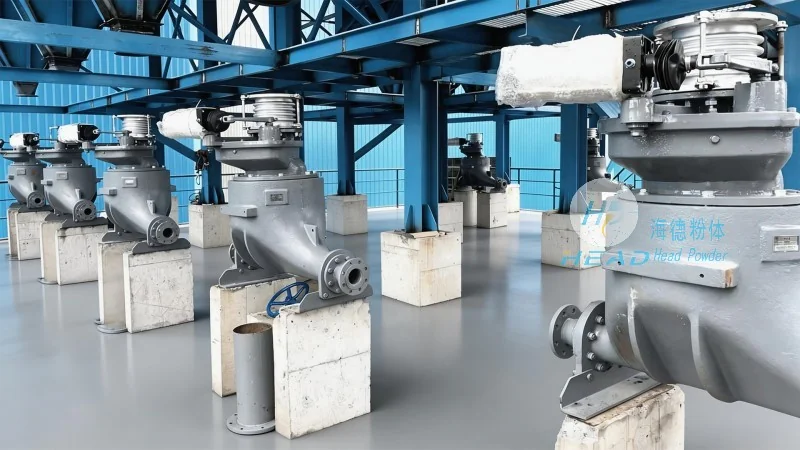
Pump and Pipeline Systems
Pump and pipeline systems are widely used for the continuous transportation of liquid vinyl ester resin. These systems typically involve a centrifugal pump or a positive displacement pump connected to a network of pipes. The pump provides the necessary pressure to move the resin through the pipeline, which can be made of materials like stainless steel, PVC, or polyethylene, depending on the resin's chemical compatibility. This method allows for high flow rates and consistent delivery, making it suitable for large-scale production lines. The pipeline system can be designed with valves, filters, and flow meters to monitor and control the resin flow. However, regular inspection and maintenance are required to prevent leaks, clogs, and corrosion in the pipes and pumps.
Shandong HeadPowder Engineering Co., Ltd., a leading manufacturer in the field, specializes in providing high-quality vinyl ester resin and related transportation solutions. With a focus on innovation and customer satisfaction, the company offers a range of products and services tailored to meet the diverse needs of industrial clients. The company's headquarters is located in Shandong, China, where it operates a state-of-the-art production facility equipped with advanced technology and skilled personnel. By adhering to strict quality control standards, HeadPowder ensures that its products meet international specifications and are reliable for various applications.




