

Types, Features, and Applications of Polyethylene Resin Powder Pneumatic Conveying
Understanding the various types, key characteristics, and practical applications of polyethylene resin powder pneumatic conveying systems is essential for industries relying on efficient material handling. This overview aims to provide a comprehensive insight into the technology, its operational benefits, and the specific scenarios where such systems excel.
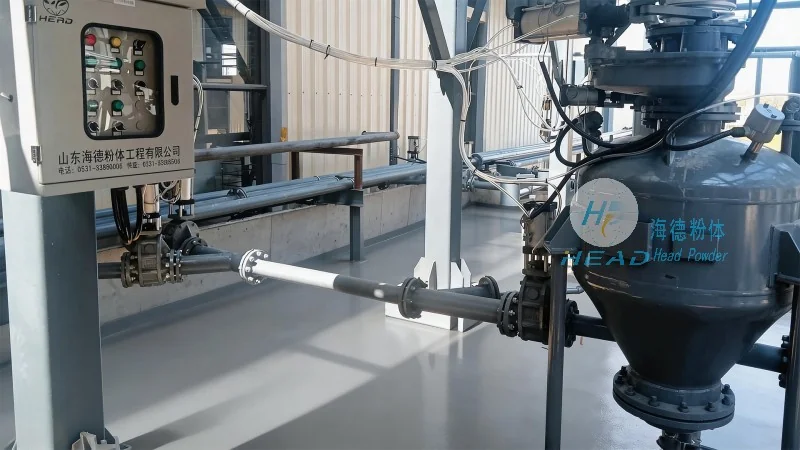
Types of Pneumatic Conveying Systems for Polyethylene Resin Powder
There are primarily two main categories of pneumatic conveying systems used for polyethylene resin powder: dilute-phase and dense-phase systems. Each type offers distinct advantages based on the material's properties, distance, and required flow rate.
Dilute-phase systems operate by transporting the material in a suspended state within a high-velocity air stream. This method is ideal for short to medium distances and materials with low to moderate dust generation. The system typically uses a positive pressure blower, ensuring the material is carried efficiently without clogging. Dense-phase systems, on the other hand, transport the material in a slurry-like state, using lower air velocities and higher material concentrations. This approach is suitable for longer distances and materials that are more prone to clogging or require gentle handling, such as fine powders like polyethylene resin.
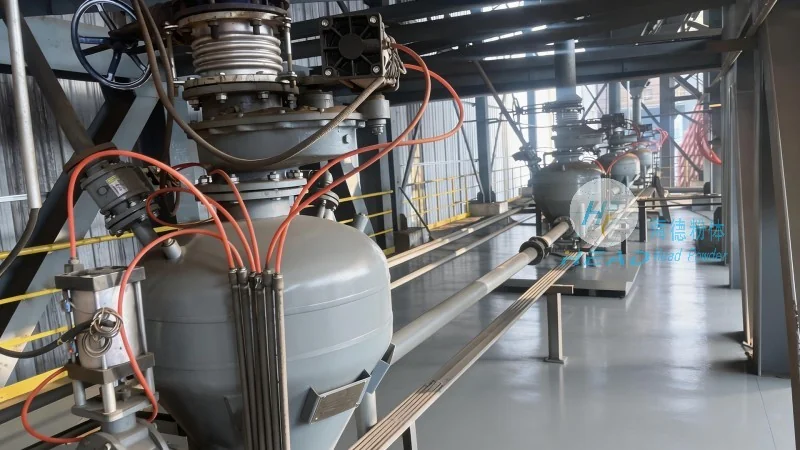
Key Features and Advantages of Polyethylene Resin Powder Pneumatic Conveying
Implementing pneumatic conveying for polyethylene resin powder offers several advantages that enhance operational efficiency and product quality. One of the most significant benefits is the ability to maintain a closed system, which minimizes dust exposure and environmental contamination. This is crucial for polyethylene resin, as it helps prevent contamination from external particles and maintains the purity of the material. Additionally, pneumatic conveying systems are highly flexible, allowing for easy integration into existing production lines and modifications to accommodate varying production volumes.
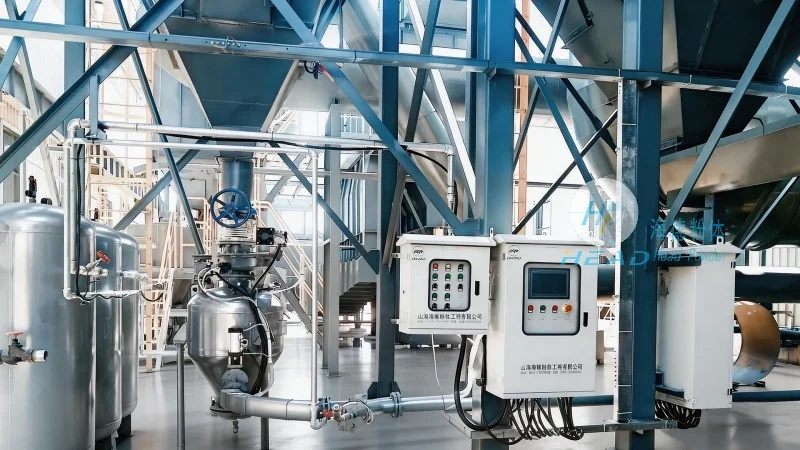
Another key feature is the energy efficiency of these systems, especially when optimized for the specific material characteristics. By selecting the appropriate type of system (dilute or dense-phase) and adjusting air pressure and flow rates, operators can achieve optimal performance with reduced energy consumption. This not only lowers operational costs but also contributes to a more sustainable manufacturing process. Furthermore, the compact design of many pneumatic conveying systems makes them suitable for space-constrained facilities, allowing for efficient use of available floor space without compromising performance.
Application Scope of Polyethylene Resin Powder Pneumatic Conveying
The application scope of polyethylene resin powder pneumatic conveying systems is broad and encompasses various industries where polyethylene resin is a critical component. In the plastics manufacturing sector, these systems are widely used for transporting resin from storage silos to processing equipment, such as extruders and injection molding machines. This ensures a continuous and uninterrupted supply of material, which is vital for maintaining production schedules and meeting demand.