Shandong HeadPowder Engineering Co., Ltd., commonly known as HeadPowder, specializes in the design and manufacturing of advanced material handling systems tailored for the lithium-ion battery industry. This article focuses on the working principle and key features of the lithium-ion battery positive electrode material conveying line, a critical component in the production process of high-performance battery cells.
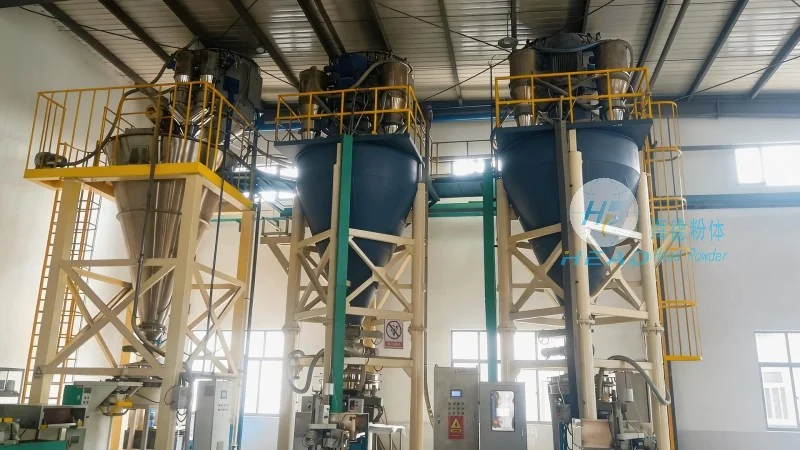
Overview of the Lithium-Ion Battery Positive Electrode Material Conveying Line
The lithium-ion battery positive electrode material conveying line is a sophisticated system engineered to efficiently transport, process, and manage the raw materials used in the production of positive electrode active materials. These materials, such as lithium cobalt oxide (LCO), lithium nickel manganese cobalt oxide (NMC), and lithium iron phosphate (LFP), require precise handling to ensure consistent quality and performance in the final battery products. The conveying line integrates multiple stages, including material feeding, weighing, mixing, conveying, and packaging, all designed to meet the stringent requirements of modern battery manufacturing.
Working Principle of the Conveying Line
The operation of the lithium-ion battery positive electrode material conveying line follows a systematic workflow that ensures seamless material processing. The process typically begins with the raw material storage, where bulk materials are stored in silos or hoppers. From there, the materials are fed into a series of conveying equipment, such as screw conveyors, belt conveyors, or pneumatic systems, depending on the material properties and production scale. Each stage is equipped with sensors and control systems to monitor the flow rate and ensure uniform material distribution.
During the conveying process, the materials may undergo intermediate processing steps, such as weighing and mixing. Weighing stations are integrated to measure the exact quantity of each material, which is crucial for maintaining the desired chemical composition and stoichiometry of the positive electrode. Mixing units, often equipped with high-speed agitators or planetary mixers, blend the raw materials to achieve a homogeneous mixture, preventing segregation and ensuring consistent material properties.
After mixing, the processed material is conveyed to the packaging or further processing stages. The conveying line may include additional components like vibrating screens for material classification or filtration systems to remove impurities. The entire system is controlled by a centralized PLC (Programmable Logic Controller) or a more advanced SCADA (Supervisory Control and Data Acquisition) system, which allows for real-time monitoring, data logging, and automated adjustments to optimize production efficiency.
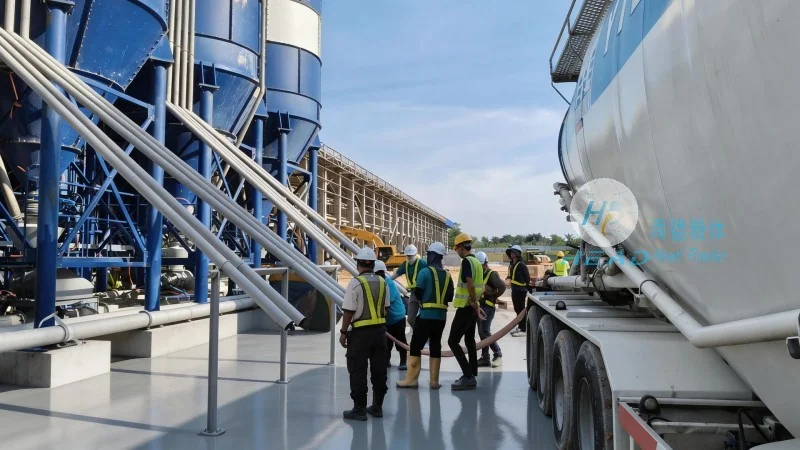
Key Features of the Conveying Line
The lithium-ion battery positive electrode material conveying line is characterized by several key features that enhance its performance and reliability in industrial settings. First, the system is designed for high automation, reducing the need for manual intervention and minimizing human error. Automated feeding, weighing, and mixing processes ensure consistent material quality and reduce variability in the final product.
Second, the conveying line offers high precision and accuracy in material handling. Advanced sensors and control systems enable precise measurement of material flow rates, ensuring that the exact proportions of each component are maintained. This precision is critical for achieving the desired battery performance, such as energy density, cycle life, and safety characteristics.
Third, the system is built for durability and long-term operation. Materials used in the construction of the conveying line, such as stainless steel and corrosion-resistant alloys, are selected to withstand the harsh chemical environment of battery materials and the rigorous demands of continuous production. The robust design also includes features like overload protection and emergency stop mechanisms to enhance safety and prevent equipment damage.
Fourth, the conveying line is highly scalable and adaptable to different production requirements. Whether for small-scale laboratory testing or large-scale commercial production, the system can be customized with varying capacities, conveyor lengths, and processing stages. This flexibility allows manufacturers to adjust the line to meet changing production needs or to integrate new materials as technology evolves.
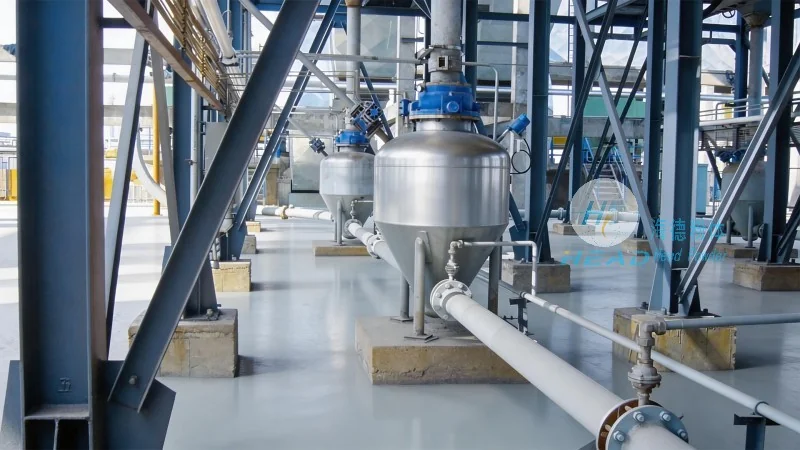
Fifth, the system emphasizes energy efficiency and environmental sustainability. Modern conveying lines incorporate energy-saving motors and optimized conveying speeds to reduce power consumption. Additionally, dust collection and filtration systems are integrated to minimize environmental impact and comply with industrial safety regulations.
Applications and Benefits in Battery Manufacturing
The lithium-ion battery positive electrode material conveying line plays a vital role in the overall battery production process, contributing to improved efficiency, quality, and cost-effectiveness. By streamlining the material handling and processing stages, the system reduces production time and labor costs, while ensuring that the positive electrode materials meet the strict specifications required for high-performance batteries.
For manufacturers, the benefits of this conveying line include enhanced product consistency, reduced waste, and improved overall operational efficiency. The automated and precise nature of the system helps in maintaining stable production output, which is essential for meeting market demands and maintaining competitive advantage in the lithium-ion battery industry.
Moreover, the system's adaptability allows it to accommodate new materials and technologies as the battery industry continues to innovate. This ensures that manufacturers can stay ahead of the curve and meet the evolving requirements of consumers and regulatory bodies.




