

What is Dry Yeast Pneumatic Conveying? An Introduction to the Working Principle of Powder Handling S
For industries dealing with bulk dry materials like dry yeast, efficient and reliable material handling is crucial. Pneumatic conveying systems have emerged as a preferred solution due to their ability to transport powders and granules with minimal contamination and loss. This article explores the concept of dry yeast pneumatic conveying, detailing the working principles and key components of such powder handling systems.
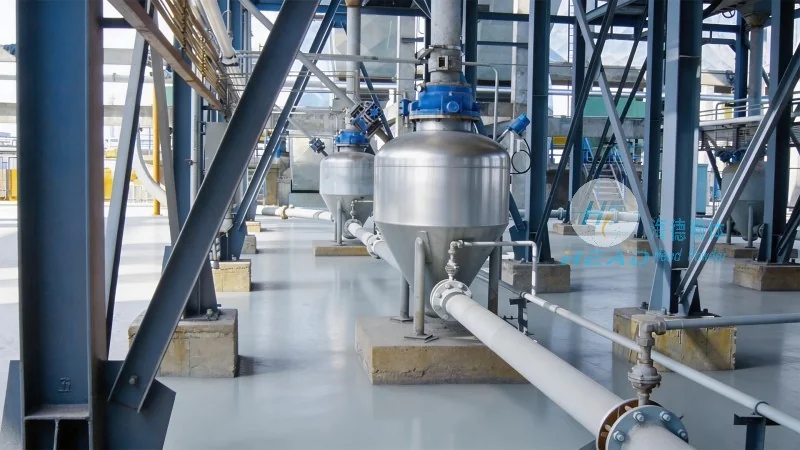
Introduction to Dry Yeast Pneumatic Conveying
Dry yeast, a vital ingredient in the food and beverage industry, requires specialized handling to maintain its quality and functionality. Pneumatic conveying, also known as air conveying, is a method that uses compressed air to move dry yeast and other fine powders through a pipeline. This technique offers several advantages over traditional mechanical conveying methods, including reduced product degradation, lower risk of contamination, and the ability to transport materials over long distances without the need for multiple transfer points.
Working Principle of Pneumatic Conveying Systems
The core of a pneumatic conveying system is the transfer of material using air pressure. There are two main types of pneumatic conveying: pressure and vacuum systems. In pressure systems, compressed air is introduced at the discharge end of the pipeline, pushing the dry yeast forward. Conversely, vacuum systems create a negative pressure at the inlet, drawing the material into the pipeline. For dry yeast, a pressure system is often preferred as it provides better control over the flow rate and prevents backflow, which could affect the yeast's viability.
Key Components of a Dry Yeast Pneumatic Conveying System
A typical dry yeast pneumatic conveying system consists of several essential components that work in tandem to ensure efficient material transport. These include:
1. Feeder: The feeder is responsible for feeding dry yeast into the conveying line at a controlled rate. It ensures a consistent flow of material, preventing overloading or underloading of the system. For dry yeast, a rotary valve or a screw feeder is commonly used to maintain a steady feed. Such components are often integrated into systems designed by companies like Shandong HeadPowder Engineering Co., Ltd.
2. Conveying Line: The pipeline through which the dry yeast is transported. The material is carried by the air flow within the line, moving from the inlet to the discharge point. The design of the line, including its diameter and length, is critical to maintaining the material's integrity and preventing blockages.
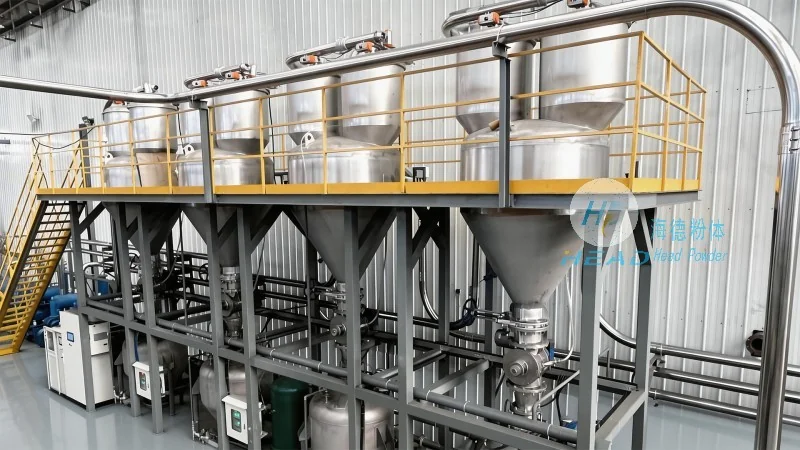
3. Compressor or Vacuum Pump: This component generates the necessary air pressure or vacuum to move the dry yeast. In pressure systems, a positive displacement blower or compressor is used, while vacuum systems rely on a vacuum pump. The choice of equipment depends on the system's capacity and the distance the material needs to travel.
4. Receiver: The container where the dry yeast is deposited after being conveyed. The receiver is typically designed to minimize dust and maintain product quality. It may include features such as a dust collection system or a vent to control pressure.
5. Control System: The control system monitors and regulates the operation of the pneumatic conveying system. It includes sensors to measure pressure, flow rate, and material level, as well as valves and actuators to adjust the system's performance. This ensures that the dry yeast is transported safely and efficiently, with minimal waste.
Advantages of Dry Yeast Pneumatic Conveying
Implementing a pneumatic conveying system for dry yeast offers numerous benefits that enhance operational efficiency and product quality. Some of the key advantages include:
1. Reduced Product Contamination: Unlike mechanical conveying, which may involve direct contact with metal parts, pneumatic systems minimize the risk of contamination from external sources. This is particularly important for food-grade products like dry yeast, where hygiene is paramount.
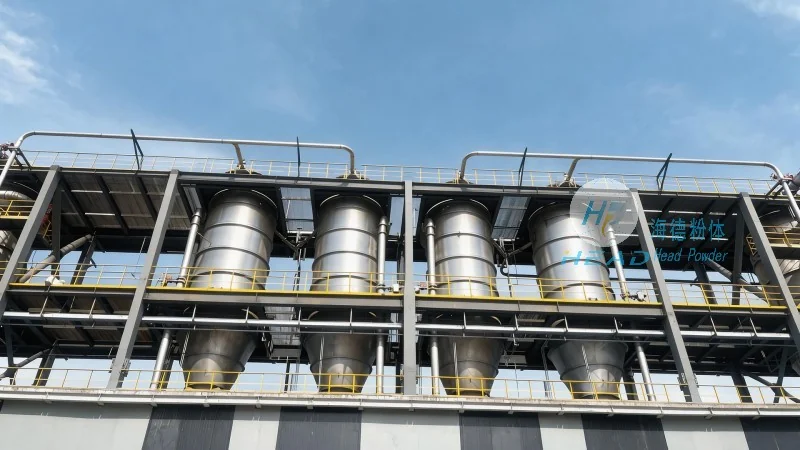
2. Improved Material Integrity: The gentle handling of dry yeast by air reduces the risk of particle degradation, such as agglomeration or breakage. This helps maintain the yeast's active enzymes and ensures consistent performance in downstream processes.
3. Energy Efficiency: Pneumatic conveying systems can be more energy-efficient compared to traditional methods, especially for short to medium distances. The use of compressed air can be optimized to minimize energy consumption while maintaining the required flow rate.
4. Flexibility and Scalability: These systems can be easily adapted to different production requirements. They can handle varying capacities and can be expanded or reconfigured as production needs change, making them suitable for both small-scale and large-scale operations.
Applications in the Food and Beverage Industry
Dry yeast pneumatic conveying is widely used in the food and beverage industry, particularly in bakeries, breweries, and fermentation facilities. The system is employed to transport dry yeast from storage silos to production lines, ensuring a continuous and reliable supply of the ingredient. It is also used in the packaging process, where the yeast is transferred from the production area to the packaging equipment without any manual handling.
Conclusion
Dry yeast pneumatic conveying is a sophisticated and effective method for handling bulk dry materials. By leveraging the principles of air pressure and flow, these systems provide a hygienic, efficient, and flexible solution for transporting dry yeast and other powders. As the demand for high-quality dry yeast increases, the adoption of advanced pneumatic conveying systems will continue to grow, ensuring that food and beverage manufacturers can meet the evolving needs of their customers while maintaining product quality and operational excellence.