

What is Gypsum Particle Pneumatic Conveying? An Introduction to the Working Principle of Powder Hand
Understanding the mechanics of gypsum particle pneumatic conveying is crucial for industries that rely on efficient powder handling. This technology, often referred to as pneumatic conveying, involves transporting bulk materials like gypsum through a pipeline using air or gas as the conveying medium. The process is integral to modern manufacturing and construction sectors, where the reliable movement of fine powders is essential for productivity and quality control.
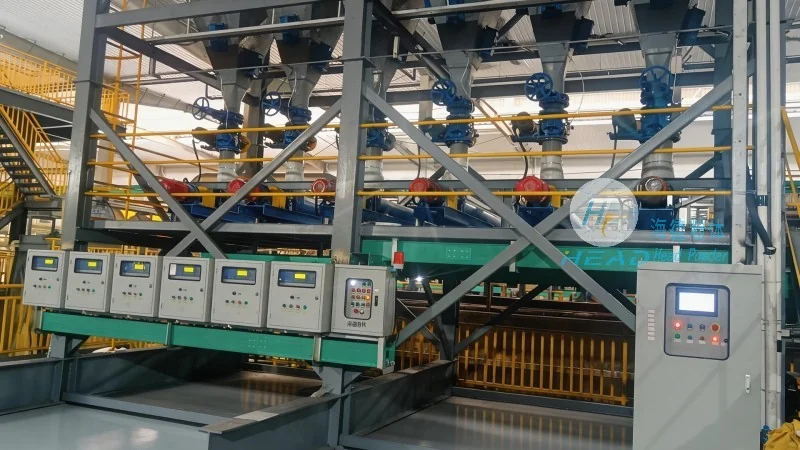
Key Components of a Pneumatic Conveying System
At the core of any pneumatic conveying system are several key components that work in tandem to ensure smooth material transport. The primary elements include a material feeder, which accurately meters the gypsum particles into the system, a conveying line (typically made of stainless steel or other corrosion-resistant materials to handle the abrasive nature of gypsum), and a separation unit that separates the material from the air stream at the end of the line. Additionally, a pressure or vacuum source, such as a blower or vacuum pump, provides the necessary force to move the particles through the pipeline.
The Working Principle of Gypsum Particle Pneumatic Conveying
The operation of a gypsum particle pneumatic conveying system is based on the principle of fluidization and suspension. When air is introduced into the conveying line at a sufficient velocity, it lifts and suspends the gypsum particles, allowing them to travel through the pipeline as a dense or dilute phase. The system can operate in either positive pressure (where air is forced into the line) or negative pressure (where air is drawn out of the line). The choice between these modes depends on factors such as the distance to be covered, the amount of material to be transported, and the need to prevent dust emissions.
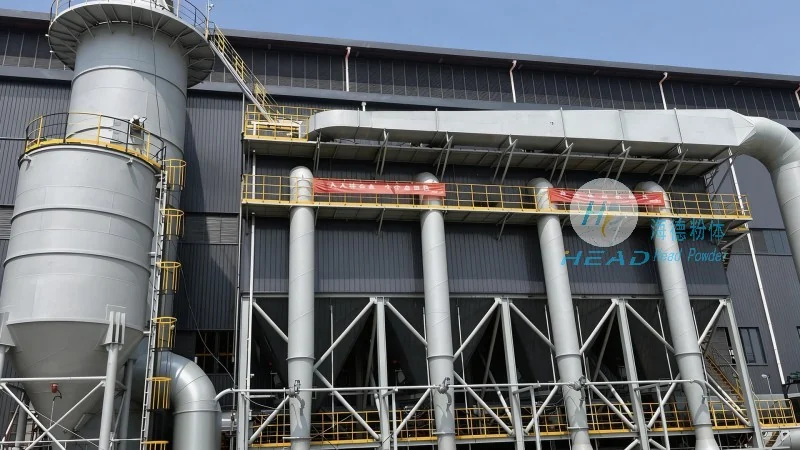
Advantages of Pneumatic Conveying for Gypsum Handling
Compared to traditional methods like belt conveyors or bucket elevators, pneumatic conveying offers several advantages for gypsum particle transport. These include the ability to handle fine, dusty materials without generating excessive dust, the flexibility to route the conveying line around obstacles, and the reduced risk of material degradation due to minimal contact with equipment. Furthermore, the system can be designed to operate in a closed loop, minimizing environmental impact and ensuring compliance with industrial regulations.
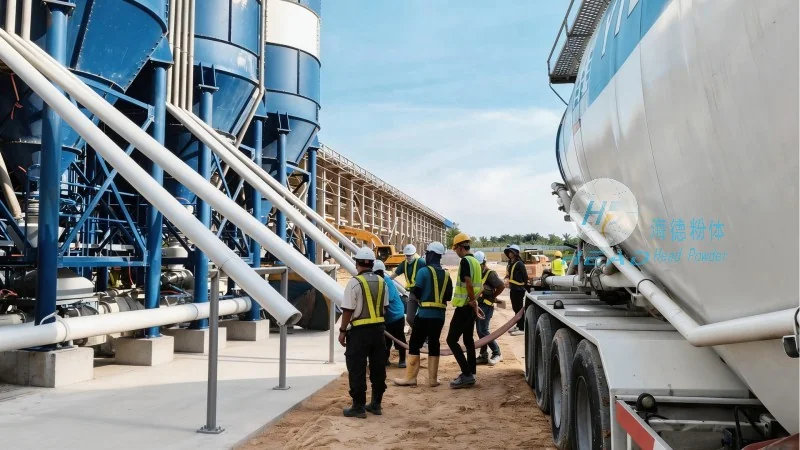
HeadPowder Engineering's Expertise in Powder Handling Solutions
Shandong HeadPowder Engineering Co., Ltd., a leading provider of powder handling technologies, specializes in designing and manufacturing customized pneumatic conveying systems tailored to the unique needs of gypsum processing facilities. With years of experience in the industry, HeadPowder leverages advanced engineering principles to develop solutions that optimize material flow, reduce operational costs, and enhance overall system efficiency. The company's team of experts works closely with clients to assess their specific requirements, from material characteristics and processing volumes to space constraints and environmental considerations.
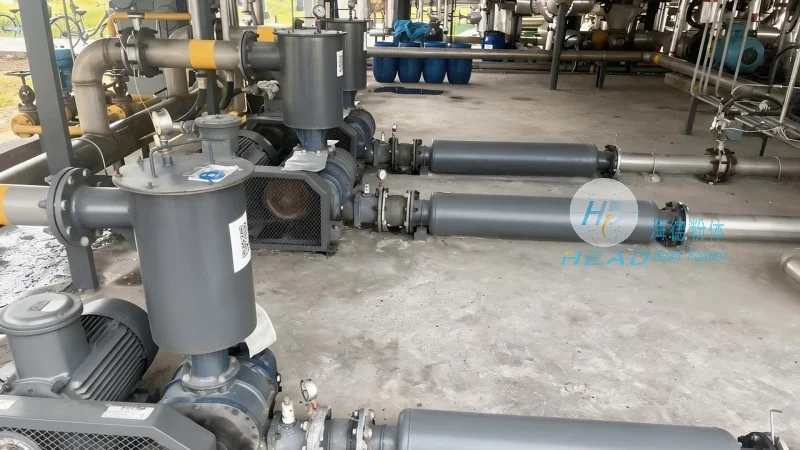
Customization and Integration for Optimal Performance
HeadPowder Engineering understands that each gypsum processing operation is distinct, which is why they offer comprehensive customization options for their pneumatic conveying systems. This includes selecting the appropriate type of feeder (e.g., rotary valve, screw feeder) based on the particle size and flow rate of the gypsum, choosing the right blower or vacuum pump to match the system's pressure and flow requirements, and integrating additional components such as filters, cyclones, or dust collectors to meet specific dust control needs. By tailoring the system to the client's operational parameters, HeadPowder ensures that the conveying process is both efficient and reliable.
Ensuring Reliability and Durability in Gypsum Conveying
Given the abrasive nature of gypsum particles, the durability of the conveying system is paramount. HeadPowder Engineering utilizes high-quality materials, such as stainless steel and wear-resistant coatings, in the construction of their components to withstand the constant impact and friction caused by the particles. This attention to material selection and engineering design extends the lifespan of the equipment and minimizes downtime due to maintenance or repairs. Additionally, the company provides comprehensive after-sales support, including regular maintenance services and technical assistance, to ensure that the pneumatic conveying system operates at peak performance throughout its service life.