

What is Hydroxide Alumina Pneumatic Conveying? An Introduction to the Working Principle of Powder Ha
Hydroxide alumina, a widely used chemical compound, often requires efficient and reliable transportation methods for industrial applications. Pneumatic conveying systems have emerged as a key solution for handling such powders, offering advantages in terms of safety, cleanliness, and process integration. This article delves into the concept of hydroxide alumina pneumatic conveying, exploring the underlying principles and operational mechanisms of powder handling systems.
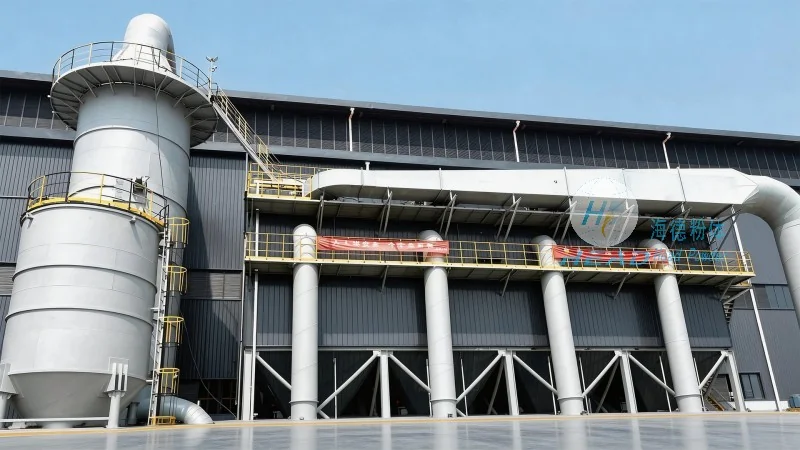
Understanding Hydroxide Alumina and Its Industrial Significance
Hydroxide alumina, also known as aluminum hydroxide, is a white solid with the chemical formula Al(OH)₃. It is a common raw material in various industries, including cosmetics, pharmaceuticals, and ceramics, due to its properties such as high purity, low moisture content, and excellent thermal stability. The efficient transport of this powder is crucial for maintaining product quality and ensuring smooth production workflows. Traditional methods like bucket elevators or belt conveyors may introduce contamination or degrade the powder's characteristics, making pneumatic conveying a preferred choice for many manufacturers.
The Core Principle of Pneumatic Conveying Systems
Pneumatic conveying systems utilize compressed air or other gases to transport bulk powders through a network of pipes. The process involves creating a pressure differential between the inlet and outlet of the system, which propels the powder particles forward. There are two primary types of pneumatic conveying: dilute-phase and dense-phase. Dilute-phase systems operate at higher velocities, typically moving particles in a dispersed state, while dense-phase systems use lower velocities and higher pressure to transport particles in a more concentrated manner. For hydroxide alumina, the choice of system depends on factors such as particle size, moisture content, and the distance to be covered.
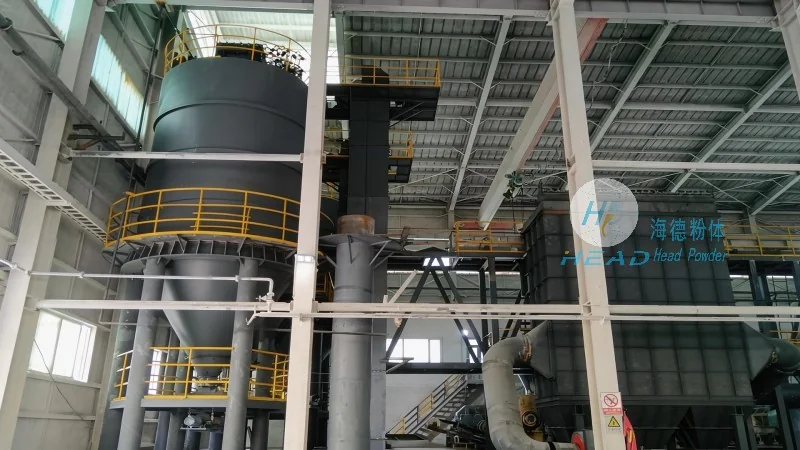
Key Components of a Hydroxide Alumina Pneumatic Conveying System
A typical pneumatic conveying system for hydroxide alumina consists of several critical components, each playing a vital role in the overall operation. These include:
- Feeder: The feeder is responsible for accurately metering the hydroxide alumina powder and introducing it into the conveying line. It ensures a consistent flow rate, which is essential for maintaining system efficiency and preventing blockages.
- Pneumatic Conveying Pipe: The pipe network forms the backbone of the system, transporting the powder from the source to the destination. The design of the pipe, including its diameter and material, is critical to minimize friction losses and prevent particle degradation.
- Compressor or Blower: The compressor or blower generates the necessary pressure and airflow to move the powder through the system. The selection of equipment depends on the system's capacity and the specific requirements of the hydroxide alumina being handled.
- Separation and Collection Equipment: At the end of the conveying line, separation equipment, such as cyclones or filters, is used to separate the powder from the air stream. This ensures that the hydroxide alumina is collected in a clean and dry state, ready for further processing.
- Control System: Modern pneumatic conveying systems are equipped with advanced control systems that monitor and regulate various parameters, including pressure, flow rate, and temperature. This ensures optimal performance and helps prevent system failures.
Operational Workflow in Hydroxide Alumina Pneumatic Conveying
The operation of a hydroxide alumina pneumatic conveying system follows a systematic workflow. The process typically begins with the powder being fed from a storage hopper or silo into the feeder. The feeder then meters the powder and releases it into the conveying pipe, where it is entrained by the high-velocity air stream generated by the compressor. The powder particles are carried through the pipe network to the destination point, such as a processing unit or a storage tank. At the receiving end, the air and powder are separated, and the powder is collected in a designated container. The air, now free of powder, is either vented to the atmosphere or recirculated back to the system, depending on the design and environmental regulations.
Advantages of Pneumatic Conveying for Hydroxide Alumina
Compared to traditional bulk handling methods, pneumatic conveying offers several advantages for hydroxide alumina transportation:
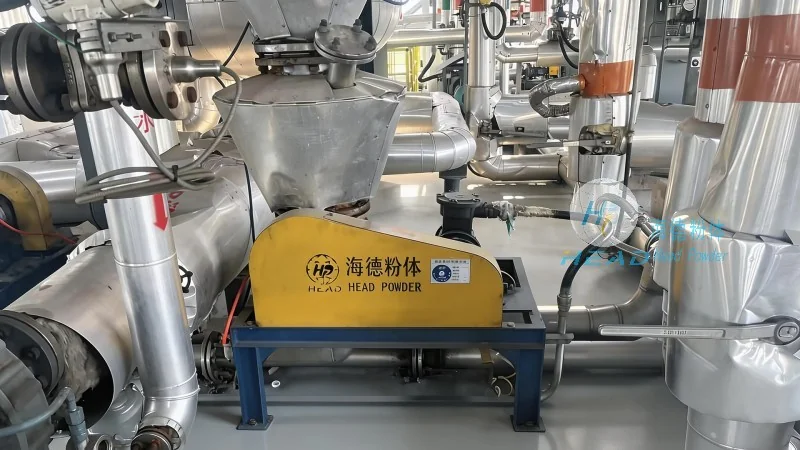
- Cleanliness and Hygiene: Pneumatic systems are enclosed, preventing contamination from external sources and maintaining the purity of the hydroxide alumina.
- Reduced Product Degradation: The enclosed environment minimizes exposure to air, moisture, and other contaminants, preserving the quality and properties of the powder.
- Flexibility and Scalability: Pneumatic systems can be easily adapted to different production volumes and layouts, allowing for seamless integration into existing industrial processes.
- Energy Efficiency: Modern systems are designed to optimize energy usage, reducing operational costs while maintaining high performance.
- Safety: The enclosed nature of the system reduces the risk of dust explosions and other safety hazards associated with open bulk handling.
Applications of Hydroxide Alumina Pneumatic Conveying
Hydroxide alumina pneumatic conveying systems are widely used in various industrial applications, including:
- Pharmaceutical Manufacturing: In the production of aluminum-based antacids and other pharmaceutical products, the need for clean and contamination-free handling is paramount. Pneumatic conveying ensures that the hydroxide alumina is transported without introducing impurities.
- Cosmetics and Personal Care: For the manufacturing of skincare products and cosmetics, the purity of hydroxide alumina is critical. Pneumatic systems maintain the powder's quality, ensuring consistent product performance.
- Ceramics and Refractory Materials: In the production of ceramic tiles and refractory bricks, hydroxide alumina is used as a raw material. Pneumatic conveying allows for efficient transport of the powder to the mixing and molding stages.
- Environmental Remediation: Hydroxide alumina is used in processes for neutralizing acidic waste and treating contaminated soil. Pneumatic systems enable the safe and effective transport of the material to treatment sites.
Conclusion and Company Overview
Hydroxide alumina pneumatic conveying systems represent a sophisticated and efficient solution for the transportation of this critical chemical compound. By leveraging the principles of pneumatic conveying, manufacturers can ensure the safe, clean, and reliable handling of hydroxide alumina, maintaining product quality and optimizing production processes. As a leading provider in the field, Shandong HeadPowder Engineering Co., Ltd. specializes in designing and implementing customized pneumatic conveying systems tailored to the specific needs of hydroxide alumina applications. With a focus on innovation and customer satisfaction, HeadPowder offers advanced solutions that enhance operational efficiency and support the growth of industries relying on hydroxide alumina. Based in Shandong, China, HeadPowder combines technical expertise with practical experience to deliver reliable and effective powder handling solutions for a diverse range of industrial applications.