

What is the pneumatic conveying of metal aluminum powder? Introduction to the working principle of p
Understanding the pneumatic conveying of metal aluminum powder is crucial for industries that rely on efficient and safe powder handling. This article provides an in-depth look at the working principles of such systems, highlighting the technology and processes involved in transporting metal aluminum powder through a pneumatic system.
Introduction to Pneumatic Conveying Systems
Pneumatic conveying, or air-based powder transport, is a method used to move bulk materials like metal aluminum powder from one location to another using a pressurized or vacuumed air stream. This technology offers several advantages over traditional mechanical conveying methods, including reduced equipment wear, lower maintenance costs, and the ability to handle materials that are difficult to transport by other means.
Working Principle of Metal Aluminum Powder Pneumatic Conveying
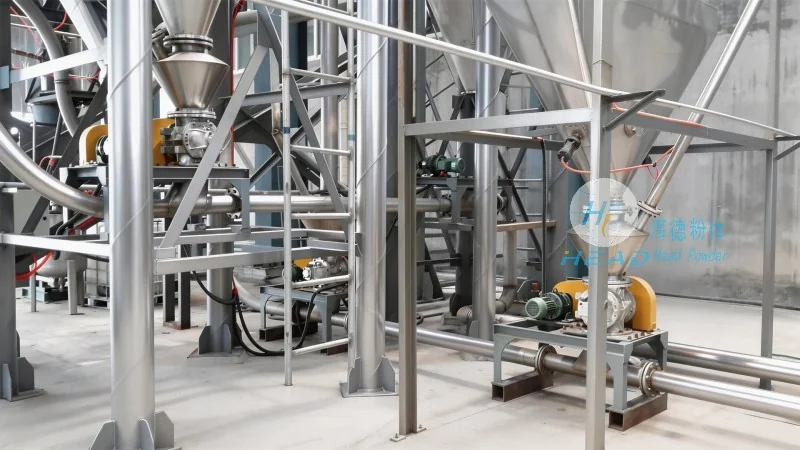
The core of a metal aluminum powder pneumatic conveying system involves a series of components working in tandem to ensure efficient material transport. The process typically begins with the material being fed into a hopper or feeder, where it is then introduced into a pipeline. A compressor or blower generates the necessary air pressure, which propels the aluminum powder particles through the pipeline. The system may use either positive pressure (where air is forced into the pipeline) or negative pressure (where air is drawn out), depending on the specific application and system design.
Key components in a typical metal aluminum powder pneumatic conveying system include the feeding device, the air compressor or blower, the pipeline network, and the receiving hopper or container. The feeding device ensures a consistent and controlled flow of aluminum powder into the system, preventing blockages and maintaining system efficiency. The air compressor or blower provides the motive force, creating the pressure differential needed to move the powder. The pipeline network transports the powder from the source to the destination, often incorporating bends, valves, and filters to manage the flow and maintain material quality. The receiving hopper or container collects the aluminum powder at the end of the transport process, ensuring a clean and efficient discharge.
Advantages of Pneumatic Conveying for Metal Aluminum Powder
Implementing a pneumatic conveying system for metal aluminum powder offers numerous benefits. One of the primary advantages is the ability to handle abrasive or sensitive materials without causing damage, as the powder is suspended in air rather than being subjected to mechanical friction. This reduces the risk of particle degradation and ensures the material remains in its original state. Additionally, pneumatic conveying systems are highly flexible, allowing for changes in transport routes and destinations without major modifications to the infrastructure. They also provide better control over the material flow, enabling precise dosing and dosing rates, which is critical in applications such as manufacturing and processing.
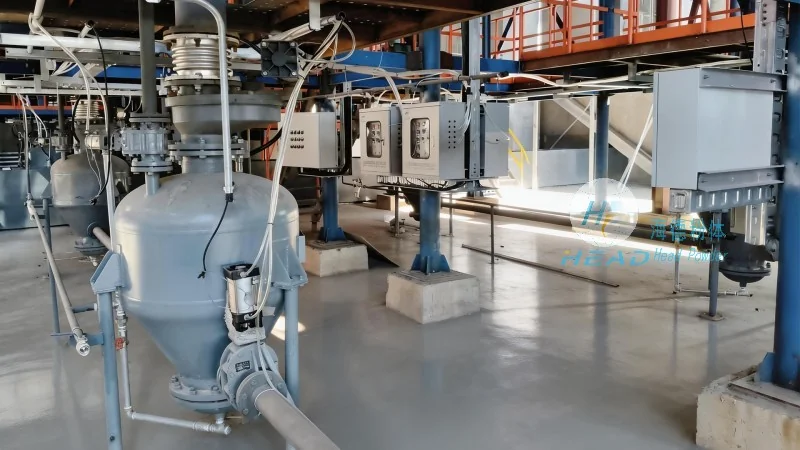
Another significant advantage is the reduced risk of contamination and dust exposure. By transporting the powder in an enclosed system, the risk of environmental contamination and worker exposure to fine aluminum particles is minimized. This is particularly important in industries where safety and regulatory compliance are paramount. Furthermore, pneumatic conveying systems can be integrated with other processing equipment, such as mixers or reactors, allowing for a seamless flow of materials from one stage to the next. This integration enhances overall process efficiency and reduces downtime.
Applications of Metal Aluminum Powder Pneumatic Conveying
The technology of pneumatic conveying is widely used in various industries that handle metal aluminum powder. In the aerospace industry, for example, metal aluminum powder is used in the production of lightweight components, and pneumatic conveying systems ensure that the powder is transported safely and efficiently to the manufacturing lines. In the chemical industry, aluminum powder is used as a raw material in the production of aluminum compounds, and pneumatic conveying helps maintain the purity of the material during transport. Additionally, in the automotive industry, aluminum powder is used in the production of lightweight parts, and the efficiency of pneumatic conveying systems supports the high-volume production requirements of this sector.
In the manufacturing of aluminum alloys, pneumatic conveying systems play a vital role in transporting the powder to the melting furnaces or mixing equipment. The ability to handle large quantities of aluminum powder quickly and reliably is essential for maintaining production schedules and meeting quality standards. Similarly, in the production of aluminum-based coatings and paints, pneumatic conveying ensures that the powder is delivered to the mixing tanks without any loss or contamination, resulting in high-quality end products.
Considerations for Implementing a Pneumatic Conveying System
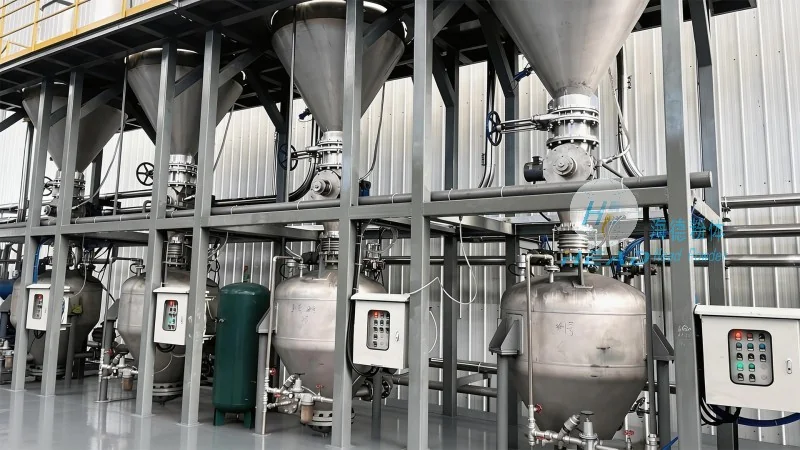
When considering the implementation of a pneumatic conveying system for metal aluminum powder, several factors need to be taken into account. The first is the material properties of the aluminum powder, including its particle size, density, and flowability. These characteristics will determine the appropriate system design, such as the type of feeder, the air pressure required, and the pipeline diameter. Additionally, the distance and elevation changes between the source and destination will impact the system's design, as these factors affect the pressure drop and energy consumption.
Another important consideration is the system's capacity and throughput requirements. The conveying system must be able to handle the desired volume of aluminum powder per hour or per batch, ensuring that production processes are not bottlenecked by material transport. This involves selecting the appropriate air compressor or blower capacity and the pipeline size to match the required flow rate. Furthermore, the system's reliability and maintenance requirements should be evaluated, as downtime can significantly impact production efficiency and costs.
Regulatory and safety considerations are also critical when implementing a pneumatic conveying system. The system must comply with local and international safety standards, particularly regarding dust explosion prevention and worker exposure limits. This may involve incorporating explosion-proof components, dust collection systems, and monitoring equipment to ensure safe operation. Additionally, the system's design should minimize the risk of material leakage or spillage, as aluminum powder can be a fire hazard if not handled properly.
Conclusion
Pneumatic conveying of metal aluminum powder is a sophisticated and efficient method for transporting bulk materials in various industrial applications. By understanding the working principles and components of such systems, industries can optimize their material handling processes, improve safety, and enhance overall operational efficiency. With the right system design and implementation, pneumatic conveying can provide a reliable and cost-effective solution for the transport of metal aluminum powder, supporting the demands of modern manufacturing and processing industries.