

Introduction to Wheat Bran Pneumatic Conveying and the Working Principle of Pneumatic Conveying Syst
Wheat bran pneumatic conveying systems represent a sophisticated approach to material handling, particularly in industrial settings where efficiency and precision are paramount. The process of transporting wheat bran, a byproduct of wheat milling, through pneumatic systems involves a combination of air flow, pressure differentials, and specialized equipment designed to ensure optimal performance. This article provides an overview of wheat bran pneumatic conveying, detailing the fundamental principles behind such systems and highlighting the key components that contribute to their effectiveness.
Understanding Pneumatic Conveying Systems
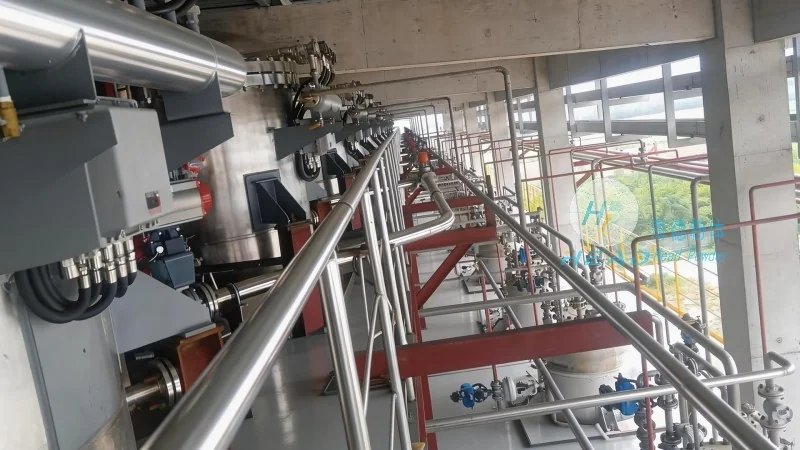
Pneumatic conveying, also known as air conveying, is a method of transporting bulk materials like wheat bran using a stream of air. The system operates by creating a pressure differential between the conveying line and the ambient environment. In a typical setup, a blower or compressor generates high-pressure air, which then moves the material through a pipeline. The design of the system can vary, with options ranging from low-pressure to high-pressure systems, each tailored to specific material characteristics and operational requirements.
Key Components of a Wheat Bran Pneumatic Conveying System
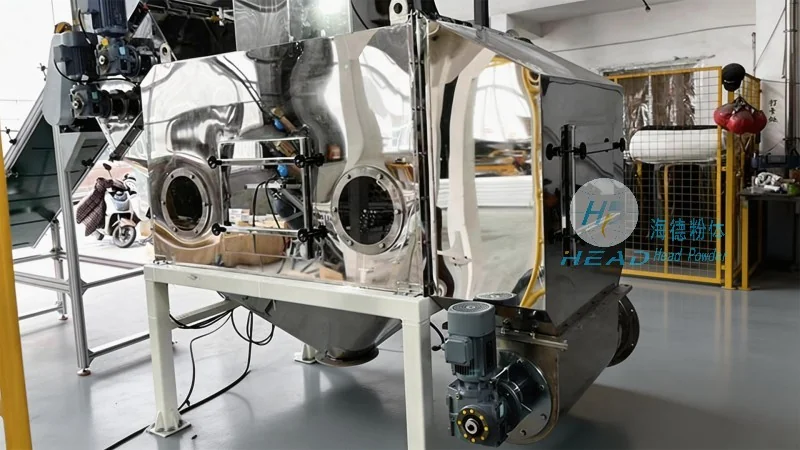
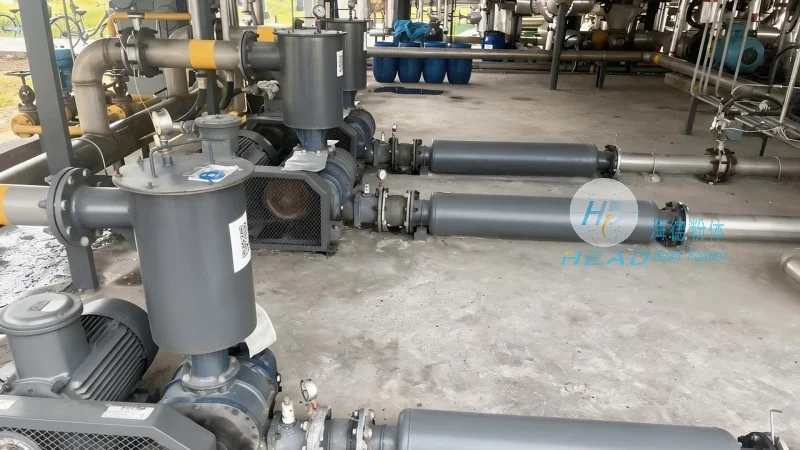
The effectiveness of a wheat bran pneumatic conveying system relies on several critical components. These include the air source, which provides the necessary pressure and volume of air; the conveying line, typically made of materials like stainless steel or plastic to prevent material buildup and corrosion; and the material feeders, such as rotary valves or screw feeders, which control the flow of wheat bran into the system. Additionally, the system may incorporate filters and cyclones to separate the air from the material, ensuring that the bran is delivered to its destination without contamination or loss.
Working Principle of Wheat Bran Pneumatic Conveying
The working principle of a wheat bran pneumatic conveying system involves several sequential steps. First, the wheat bran is fed into the system via a feeder, which ensures a consistent and controlled flow. The air source then generates a high-pressure stream, which draws the bran particles into the conveying line. As the air and material travel through the pipeline, the bran is suspended and transported to the discharge point. The system may include expansion chambers or pulse jets to maintain the material's suspension and prevent blockages. Finally, the bran is discharged into a storage or processing unit, completing the conveying process.
Advantages of Pneumatic Conveying for Wheat Bran
Implementing a pneumatic conveying system for wheat bran offers several advantages over traditional methods like belt conveyors or bucket elevators. One of the primary benefits is the ability to transport materials in a closed system, which helps maintain hygiene and prevents contamination from external factors. This is particularly important in food processing industries where product purity is critical. Additionally, pneumatic systems can handle materials with varying moisture content and particle sizes, making them versatile for different applications. The compact design of these systems also saves space in industrial facilities, allowing for more efficient use of available floor area.
About Shandong HeadPowder Engineering Co., Ltd.
Shandong HeadPowder Engineering Co., Ltd., operating under the brand name headpowder, specializes in the design, manufacturing, and installation of advanced material handling systems, including pneumatic conveying solutions for agricultural byproducts like wheat bran. With a focus on innovation and customer-centric solutions, the company leverages years of industry experience to deliver high-quality equipment tailored to the unique needs of its clients. HeadPowder's commitment to quality and reliability ensures that its systems meet the highest standards of performance and durability, making them a trusted choice in the industry.
Conclusion
Wheat bran pneumatic conveying systems represent a reliable and efficient method for handling bulk materials in industrial applications. By understanding the working principles and key components of such systems, businesses can optimize their material handling processes, improve operational efficiency, and maintain product quality. With the expertise of companies like Shandong HeadPowder Engineering Co., Ltd., organizations can access advanced solutions that address their specific material handling challenges, ensuring long-term success in their operations.