When it comes to handling refractory materials, the choice of conveying method is critical. These materials, often used in high-temperature applications such as furnaces, kilns, and industrial ovens, require specialized equipment to ensure safe, efficient, and reliable transport. The right conveying system not only enhances productivity but also minimizes the risk of material degradation or damage during transit. For businesses operating in the refractory industry, selecting an appropriate conveying method is a strategic decision that impacts operational efficiency and overall cost-effectiveness.
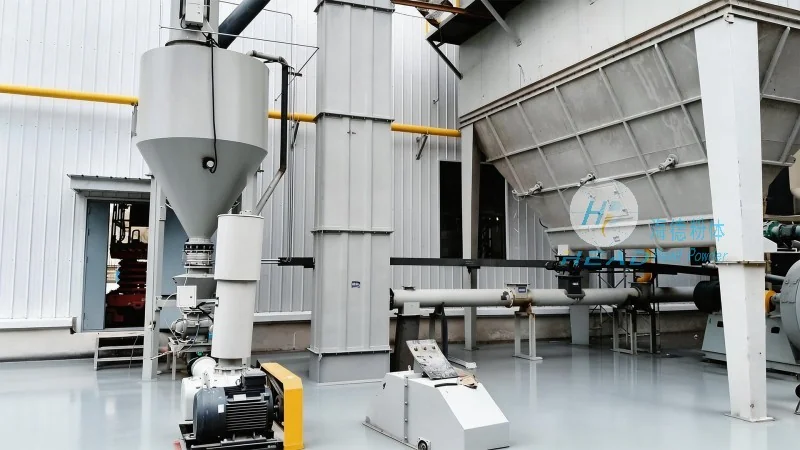
Common Refractory Material Conveying Methods
Several methods are commonly employed for transporting refractory materials, each with its own advantages and suitability for different applications. The primary options include belt conveyors, screw conveyors, and pneumatic (air) conveying systems. Each method addresses specific material characteristics and operational requirements, allowing manufacturers to choose the most suitable solution for their needs.
Belt Conveyors for Refractory Material Transport
Belt conveyors are one of the most widely used methods for refractory material conveying. These systems utilize a continuous belt, typically made of durable materials like rubber or synthetic fabrics, to move materials from one point to another. The design of belt conveyors can vary, with options including flat-belt, troughed-belt, and steep-angle conveyors, each tailored to handle different material types and slopes. For refractory materials, which may be abrasive or heavy, the belt and pulley components are often reinforced to withstand the rigors of continuous operation. Belt conveyors are particularly effective for transporting bulk quantities of materials over short to medium distances, making them ideal for applications such as raw material handling, batching, and feeding into processing equipment. The smooth operation of belt conveyors also helps in maintaining the integrity of the refractory material, preventing breakage or contamination that could occur with other methods.
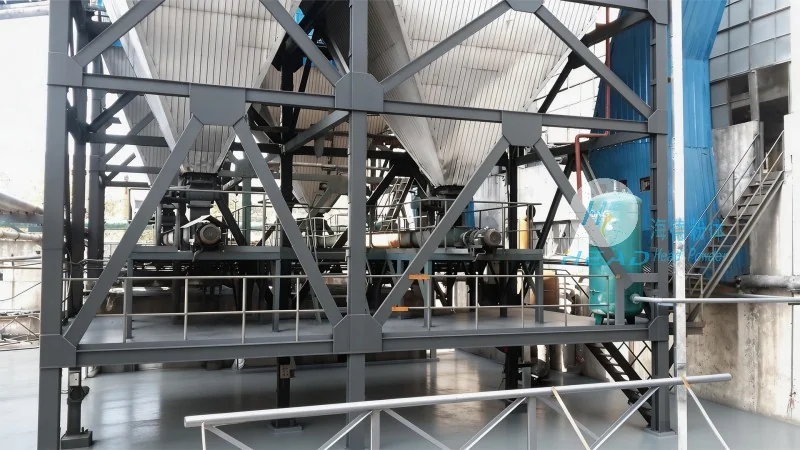
Screw Conveyors: A Versatile Option for Refractory Handling
Screw conveyors, also known as auger conveyors, are another popular choice for refractory material transport. These systems consist of a rotating screw (auger) enclosed in a trough or tube, which moves material through the system by pushing it along the screw's flight. Screw conveyors are highly versatile and can handle a wide range of refractory materials, from fine powders to larger chunks, depending on the design of the screw and the trough. They are particularly effective for vertical or inclined transport, as the screw can lift materials to elevated levels without the need for additional equipment. The enclosed design of screw conveyors also helps in controlling dust and preventing material loss, which is crucial for maintaining material quality and safety standards. For applications requiring precise control over material flow, screw conveyors offer adjustable speed and capacity settings, allowing for seamless integration into production lines.
Pneumatic Conveying: Air-Driven Solutions for Refractory Materials
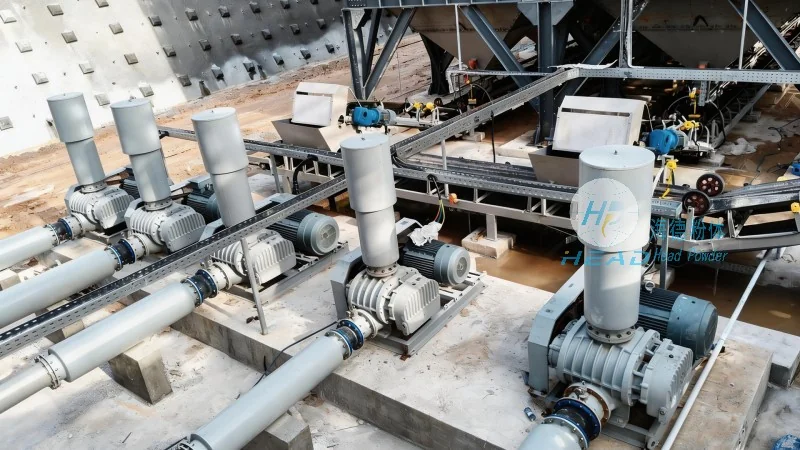
Pneumatic conveying systems use air or other gases to transport refractory materials through a network of pipes. This method is particularly suitable for handling fine powders or granules, as it can move materials over longer distances with minimal loss and contamination. Pneumatic systems are available in two main types: dilute-phase and dense-phase. Dilute-phase systems use high-velocity air to suspend and transport materials, while dense-phase systems use lower air velocities to push materials in a more compact form. The choice between these systems depends on the material's characteristics, such as particle size, density, and moisture content. Pneumatic conveying offers advantages such as the ability to transport materials vertically and horizontally, as well as the flexibility to integrate multiple conveying lines into a single system. However, it requires careful consideration of air pressure, flow rates, and material properties to ensure efficient operation and prevent system blockages or material degradation.
Choosing the Right Conveying Method: Factors to Consider
When selecting a refractory material conveying method, several factors must be taken into account to ensure optimal performance and cost-effectiveness. The first consideration is the physical properties of the refractory material itself, including its size, shape, density, and abrasiveness. For example, abrasive materials may require reinforced components in belt or screw conveyors to prevent wear and tear. The second factor is the distance and layout of the conveying system, as different methods are better suited for short, medium, or long-distance transport. The third consideration is the operational environment, such as the presence of dust, temperature, or moisture, which may impact the choice of materials and equipment. Additionally, the required capacity and speed of the conveying system, as well as the need for material control or processing, should be evaluated. By carefully assessing these factors, businesses can select the most appropriate conveying method that meets their specific requirements and enhances overall operational efficiency.
Conclusion: Tailoring Conveying Solutions for Refractory Materials
In conclusion, the choice of refractory material conveying method is a critical decision that impacts the efficiency and safety of industrial operations. Whether using belt conveyors, screw conveyors, or pneumatic systems, each method offers unique advantages and is suitable for different applications. The key to successful refractory material handling lies in understanding the material's characteristics and operational needs, and selecting a conveying system that addresses these requirements effectively. For businesses seeking reliable and efficient solutions for refractory material transport, Shandong HeadPowder Engineering Co., Ltd. provides specialized equipment and expertise to meet their needs. With a focus on quality and performance, HeadPowder offers tailored conveying systems that enhance productivity and ensure the integrity of refractory materials throughout the transport process.




