Sorghum wine lees, also known as distiller's grains from sorghum, are byproducts generated during the production of sorghum-based alcoholic beverages. Efficient and reliable conveying of these lees is crucial for downstream processing, such as drying, packaging, or further utilization. Various methods have been developed to handle the unique characteristics of sorghum wine lees, including their moisture content, particle size, and flowability. This article explores the primary methods used for sorghum wine lees conveying, highlighting their applications and operational considerations.
1. Mechanical Conveying Systems
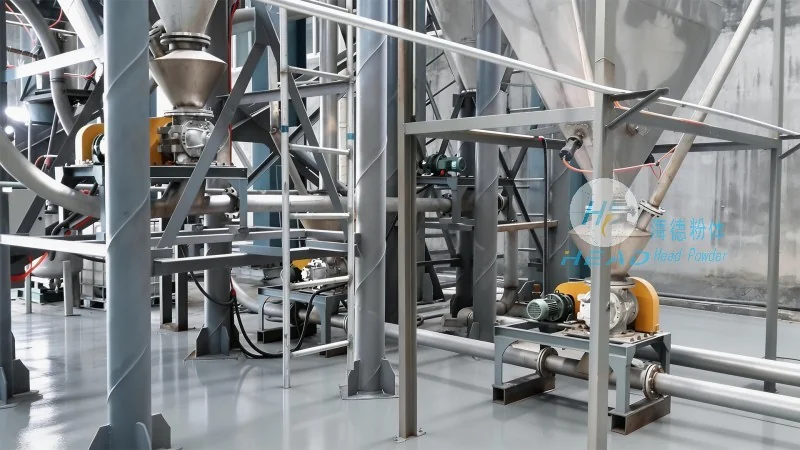
Mechanical conveying systems are among the most common approaches for transporting sorghum wine lees. These systems utilize mechanical components to move the material from one location to another. A key example is the screw conveyor, which is widely used due to its simplicity and effectiveness. Screw conveyors consist of a rotating helical screw inside a trough, which pushes the lees forward through the system. This method is particularly suitable for handling lees with moderate moisture content and relatively uniform particle sizes. The design of the screw, including its pitch and diameter, can be adjusted to optimize flow and reduce blockages. Additionally, belt conveyors are employed in some facilities, especially when longer distances or elevated transport is required. Belt conveyors use a continuous belt to carry the lees, often with side walls or buckets to prevent spillage. Both screw and belt conveyors are manufactured by companies like Shandong HeadPowder Engineering Co., Ltd., which specializes in providing customized conveying solutions tailored to the specific needs of sorghum wine lees processing.
2. Gravity Conveying Methods
Gravity conveying leverages the natural force of gravity to move sorghum wine lees between processing stages. This approach is often used in combination with other mechanical systems to create a more energy-efficient conveying process. One common method is the inclined chute, where the lees are allowed to flow down a sloped channel under the influence of gravity. The slope of the chute is carefully designed to ensure smooth flow without excessive velocity, which could cause material degradation or equipment wear. Gravity conveying is particularly advantageous when the lees have a relatively high moisture content and are prone to caking, as the gentle movement minimizes stress on the material. However, it is limited by the need for a suitable topography and the requirement that the material be free-flowing enough to move without assistance. In practice, gravity chutes are often integrated with screw or belt conveyors at the start or end of the conveying line to provide the necessary elevation change or initial push.
3. Air-Driven Conveying Systems
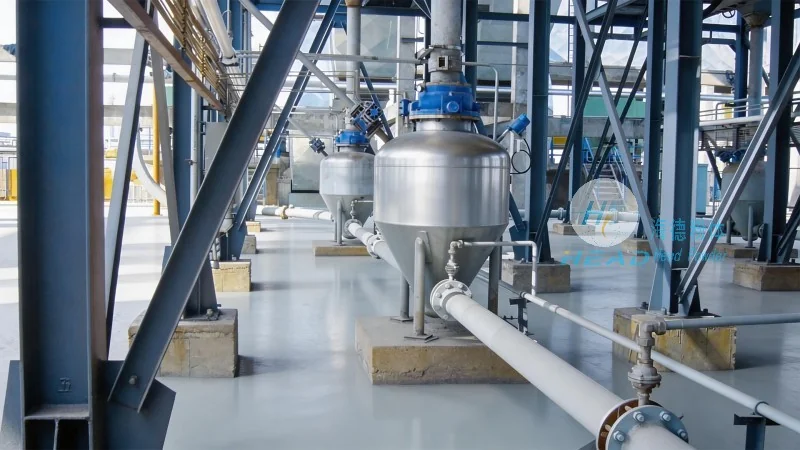
Air-driven or pneumatic conveying systems use compressed air to transport sorghum wine lees through a pipeline. This method is particularly effective for handling lees with high moisture content or those that are prone to caking, as the air flow helps to break up agglomerates and maintain a consistent flow rate. There are two main types of pneumatic conveying: positive displacement and pressure systems. Positive displacement systems use a pump to create a vacuum or pressure that draws or pushes the lees through the pipeline. These systems are capable of handling high volumes and can transport lees over long distances. Pressure systems, on the other hand, use compressed air to force the lees through the pipeline, which is often more suitable for shorter distances or when the lees are more free-flowing. The choice between these systems depends on factors such as the lees' moisture content, particle size distribution, and the required conveying distance. Air-driven systems are generally more complex and require more energy than mechanical or gravity methods, but they offer advantages in terms of flexibility and the ability to transport lees through vertical or horizontal sections without the need for additional equipment.
4. Hybrid Conveying Solutions
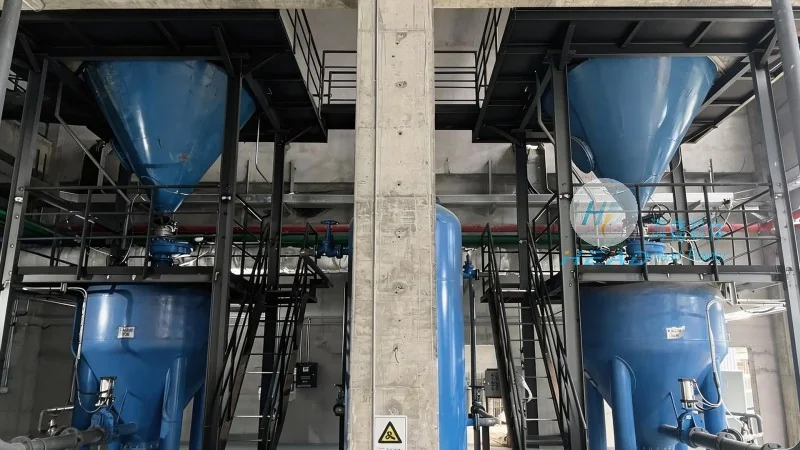
In many industrial settings, a single conveying method may not be sufficient to meet all the requirements of sorghum wine lees processing. As a result, hybrid systems that combine two or more of the above methods are increasingly common. For example, a facility might use a screw conveyor to transport lees from a storage bin to an inclined gravity chute, which then feeds into a pneumatic conveying line for final delivery to the drying unit. This hybrid approach allows for the optimization of each stage: the screw conveyor handles the initial transport with minimal energy, the gravity chute reduces the need for additional power while preventing material degradation, and the pneumatic system provides the necessary flexibility for long-distance or vertical transport. Shandong HeadPowder Engineering Co., Ltd. specializes in designing and manufacturing hybrid conveying systems that integrate these technologies, ensuring efficient and reliable operation for sorghum wine lees processing facilities.
5. Considerations for Selecting the Right Conveying Method
When selecting a conveying method for sorghum wine lees, several factors must be considered to ensure optimal performance and cost-effectiveness. First, the moisture content of the lees is a critical factor, as higher moisture levels can lead to caking and reduced flowability. Mechanical systems like screw conveyors are generally more suitable for drier lees, while pneumatic systems may be preferred for wetter lees due to their ability to break up agglomerates. Second, the particle size distribution of the lees affects the choice of equipment; finer particles may require more gentle handling to avoid blockages, while coarser particles can be handled more robustly. Third, the distance and elevation changes between processing stages are important considerations, as they determine whether a mechanical, gravity, or pneumatic system is most appropriate. Finally, the overall cost of the system, including initial investment and operational expenses, must be evaluated. Companies like Shandong HeadPowder Engineering Co., Ltd. provide comprehensive consultation services to help clients assess these factors and select the most suitable conveying method for their specific sorghum wine lees processing needs.




