

Principle of Fermentation Powder Pneumatic Conveying System
For those in the food processing and chemical industries, the efficient and reliable transport of fermentation powders is a critical operation. The pneumatic conveying system for fermentation powders, developed by Shandong HeadPowder Engineering Co., Ltd., represents a sophisticated solution that addresses the unique challenges of handling such materials. This article explores the fundamental principles behind this technology, detailing how it operates and the benefits it offers to industrial applications.
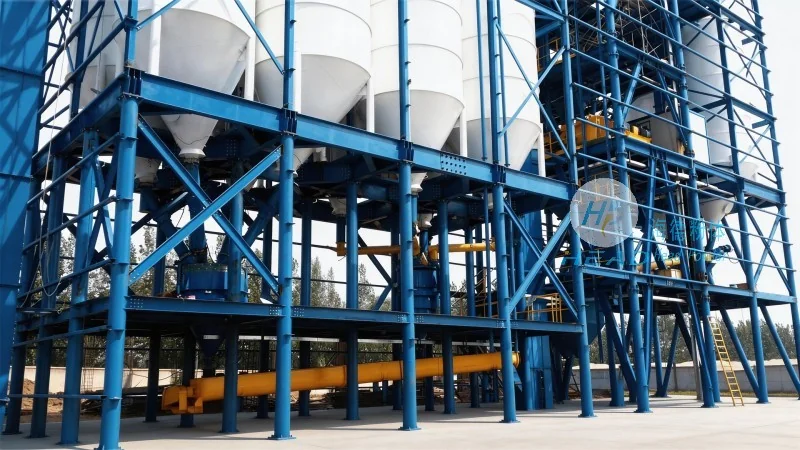
Understanding Pneumatic Conveying Systems
Pneumatic conveying systems utilize air or gas to transport bulk materials, such as fermentation powders, from one location to another. Unlike traditional mechanical conveying methods, which rely on belts, screws, or buckets, pneumatic systems offer a more flexible and often more hygienic approach. The core of the system consists of a series of components that work in tandem to create a controlled flow of material. These components typically include a hopper for material storage, a feeder to control the discharge rate, a conveying line, and a receiver for the material at its destination. The system operates by introducing air into the conveying line, creating a pressure differential that propels the powder particles through the system.
The Role of Air Pressure and Flow Rate
A key factor in the effectiveness of a pneumatic conveying system is the air pressure and flow rate. The system can operate under either positive or negative pressure, depending on the application. Positive pressure systems force air and material through the line, while negative pressure systems draw material into the line using a vacuum. The flow rate is carefully controlled to ensure that the powder particles are carried efficiently without causing excessive wear on the system components or clogging the line. Proper adjustment of these parameters is essential for maintaining consistent performance and preventing material degradation.
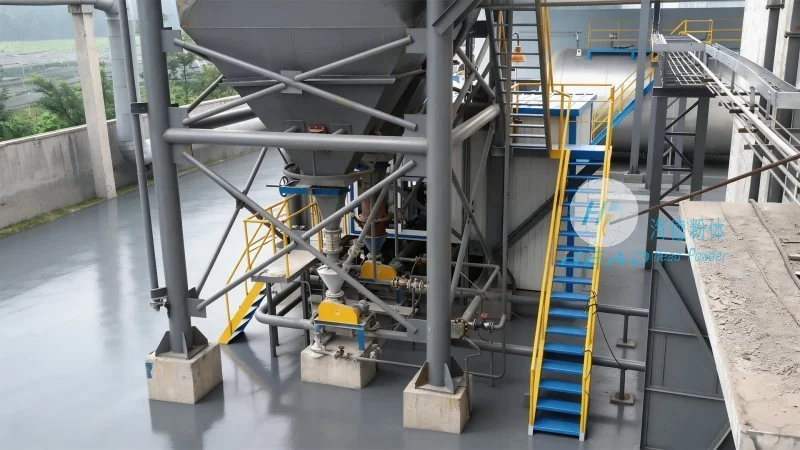
Components and Their Functions
Each component of the pneumatic conveying system plays a vital role in the overall operation. The hopper serves as the storage vessel, providing a consistent supply of fermentation powder to the feeder. The feeder, often a rotary valve or a mass flow controller, regulates the amount of material discharged into the conveying line, ensuring a steady flow rate. The conveying line itself is typically made of stainless steel or other corrosion-resistant materials to withstand the abrasive nature of fermentation powders. The receiver, located at the end of the line, collects the material and may include a dust collection system to prevent environmental contamination. Additionally, the system may include filters and cyclones to separate any fine particles from the air stream, ensuring clean air is returned to the environment.
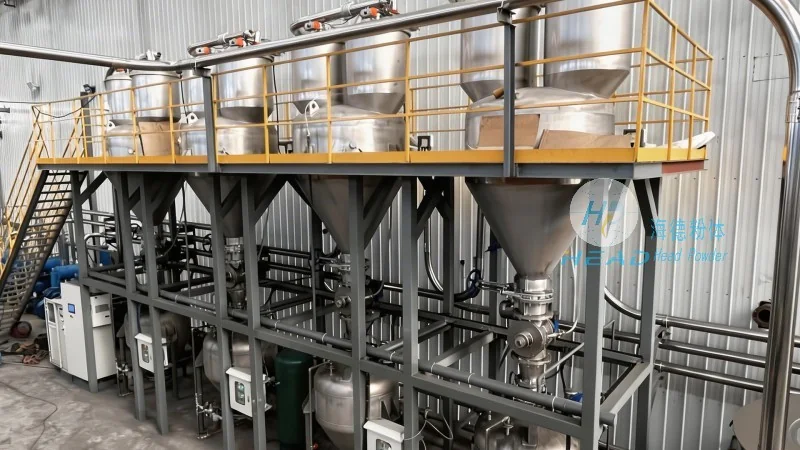
Advantages of Pneumatic Conveying for Fermentation Powders
Implementing a pneumatic conveying system for fermentation powders offers several advantages over traditional methods. First, it provides a hygienic and dust-free environment, which is crucial in food and pharmaceutical applications where contamination must be minimized. The enclosed system prevents the powder from coming into contact with external contaminants, maintaining product quality and safety. Second, it offers flexibility in terms of layout, as the conveying line can be installed in various configurations to suit the plant's design. This allows for efficient use of space and easy integration with existing equipment. Third, the system is highly efficient in terms of energy consumption, as it minimizes material handling losses and reduces the need for manual labor. Finally, the system is easy to maintain and clean, with components that can be disassembled and sanitized regularly to meet regulatory standards.
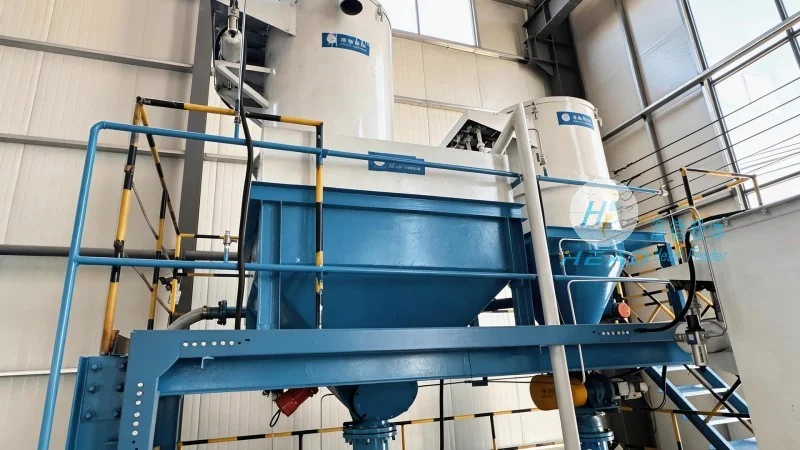
Applications and Industries
The pneumatic conveying system for fermentation powders is widely used in various industries, including food processing, pharmaceuticals, and chemical manufacturing. In the food industry, it is commonly used to transport ingredients such as yeast, sugar, and flour in bakeries and breweries. In pharmaceutical applications, it is used to handle active pharmaceutical ingredients (APIs) and other powders that require strict control over purity and contamination. The system is also used in chemical plants to transport catalysts, pigments, and other powders that are sensitive to moisture or air exposure. The versatility of the system makes it suitable for a wide range of applications, from small-scale operations to large industrial facilities.
Conclusion
Shandong HeadPowder Engineering Co., Ltd. has developed a reliable and efficient pneumatic conveying system for fermentation powders that leverages advanced technology to meet the demands of modern industrial applications. By understanding the principles of air pressure, flow rate, and component design, this system provides a hygienic, flexible, and energy-efficient solution for transporting bulk materials. The system's ability to maintain product quality and safety, while reducing operational costs, makes it an attractive choice for companies in the food, pharmaceutical, and chemical industries. As the demand for efficient material handling continues to grow, the pneumatic conveying system remains a critical component in ensuring the smooth operation of industrial processes.