

Principle of Iron Sulfate Pneumatic Conveying System
Iron sulfate, a crucial chemical compound widely used in water treatment, industrial processes, and other applications, often requires efficient and reliable transportation methods. The pneumatic conveying system, particularly for iron sulfate, offers a solution that combines effectiveness with operational advantages. This article delves into the fundamental principles of such a system, highlighting its design, functionality, and the key factors that contribute to its successful implementation.
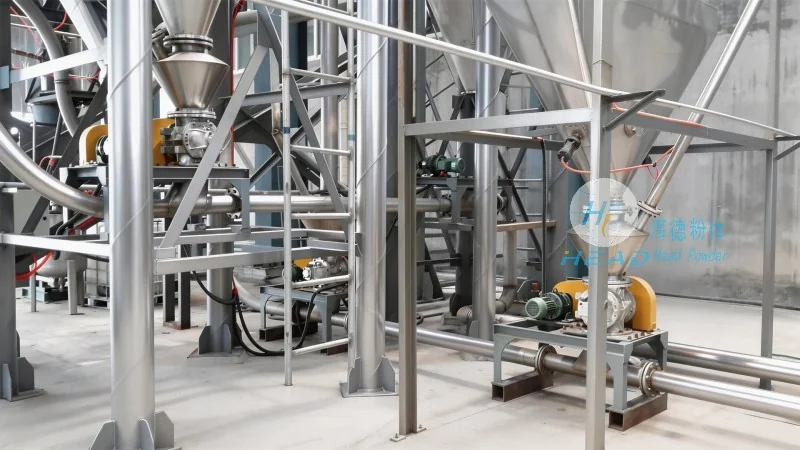
Company Overview: Shandong HeadPowder Engineering Co., Ltd.
HeadPowder, a leading engineering company based in Shandong, China, specializes in the design, manufacturing, and installation of advanced material handling systems. With a focus on innovation and customer-centric solutions, HeadPowder has established itself as a trusted partner in the chemical and industrial sectors. The company’s expertise in pneumatic conveying technology, including systems for iron sulfate, reflects its commitment to delivering high-quality, efficient solutions tailored to client needs.
Core Components of a Pneumatic Conveying System for Iron Sulfate
The pneumatic conveying system for iron sulfate typically consists of several critical components that work in tandem to ensure smooth material transport. These include the hopper or feeder, which stores and feeds the iron sulfate; the air compressor or blower, which generates the necessary air pressure; the conveying line, which transports the material; and the receiver or discharge unit, where the material is collected. Each component plays a vital role in maintaining the system’s efficiency and reliability.
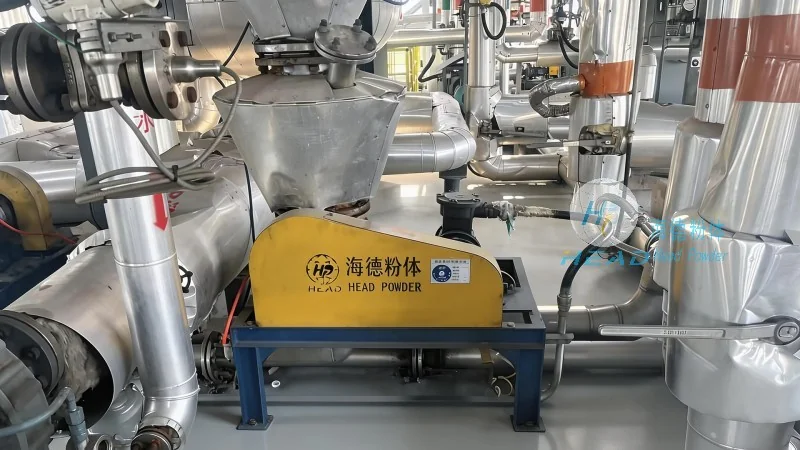
Working Principle of the Pneumatic Conveying Process
The operation of the iron sulfate pneumatic conveying system is based on the principle of air movement and material suspension. When the air compressor operates, it forces air through the conveying line at a high velocity. This airflow creates a negative pressure or positive pressure environment, depending on the system design, which draws the iron sulfate particles into the line. The particles are then suspended in the air stream and transported to the destination. The system’s efficiency depends on factors such as air velocity, particle size, and the system’s layout.
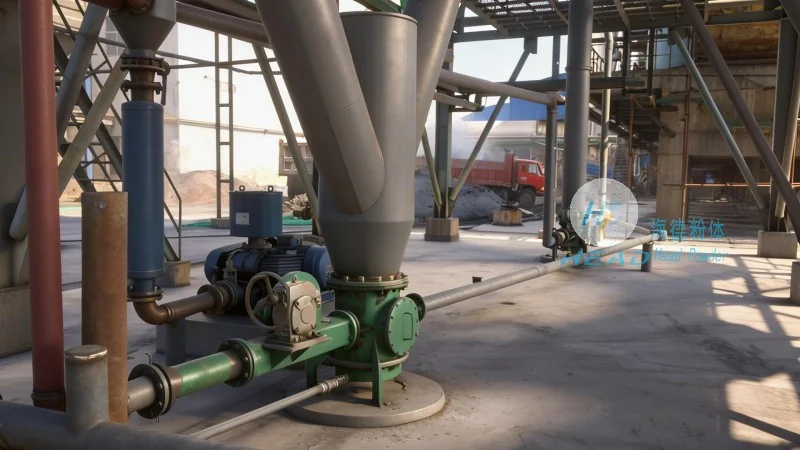
Advantages of Using a Pneumatic Conveying System for Iron Sulfate
Implementing a pneumatic conveying system for iron sulfate offers several advantages over traditional methods like belt conveyors or bucket elevators. These benefits include reduced labor costs, as the system automates the material handling process; improved safety, as it eliminates manual handling of potentially hazardous materials; and enhanced product quality, as the system minimizes material degradation and contamination. Additionally, the system can be designed to handle varying material flow rates and can be integrated with other industrial processes, providing flexibility and scalability.
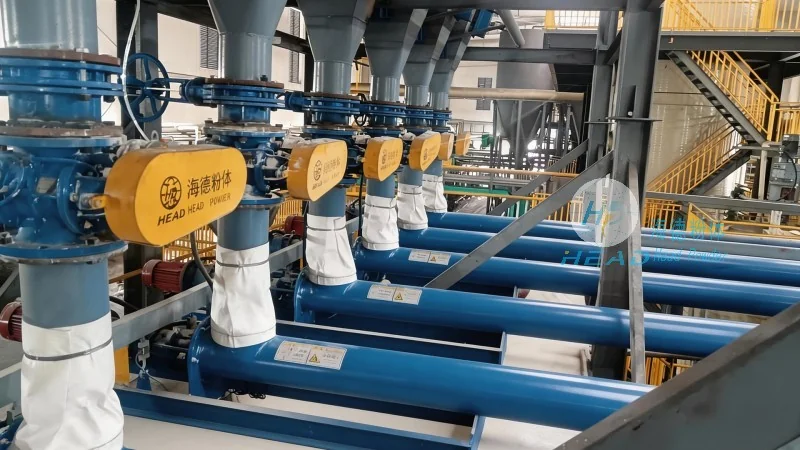
Design Considerations for Optimal Performance
Designing an effective pneumatic conveying system for iron sulfate requires careful consideration of several factors. The system’s layout must be optimized to minimize pressure losses and ensure consistent airflow. The choice of air compressor or blower is critical, as it must provide sufficient pressure and volume to handle the material’s characteristics. Material properties, such as particle size, density, and moisture content, also influence the system’s design. Additionally, the system must be equipped with appropriate controls and monitoring devices to ensure safe and efficient operation.
Applications and Industries Served
The iron sulfate pneumatic conveying system is widely used in various industries, including water treatment, chemical manufacturing, and industrial processing. In water treatment facilities, the system efficiently transports iron sulfate for coagulation and flocculation processes, helping to purify water by removing impurities. In chemical manufacturing, it facilitates the handling of iron sulfate in production lines, ensuring smooth material flow and process continuity. The system’s adaptability makes it suitable for a range of applications where reliable and efficient material transport is essential.