When it comes to industrial material handling, the efficient and reliable transport of small materials is a critical aspect of many production processes. The choice of conveying method can significantly impact operational efficiency, cost-effectiveness, and product quality. This article provides a detailed comparison of common small material conveying methods, focusing on their applications, advantages, and limitations. The information is presented by Shandong HeadPowder Engineering Co., Ltd., a leading manufacturer in the field of material handling equipment.
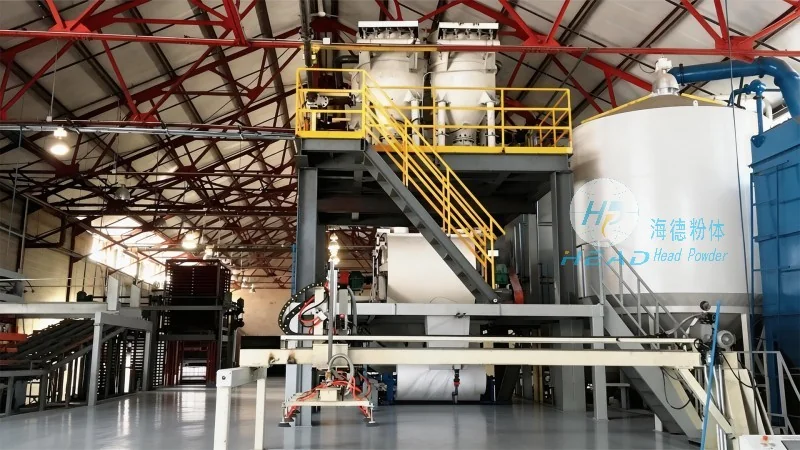
Introduction to Small Material Conveying Methods
Small material conveying refers to the process of transporting granular, powdery, or small particulate materials from one location to another within an industrial setting. These materials can range from fine powders like cement or flour to small pellets or granules used in manufacturing. The selection of an appropriate conveying system depends on factors such as material characteristics, required throughput, distance, and environmental conditions. Below, we explore several widely used small material conveying methods, analyzing their suitability for different applications.
1. Screw Conveyors (Auger Conveyors)
Screw conveyors, also known as auger conveyors, are among the most common and versatile small material conveying systems. They consist of a rotating helical screw blade (screw) enclosed within a U-shaped or cylindrical trough. As the screw rotates, it pushes material forward along the trough, effectively transporting it from the inlet to the outlet. This method is particularly effective for handling dry, free-flowing materials that are not too abrasive or sticky. The design allows for vertical or inclined transport, making it suitable for applications where space is limited or elevation changes are required. Screw conveyors are widely used in industries such as food processing, pharmaceuticals, and chemical manufacturing. They offer advantages like simplicity, low maintenance, and the ability to handle a wide range of materials. However, they may not be suitable for highly abrasive or corrosive materials, as the screw and trough can wear out quickly. Additionally, they have a relatively low capacity compared to other methods, which may limit their use in high-throughput applications.
2. Vibrating Conveyors
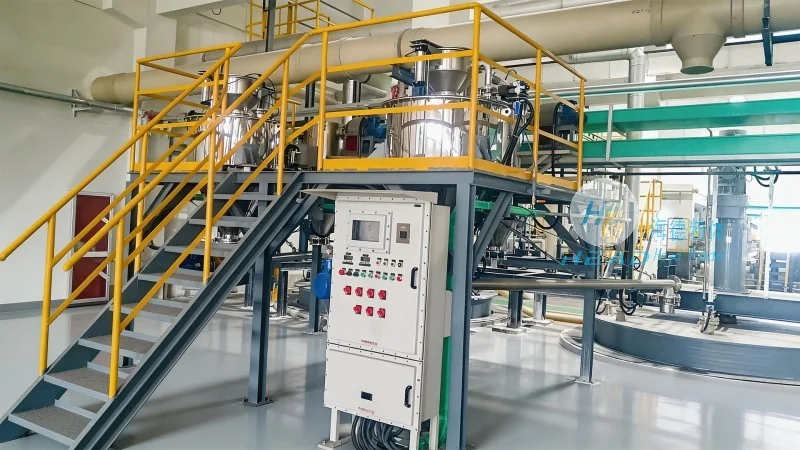
Vibrating conveyors utilize a vibratory motion to move small materials along a conveyor bed. The system typically consists of a trough supported by vibration motors or an unbalanced rotor, which causes the trough to vibrate at a specific frequency and amplitude. This vibration causes the material to move forward due to the forces of gravity and the conveyor's motion. Vibrating conveyors are ideal for transporting bulk materials that are free-flowing or slightly sticky, such as coal, minerals, or agricultural products. They are particularly effective for handling materials that are prone to bridging or clogging, as the vibration helps to break up clumps and ensure smooth flow. These conveyors are often used in mining, power generation, and food processing industries. The main advantages include high capacity, low power consumption, and the ability to handle a wide variety of materials, including those with high moisture content. However, they may not be suitable for very fine powders, as the vibration can cause dust and particle separation. Additionally, the maintenance of the vibration mechanism can be more complex compared to other systems.
3. Pneumatic Conveying Systems
Pneumatic conveying systems use air or other gases to transport small materials through a pipeline. These systems can be categorized into two main types: pressure and vacuum. In pressure systems, air is forced through the pipeline at high pressure, pushing the material forward. In vacuum systems, a vacuum is created at the receiving end, drawing the material through the pipeline. Pneumatic conveying is highly effective for transporting fine powders, granules, and small particles over long distances. It is commonly used in industries such as pharmaceuticals, food processing, and chemical manufacturing, where contamination control and dust-free transport are critical. The main advantages include the ability to transport materials in a closed system, reducing dust and environmental impact, and the flexibility to handle materials with different properties. Pneumatic systems can also be used for vertical transport, making them suitable for applications where elevation changes are required. However, they have higher energy consumption compared to other methods, and the cost of the system can be higher due to the need for air compressors or vacuum pumps. Additionally, the system may not be suitable for very abrasive or corrosive materials, as the pipeline can wear out quickly.
4. Belt Conveyors
Belt conveyors are a classic and widely used method for transporting small materials, particularly in bulk handling applications. They consist of a continuous belt that runs over rollers or pulleys, with the material placed on top of the belt. As the belt moves, it transports the material from the loading point to the discharge point. Belt conveyors are suitable for a wide range of materials, including granular, powdery, and even some sticky materials. They are commonly used in mining, construction, and agricultural industries. The main advantages include high capacity, low maintenance, and the ability to transport materials over long distances. Belt conveyors can also be customized with different belt materials and trough designs to handle specific material characteristics. However, they may not be suitable for very fine powders, as the material can easily fall off the belt or cause the belt to slip. Additionally, the system requires regular maintenance of the belt and rollers, and the initial cost can be higher compared to other methods.
5. Bucket Elevators
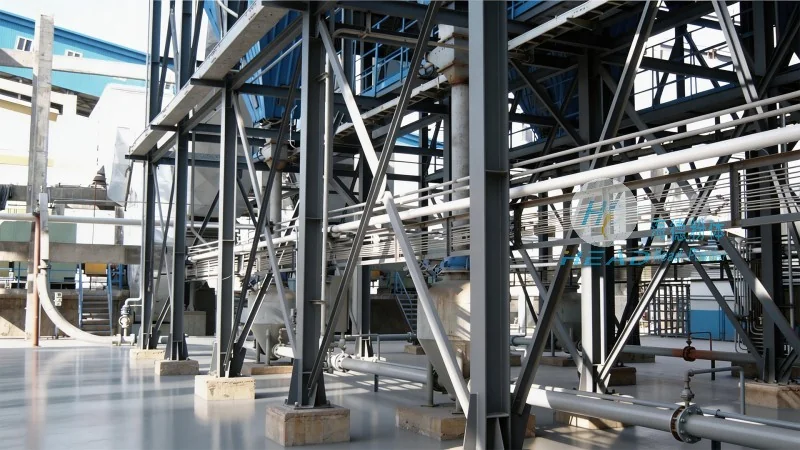
Bucket elevators are a specialized type of conveyor used for vertical or steeply inclined transport of small materials. They consist of a series of buckets attached to a chain or belt, which moves up and down inside a vertical or inclined casing. As the buckets pass through the top of the casing, they pick up material and carry it to the top, where it is discharged. Bucket elevators are ideal for transporting materials that are prone to bridging or clogging, such as coal, minerals, or agricultural products. They are commonly used in industries such as mining, power generation, and food processing. The main advantages include high capacity, low power consumption, and the ability to handle materials with high moisture content or high abrasiveness. Bucket elevators are also relatively simple in design and require less maintenance compared to other vertical transport systems. However, they may not be suitable for very fine powders, as the buckets can cause material separation and dust. Additionally, the system can be noisy and may require additional safety measures due to the vertical movement of the buckets.
Conclusion and Recommendations
Selecting the right small material conveying method is crucial for optimizing industrial operations. The choice should be based on a thorough analysis of the material characteristics, required throughput, distance, and environmental considerations. Screw conveyors are a good choice for simple, low-capacity applications with dry, free-flowing materials. Vibrating conveyors are ideal for high-capacity, low-maintenance applications with bulk materials. Pneumatic conveying systems are suitable for fine powders and materials requiring dust-free transport. Belt conveyors are versatile and suitable for a wide range of materials over long distances. Bucket elevators are best for vertical transport of bulk materials. Shandong HeadPowder Engineering Co., Ltd. offers a range of material handling solutions tailored to these needs, ensuring efficient and reliable material transport for various industrial applications.




