As a critical agricultural commodity, soybeans require efficient and reliable conveying systems to support processing, storage, and distribution. The choice of conveying method directly impacts operational efficiency, product quality, and cost-effectiveness. This article provides a comprehensive comparison of common soybean conveying methods, focusing on their applications, advantages, and limitations. The insights are presented by Shandong HeadPowder Engineering Co., Ltd., a professional material handling solutions provider based in China.
Gravity Conveying Systems
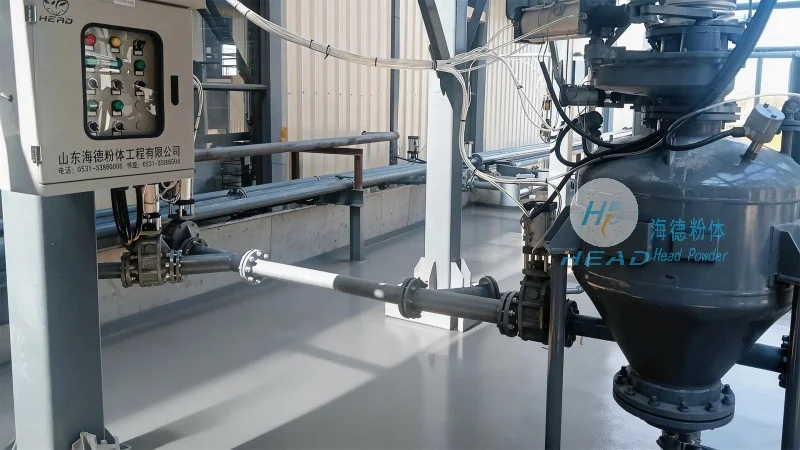
Gravity conveying utilizes the natural force of gravity to move soybeans along inclined chutes or troughs. This method is suitable for short to medium distances where the material can be guided by a gentle incline. A key advantage is its low operational cost and minimal energy consumption, as no motors or additional power sources are required. However, the effectiveness of gravity systems is constrained by the angle of the incline and the size of the soybeans; larger or irregularly shaped beans may experience blockages or uneven flow. The system is most appropriate for facilities with existing inclines or where space limitations prevent the use of mechanical equipment.
Belt Conveyor Systems
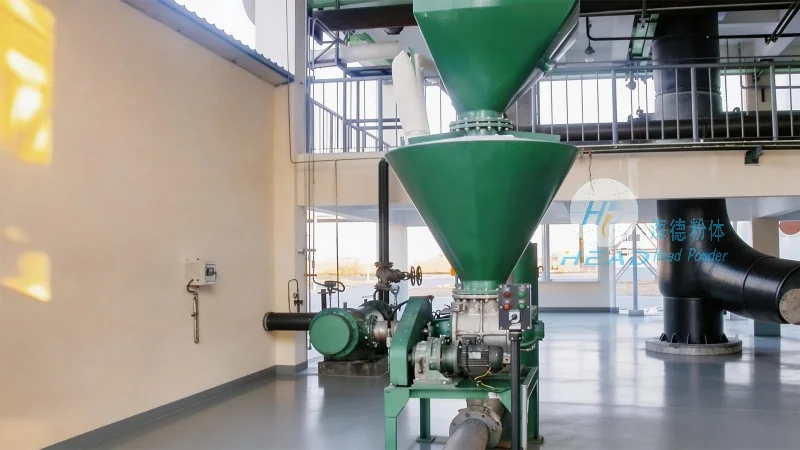
Belt conveyors are among the most widely adopted methods for transporting soybeans due to their versatility and high capacity. These systems feature a continuous belt looped over rollers, with soybeans placed on the belt surface. The belt moves at a controlled speed, enabling efficient movement over long distances, both horizontally and at moderate inclines. Belt conveyors can handle large volumes of soybeans, making them ideal for processing plants, storage facilities, and distribution centers. A significant advantage is their ability to transport materials with minimal damage, as the beans are not subjected to excessive pressure or friction. However, they require regular maintenance, including belt tension adjustments and roller replacements, to ensure smooth operation. The initial investment and ongoing maintenance costs may be higher compared to simpler systems, but their durability and reliability make them a preferred choice for many operations.
Screw Conveyor Systems
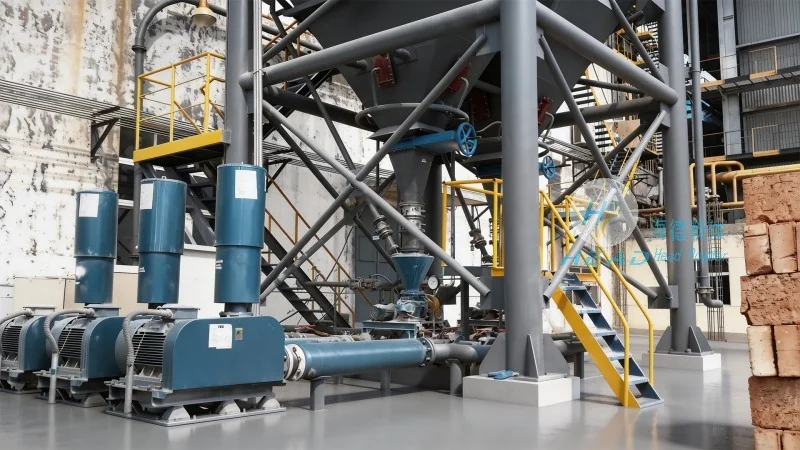
Screw conveyors, also known as auger conveyors, employ a rotating helical screw to move soybeans through a cylindrical tube. This method is particularly effective for vertical or inclined transport, as the screw can lift and move materials against gravity. Screw conveyors are compact and can be installed in tight spaces, making them suitable for facilities with limited floor area. They are also well-suited for handling small to medium-sized soybeans, as the screw design prevents blockages caused by larger particles. The main advantage is their ability to handle a wide range of materials, including those with varying moisture content. However, screw conveyors may cause more wear and tear on the beans compared to belt systems, potentially affecting their quality. They are commonly used in processing lines where the beans need to be elevated or moved through processing stages, such as cleaning or drying.
Air Conveying Systems
Air conveying, or pneumatic conveying, uses compressed air to transport soybeans through a pipeline. This method is especially effective for handling dry, lightweight, or fragile materials, as the beans are carried by the air flow rather than direct contact with the conveying system. Air conveyors can move soybeans over long distances with minimal loss of quality, and they are less prone to contamination compared to other systems. The primary advantage is their ability to transport materials in a closed system, which helps maintain hygiene and prevent dust or moisture from entering the environment. However, air conveying requires a significant amount of energy to operate the air compressor, and the system may be less efficient for very large or heavy soybeans. The cost of the equipment and the need for regular maintenance of the air filtration system are additional considerations. Air conveyors are often used in facilities where dust control and product purity are critical, such as in food processing or packaging operations.
Comparative Analysis and Recommendations
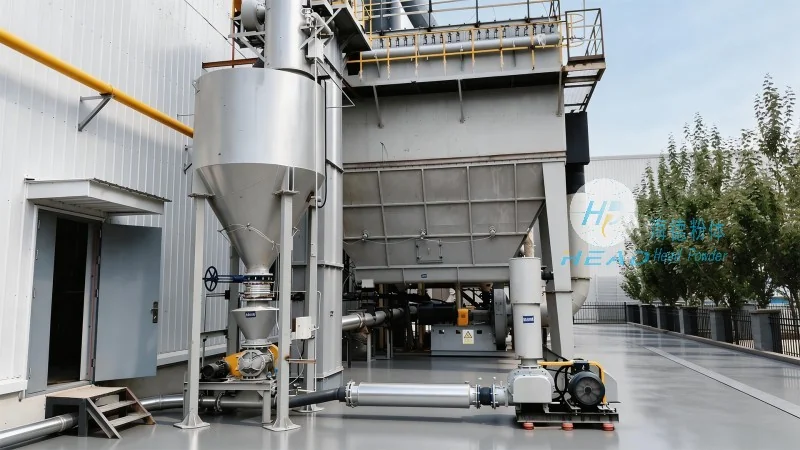
When selecting a soybean conveying method, several factors must be considered, including the distance to be covered, the volume of material, the size and shape of the beans, and the available space. Gravity systems are best for short distances and low volumes, while belt conveyors excel in long-distance and high-volume applications. Screw conveyors are ideal for vertical or inclined transport in compact spaces, and air conveyors are preferred for dust control and fragile materials. The choice ultimately depends on the specific operational requirements and budget constraints of the facility. Shandong HeadPowder Engineering Co., Ltd. offers customized conveying solutions tailored to these needs, ensuring optimal performance and efficiency for soybean handling operations.




