Fertilizer is a critical input in modern agriculture, and the efficiency of its transport directly impacts crop yields and agricultural productivity. Various methods are employed to move fertilizers from production sites to farms, each with distinct advantages and considerations. This article provides a detailed comparison of common fertilizer transport methods, highlighting their characteristics, applications, and suitability for different scenarios.
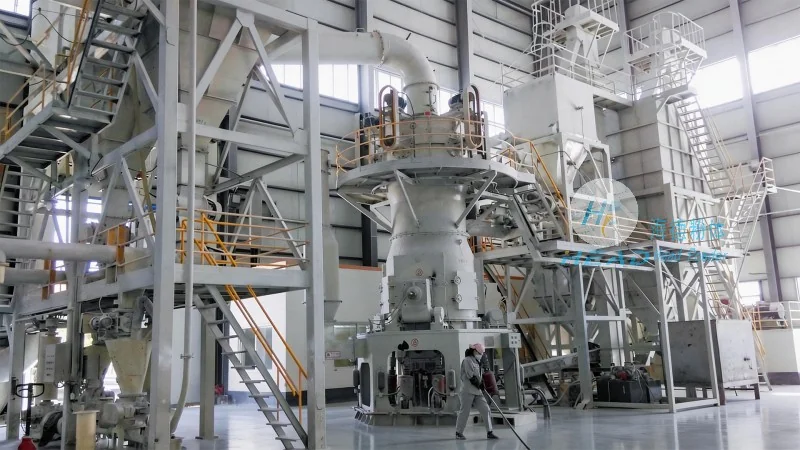
1. Pipeline Transport: The Most Efficient Bulk Method
Pipeline transport is widely regarded as the most efficient and cost-effective method for large-scale fertilizer movement, especially for liquid fertilizers like urea solution or liquid manure. This method involves pumping fertilizers through underground or above-ground pipelines, which can cover long distances with minimal human intervention. The system typically includes storage tanks, pumps, and control valves to regulate flow and pressure. For solid fertilizers, pneumatic conveying systems may be used, where air or gas is used to move granules through pipes. This method reduces labor costs, minimizes product loss, and ensures consistent delivery, making it ideal for large agricultural operations and industrial fertilizer plants.
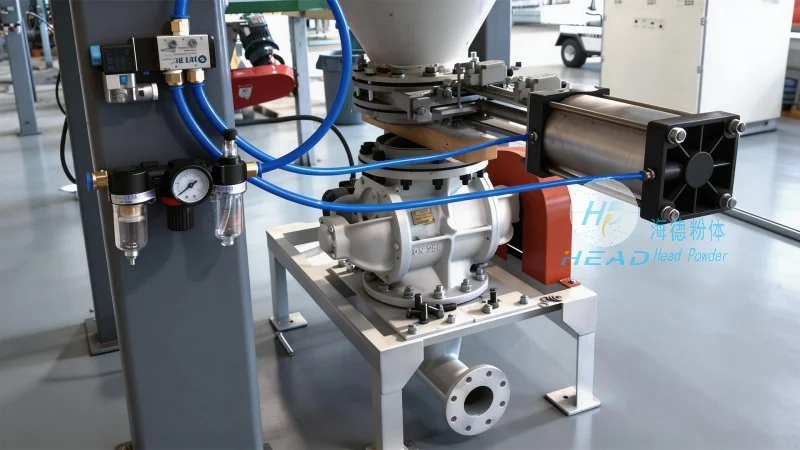
2. Tank Truck Transport: Flexibility for Medium-Scale Deliveries
Tank truck transport is a flexible and widely used method for moving liquid fertilizers over medium to long distances. These specialized trucks are equipped with insulated or temperature-controlled tanks to maintain the fertilizer's quality, especially for products like nitrogen solutions that are sensitive to temperature changes. The trucks can be loaded at production facilities and delivered directly to farms or distribution centers. This method offers advantages such as on-demand delivery, ability to reach remote areas, and the capacity to transport various types of liquid fertilizers. However, it requires careful management of truck schedules, maintenance, and compliance with safety regulations to prevent spills or leaks.
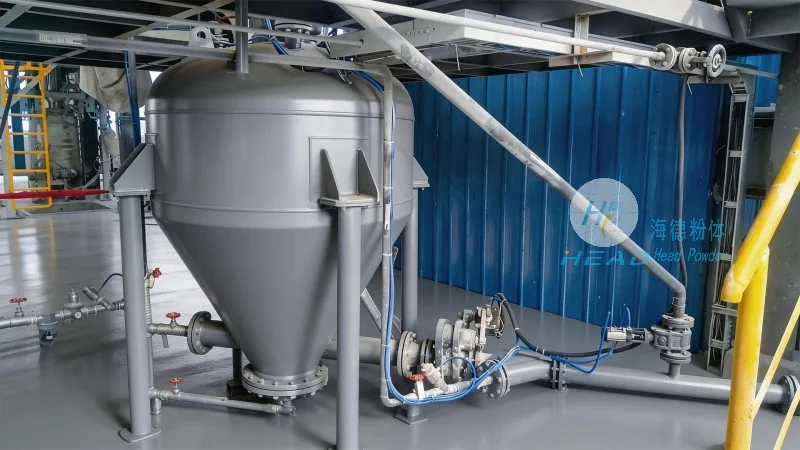
3. Tank Container Transport: International and Long-Distance Shipping
Tank container transport is commonly used for international fertilizer trade and long-distance shipping of bulk liquid fertilizers. Tank containers are large, standardized containers (typically 20 or 40 feet in length) that can be loaded onto trucks, trains, or ships. They are designed for efficient handling and transportation, with features like pressure relief valves and temperature monitoring systems. This method is ideal for companies like Shandong HeadPowder Engineering Co., Ltd., which may engage in exporting fertilizers to global markets. The use of standardized containers facilitates seamless intermodal transport, reducing handling time and costs. However, it involves higher initial investment in containers and requires adherence to international shipping regulations and safety standards.
4. Bulk Bag (FIBC) Transport: Versatile for Solid Fertilizers
Bulk bag transport is a common method for moving solid fertilizers in bulk quantities. These flexible intermediate bulk containers (FIBCs) are made of durable materials like polypropylene and are designed to hold large volumes of granular or powdered fertilizers. They are loaded at production sites and transported by trucks or railcars to distribution centers or farms. Bulk bags offer advantages such as easy handling, reduced packaging waste, and the ability to transport a wide range of solid fertilizers, including nitrogen, phosphorus, and potassium compounds. This method is particularly suitable for smaller to medium-sized farms that require regular deliveries of solid fertilizers. The bags can be discharged through bottom spouts or top openings, ensuring efficient unloading and minimizing product spillage.
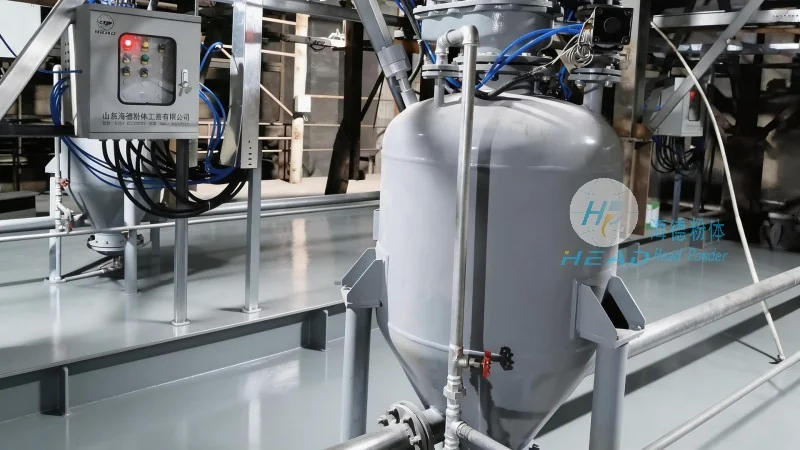
5. Comparing the Methods: Choosing the Right Option
When selecting a fertilizer transport method, several factors must be considered, including the type of fertilizer (liquid or solid), the scale of operation, distance to be covered, and budget constraints. Pipeline transport is optimal for large-scale, continuous delivery of liquid fertilizers. Tank truck transport provides flexibility for medium-scale deliveries and on-demand service. Tank container transport is ideal for international trade and long-distance shipping. Bulk bag transport is versatile for solid fertilizers and suitable for various farm sizes. Companies like Shandong HeadPowder Engineering Co., Ltd. may employ a combination of these methods to meet diverse customer needs, ensuring efficient and reliable fertilizer delivery. The choice of method ultimately depends on the specific requirements of the agricultural operation and the logistical capabilities of the fertilizer producer.




