When it comes to efficiently transporting wood chips in industrial settings, selecting the right conveying method is crucial for optimizing workflow, reducing operational costs, and ensuring safety. Shandong HeadPowder Engineering Co., Ltd., a leading manufacturer based in Shandong, China, offers a range of solutions tailored to meet diverse wood chip handling needs. This article provides a detailed comparison of common wood chip conveying methods, highlighting their advantages, limitations, and suitability for various applications.
1. Screw Conveyors (Auger Conveyors)
Screw conveyors, also known as auger conveyors, are one of the most widely used methods for transporting wood chips. These systems consist of a rotating helical screw inside a trough or tube, which moves material from the inlet to the outlet through a combination of friction and gravity. The design is simple, making it easy to install and maintain. Screw conveyors are particularly effective for horizontal or slightly inclined transport, and they can handle a wide range of chip sizes and moisture content. However, they may not be suitable for long vertical lifts or when high material velocity is required. The compact design of screw conveyors also makes them ideal for confined spaces, and they can be integrated with other processing equipment seamlessly. Shandong HeadPowder Engineering Co., Ltd. specializes in manufacturing high-quality screw conveyors that are durable and efficient, ensuring reliable performance in wood chip processing facilities.
2. Pneumatic Conveying Systems
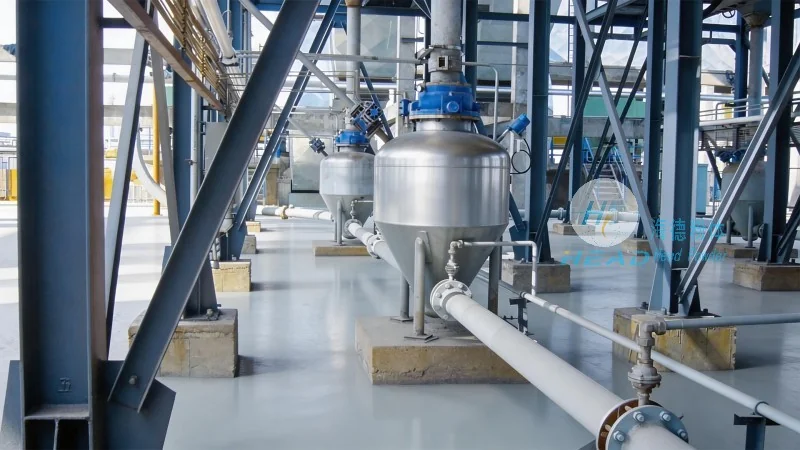
Pneumatic conveying systems use air or other gases to transport wood chips through a pipeline. This method is highly effective for both short and long distances, and it can handle fine or coarse chips with minimal degradation. There are two main types of pneumatic conveying: pressure and vacuum. Pressure systems push material through the pipeline using positive pressure, while vacuum systems draw material in using negative pressure. Pneumatic conveying offers advantages such as the ability to transport materials over long distances without the need for multiple transfer points, and it can be integrated with other equipment like dryers or classifiers. However, it requires a significant amount of energy to operate, and the system must be well-sealed to prevent air leakage. Additionally, the cost of installation and maintenance can be higher compared to other methods. Shandong HeadPowder Engineering Co., Ltd. provides advanced pneumatic conveying solutions that are energy-efficient and reliable, suitable for applications where dust control and material cleanliness are critical.
3. Belt Conveyors
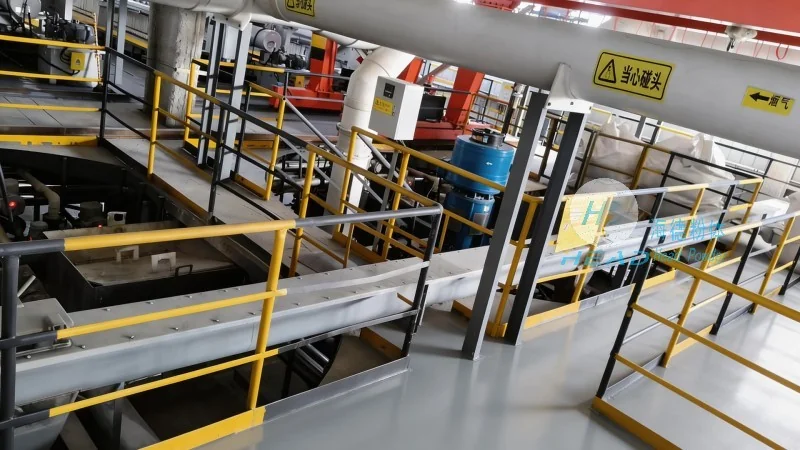
Belt conveyors are another common method for transporting wood chips, especially in large-scale operations. These systems use a continuous belt that moves over rollers or idlers to transport material from one point to another. Belt conveyors are ideal for horizontal and inclined transport over long distances, and they can handle a high volume of material. They are particularly effective when transporting chips from a storage area to a processing unit or for moving material through a production line. The design is robust and can withstand heavy loads, making it suitable for industrial environments. However, belt conveyors require regular maintenance to ensure the belt remains in good condition and to prevent slippage or wear. They also occupy more space compared to other methods, which may be a limitation in smaller facilities. Shandong HeadPowder Engineering Co., Ltd. manufactures durable belt conveyor systems that are designed for long-term performance, ensuring consistent and efficient wood chip transport in various industrial settings.
4. Hydraulic Conveyors
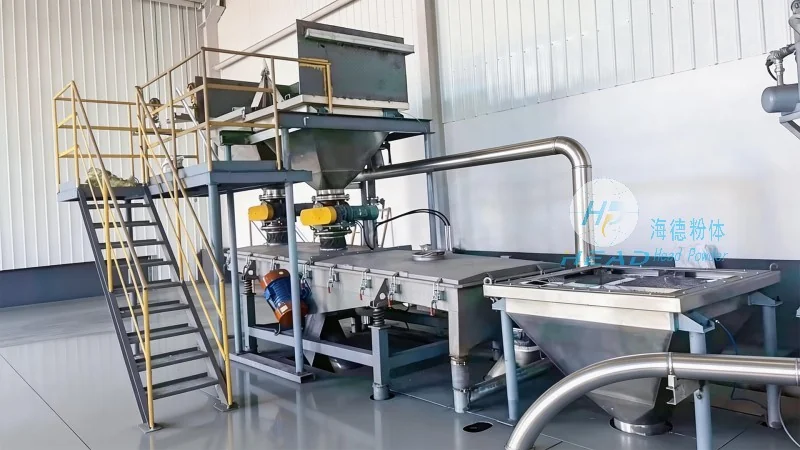
Hydraulic conveyors use water or other fluids to transport wood chips through a pipeline. This method is particularly useful for transporting chips in wet conditions or when the material is very fine. The system consists of a pump that moves the fluid and the chips together through a hose or pipe. Hydraulic conveyors are effective for both horizontal and vertical transport, and they can handle a wide range of chip sizes and moisture levels. However, they require a significant amount of water, which may not be suitable for all applications. The system also needs regular maintenance to prevent clogging and ensure smooth operation. Hydraulic conveyors are often used in applications where other methods may not be feasible, such as in the transportation of wet wood chips from a sawmill to a processing plant. Shandong HeadPowder Engineering Co., Ltd. offers specialized hydraulic conveying solutions that are efficient and reliable, tailored to meet the specific needs of wood chip processing operations.
5. Chain and Flight Conveyors
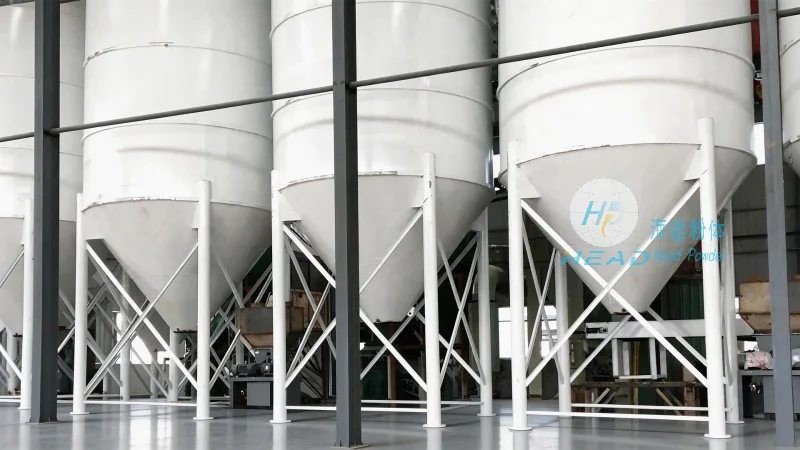
Chain and flight conveyors are similar to screw conveyors but use a chain with flights attached to transport material. These systems are often used for vertical or steeply inclined transport, as the flights prevent material from falling back. They are particularly effective for handling heavy or abrasive wood chips, as the chain and flights can withstand the impact and wear. Chain and flight conveyors are also suitable for transporting chips over long distances and can be integrated with other equipment like screens or classifiers. However, they require more maintenance than other methods due to the moving parts and the risk of wear and tear. The initial cost of installation can also be higher compared to simpler systems. Shandong HeadPowder Engineering Co., Ltd. provides high-quality chain and flight conveyors that are durable and efficient, ensuring reliable performance in demanding wood chip processing environments.
6. Comparison and Selection Criteria
When selecting a wood chip conveying method, several factors should be considered, including the distance to be covered, the volume of material, the size and moisture content of the chips, the available space, and the budget. Screw conveyors are a good choice for short horizontal transport and are cost-effective. Pneumatic conveying is ideal for long distances and when material cleanliness is important. Belt conveyors are suitable for high-volume, long-distance horizontal transport. Hydraulic conveyors are effective for wet or fine chips. Chain and flight conveyors are best for vertical or steeply inclined transport of heavy chips. Shandong HeadPowder Engineering Co., Ltd. recommends evaluating these factors carefully and choosing the method that best aligns with the specific requirements of the wood chip processing operation. By selecting the right conveying system, industrial facilities can improve efficiency, reduce costs, and enhance overall productivity.




