

What is Rice Pneumatic Conveying? And What Are Its Design Principles?
Understanding the technology behind rice pneumatic conveying is crucial for industries dealing with rice processing and handling. This article delves into the fundamental aspects of rice pneumatic conveying, exploring what it entails and the core design principles that govern its operation.
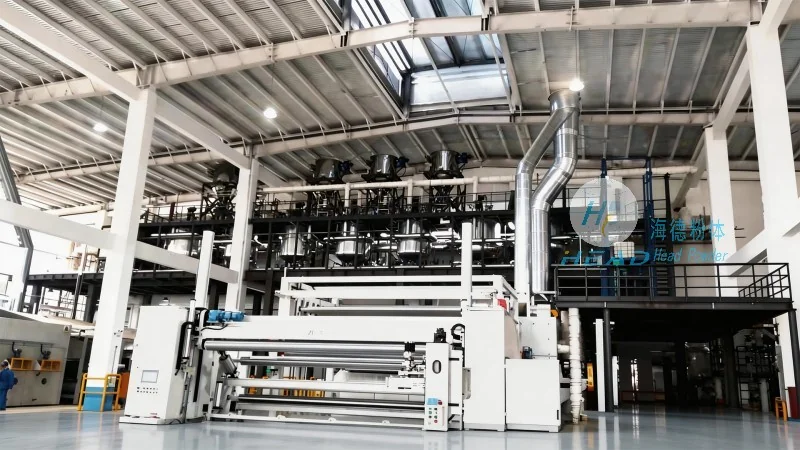
What is Pneumatic Conveying for Rice?
Rice pneumatic conveying is a method of transporting rice and other granular materials using a stream of air or gas. Unlike traditional mechanical conveyors, this system relies on the force of air to move the product through a pipeline. The process involves creating a pressure differential within the system, which draws the rice particles into the conveying line and propels them to the desired destination. This technology is widely used in rice mills, storage facilities, and processing plants due to its efficiency and ability to handle delicate grains without damage.
Key Design Principles of Rice Pneumatic Conveying Systems
The design principles of rice pneumatic conveying systems are centered around optimizing airflow, pressure, and particle movement to ensure reliable and efficient transport. Key factors include the selection of appropriate air velocity, which must be sufficient to lift and move the rice particles while minimizing particle degradation. The system's design also considers the material's density, size, and moisture content, as these properties influence the required air pressure and flow rate. Additionally, the layout of the conveying line, including the number and placement of inlets, outlets, and bends, is critical for maintaining consistent performance and preventing blockages or pressure losses.
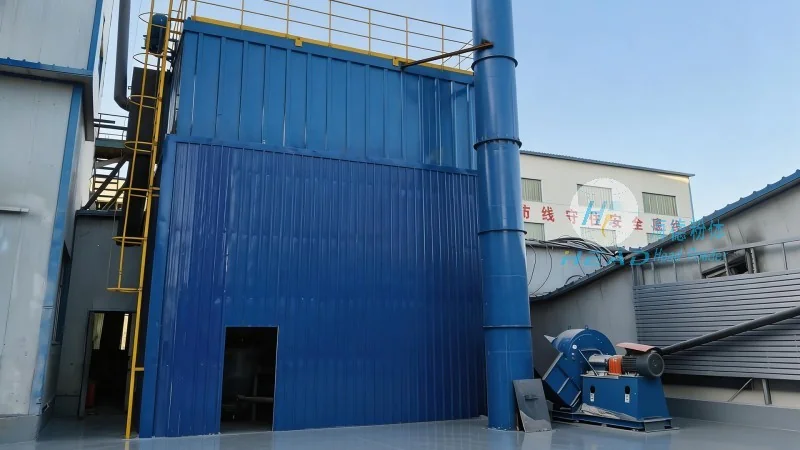
Components and Working Mechanism
A typical rice pneumatic conveying system consists of several key components, each playing a vital role in the overall operation. The primary components include a blower or air compressor, which generates the necessary airflow; a hopper or feed bin, where rice is stored and fed into the system; a conveying line (usually made of metal or flexible tubing); and a receiver or discharge hopper, where the rice is collected at the end of the line. The working mechanism begins when rice is discharged from the hopper into the conveying line. The blower then creates a low-pressure zone in the line, causing the rice to be drawn in and carried by the air stream. As the rice travels through the line, it may encounter bends, filters, or other components that help maintain flow and prevent clogging. The system's design ensures that the rice particles are suspended in the air stream, moving smoothly to the receiver without excessive friction or impact.
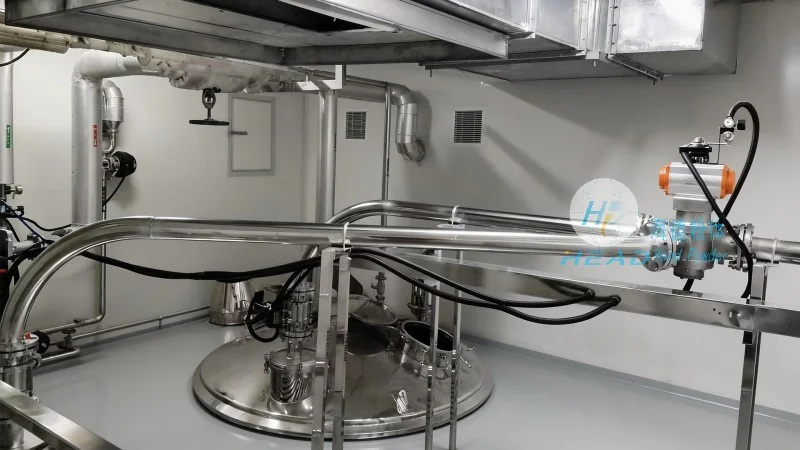
Benefits of Using Rice Pneumatic Conveying Systems
Implementing rice pneumatic conveying systems offers numerous benefits for rice processing operations. One of the most significant advantages is the ability to handle delicate rice grains without causing breakage or damage, which is essential for maintaining product quality. Unlike mechanical conveyors, pneumatic systems can transport rice over long distances with minimal energy consumption, making them cost-effective for large-scale operations. Additionally, these systems are highly flexible, allowing for easy integration into existing processing lines and adaptation to changing production needs. The enclosed nature of the conveying line also helps prevent contamination from dust, moisture, or other environmental factors, ensuring the rice remains clean and safe for consumption. Furthermore, pneumatic conveying systems are relatively low-maintenance, with fewer moving parts compared to traditional conveyors, reducing downtime and operational costs.
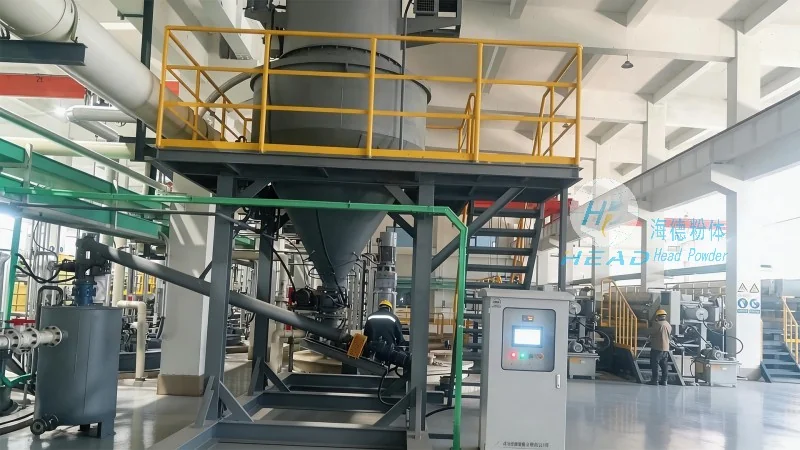
Application Scenarios and Practical Considerations
Rice pneumatic conveying systems are widely applied in various stages of rice processing, from raw material handling to final product packaging. In rice mills, these systems are used to transport rice from storage silos to processing equipment, such as hullers and polishers. In storage facilities, they help move rice between different storage areas or to loading docks for distribution. The technology is also used in rice processing plants to convey rice from cleaning and sorting stages to packaging lines. When implementing such systems, several practical considerations must be taken into account. First, the system's capacity must be matched to the production volume to avoid bottlenecks or underutilization. Second, the design must account for the specific characteristics of the rice being handled, such as grain size and moisture content, to ensure optimal performance. Third, regular maintenance and monitoring are essential to prevent issues like clogging or pressure drops that could disrupt operations. Additionally, the system's layout should be planned to minimize the number of bends and changes in direction, as these can increase pressure losses and reduce efficiency. By carefully considering these factors, rice processing facilities can maximize the benefits of pneumatic conveying and improve overall operational efficiency.
About HeadPowder: Your Partner in Pneumatic Conveying Solutions
HeadPowder, or Shandong HeadPowder Engineering Co., Ltd., is a leading provider of pneumatic conveying solutions tailored to the rice industry. With a focus on innovation and customer-centric design, HeadPowder specializes in developing customized rice pneumatic conveying systems that meet the unique needs of rice processing operations. The company's expertise lies in understanding the specific challenges of rice handling, such as grain fragility and varying moisture levels, and designing systems that address these challenges effectively. HeadPowder's team of engineers and technicians work closely with clients to assess their requirements, conduct feasibility studies, and provide tailored solutions that enhance efficiency and product quality. The company's commitment to quality and reliability has made it a trusted partner for rice mills and processing facilities across China, including locations in Shandong and other major rice-producing regions. By leveraging advanced technology and years of industry experience, HeadPowder ensures that its pneumatic conveying systems deliver optimal performance and contribute to the success of its clients' operations.