When it comes to transporting dry stone powder, selecting the right conveying method is crucial for efficiency, cost-effectiveness, and operational safety. Different industries, such as construction, mining, and manufacturing, have specific requirements that influence the choice of equipment. This article provides a detailed comparison of common dry stone powder conveying methods, focusing on their applications, advantages, and limitations. The information is presented by Shandong HeadPowder Engineering Co., Ltd., a leading provider of material handling solutions based in China.
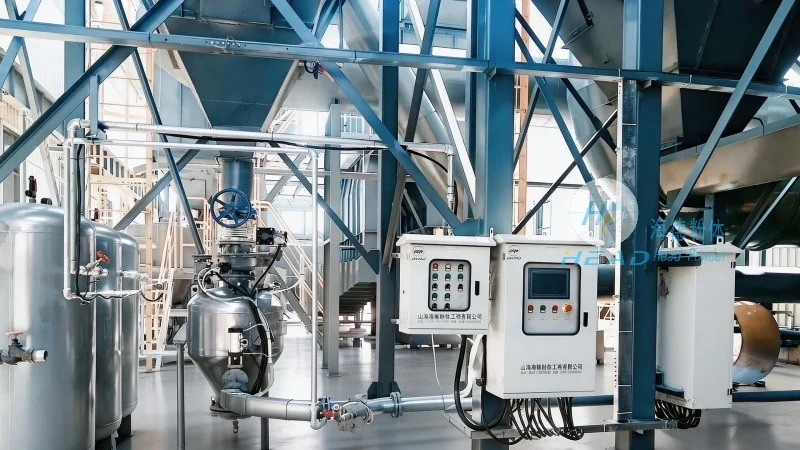
1. Air-Driven Pneumatic Conveying Systems
Pneumatic conveying, or air-driven systems, are widely used for dry stone powder due to their ability to transport materials over long distances and through vertical or horizontal paths. These systems use compressed air to move powder through a pipeline network. There are two main types: pressure and vacuum systems. Pressure systems are suitable for short to medium distances and can handle high volumes, while vacuum systems are ideal for long-distance or difficult-to-reach areas. The primary advantage of pneumatic conveying is its ability to handle fine powders without the need for mechanical components that might cause contamination or wear. However, they require significant energy input and can be less efficient for very fine or abrasive powders. Shandong HeadPowder Engineering Co., Ltd. specializes in designing customized pneumatic conveying solutions tailored to the specific characteristics of dry stone powder, ensuring optimal performance and reliability.
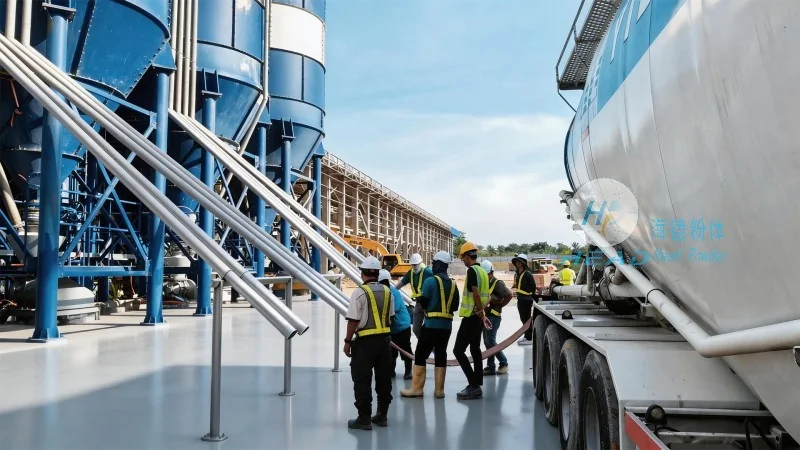
2. Screw Conveyors for Dry Stone Powder
Screw conveyors, also known as auger conveyors, are another popular choice for dry stone powder transport. These systems consist of a rotating screw inside a tube or trough, which moves material along the length of the conveyor. Screw conveyors are particularly effective for horizontal or slightly inclined applications and are suitable for handling bulk materials with moderate to high moisture content. They are relatively simple in design, making them cost-effective and easy to maintain. The main advantage of screw conveyors is their ability to handle a wide range of particle sizes and shapes, including irregularly shaped stones. However, they may not be suitable for very fine powders, as the screw can cause excessive friction and wear. Additionally, screw conveyors are limited in vertical lift capacity compared to pneumatic systems. Shandong HeadPowder Engineering Co., Ltd. offers screw conveyor systems that are engineered to minimize wear and maximize efficiency, ensuring consistent performance for dry stone powder applications.
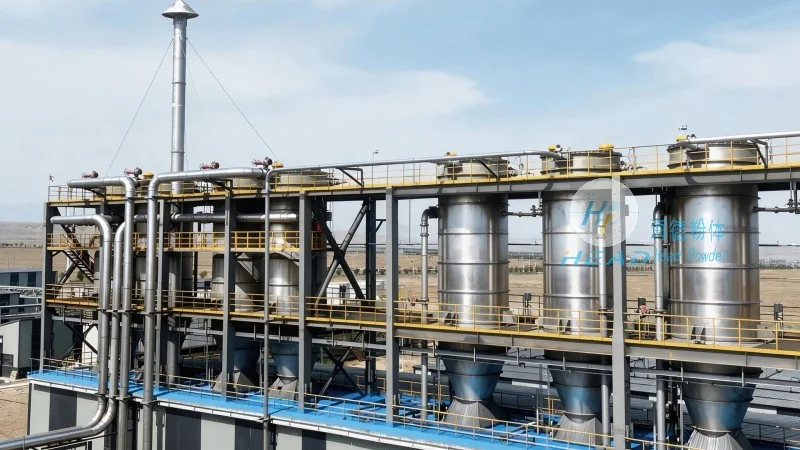
3. Belt Conveyors for Bulk Material Handling
Belt conveyors are a versatile and widely used method for transporting dry stone powder, especially in large-scale operations. These systems use a continuous belt that moves material from one point to another. Belt conveyors are ideal for horizontal and slightly inclined transport over long distances and can handle high volumes of material. They are particularly effective for transporting larger, heavier particles of stone powder. The main advantage of belt conveyors is their high capacity and low maintenance requirements. However, they require a level or gently sloped surface and may not be suitable for fine powders that could cause the belt to slip or degrade. Belt conveyors are also susceptible to damage from abrasive materials, which can lead to increased wear and replacement costs. Shandong HeadPowder Engineering Co., Ltd. provides customized belt conveyor solutions that are designed to handle the specific characteristics of dry stone powder, ensuring durability and long-term performance.
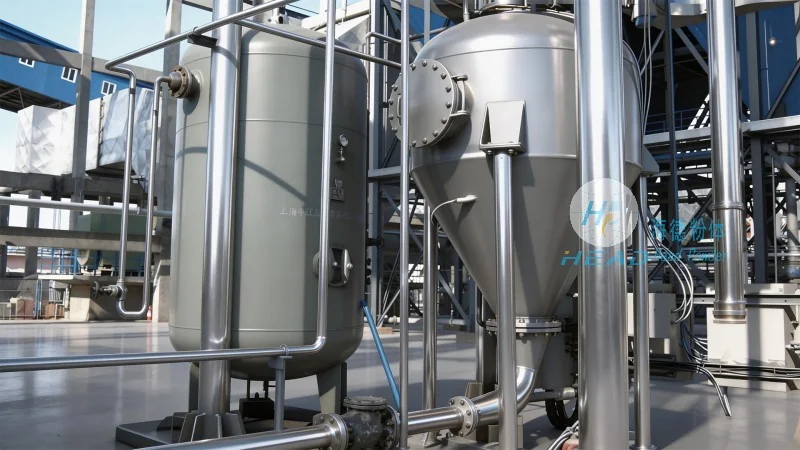
4. Comparison of Conveying Methods
When selecting a conveying method for dry stone powder, several factors must be considered, including the material's properties, the distance to be covered, and the required throughput. Pneumatic conveying is best suited for fine powders and long-distance transport, while screw conveyors are ideal for moderate to high volumes and horizontal transport. Belt conveyors are preferred for large-scale operations and heavy materials. The choice of system also depends on the available space, energy costs, and maintenance requirements. Shandong HeadPowder Engineering Co., Ltd. offers comprehensive material handling solutions that consider all these factors, ensuring the most suitable conveying method is selected for each application. By understanding the strengths and limitations of each method, businesses can optimize their operations and reduce costs associated with material transport.




