When it comes to handling and transporting magnesium oxide (MgO), selecting the right conveying method is crucial for efficiency, safety, and cost-effectiveness. As a key component in various industrial applications, the proper method ensures minimal material degradation, reduced downtime, and optimal performance. This article provides a detailed comparison of common magnesium oxide conveying methods, highlighting their advantages, limitations, and suitable applications.
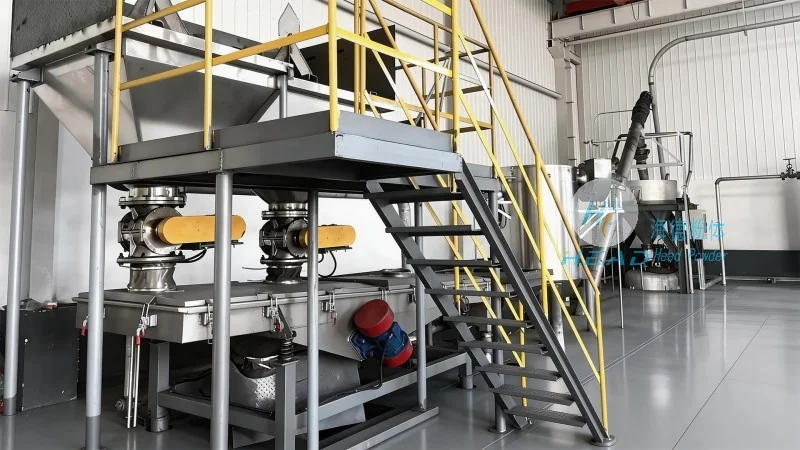
Company Overview: Shandong HeadPowder Engineering Co., Ltd.
Shandong HeadPowder Engineering Co., Ltd., commonly known as headpowder, is a leading provider of material handling solutions. With a strong focus on innovation and customer satisfaction, headpowder specializes in designing and manufacturing advanced conveying systems for various industrial materials, including magnesium oxide. Headpowder's expertise lies in understanding the unique challenges associated with handling fine powders and bulk materials, offering tailored solutions that meet the specific needs of clients across different industries.
1. Pneumatic Conveying Systems
Pneumatic conveying, also known as air-based conveying, is a widely used method for transporting magnesium oxide. This technique involves using compressed air to move the material through a pipeline. There are two main types: pressure and vacuum systems. Pressure systems are suitable for long-distance and high-volume transport, while vacuum systems are ideal for shorter distances and more delicate materials. The primary advantages of pneumatic conveying include high speed, low maintenance, and the ability to handle fine powders without degradation. However, it requires a significant amount of energy and may not be suitable for very abrasive or large particles. For magnesium oxide, which is often a fine powder, pneumatic conveying can be an efficient choice, especially when dealing with large quantities over long distances.
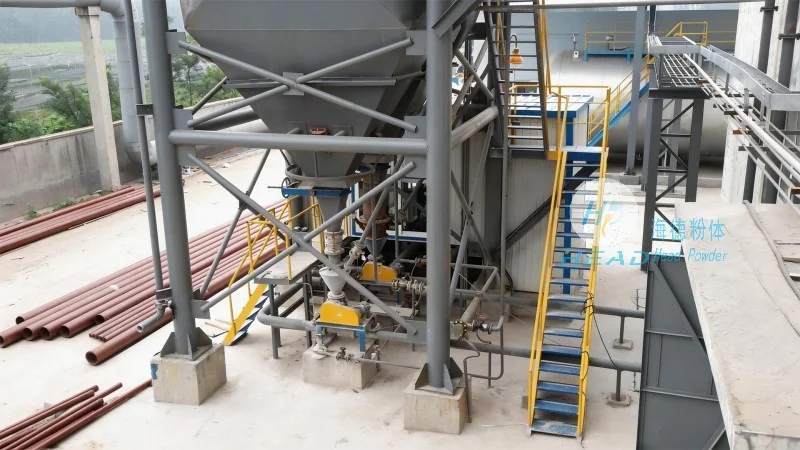
2. Screw Conveyors
Screw conveyors, or auger conveyors, are another common method for transporting magnesium oxide. These systems use a rotating screw (auger) to move material along a trough. Screw conveyors are particularly effective for handling bulk materials and can be used in both horizontal and inclined configurations. They are known for their simplicity, low cost, and ability to handle a wide range of particle sizes. The main benefits include minimal space requirements, low maintenance, and the ability to mix or blend materials during transport. However, screw conveyors may not be suitable for very fine powders or materials that are prone to caking, as the screw can cause friction and potential degradation. For magnesium oxide, which is typically a fine powder, screw conveyors may require additional measures to prevent caking, such as adding moisture or using anti-caking agents.
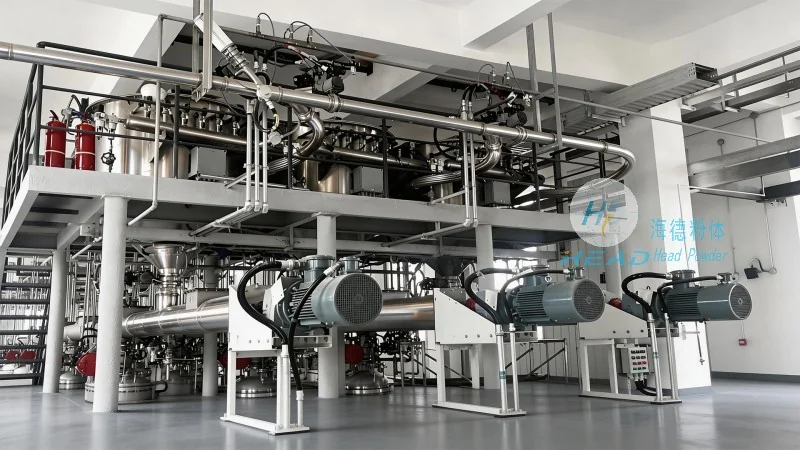
3. Belt Conveyors
Belt conveyors are widely used in material handling for various industries, including the transportation of magnesium oxide. These systems consist of a continuous belt that moves over rollers or pulleys, transporting the material from one point to another. Belt conveyors are suitable for both horizontal and inclined transport and can handle a wide range of material types and sizes. The primary advantages include high capacity, long-distance transport, and the ability to handle abrasive materials without significant wear. However, belt conveyors require more space and maintenance compared to other methods, and they may not be ideal for very fine powders that can cause dust accumulation. For magnesium oxide, belt conveyors are often used in bulk handling applications, such as in mining or construction, where large quantities need to be moved over long distances.
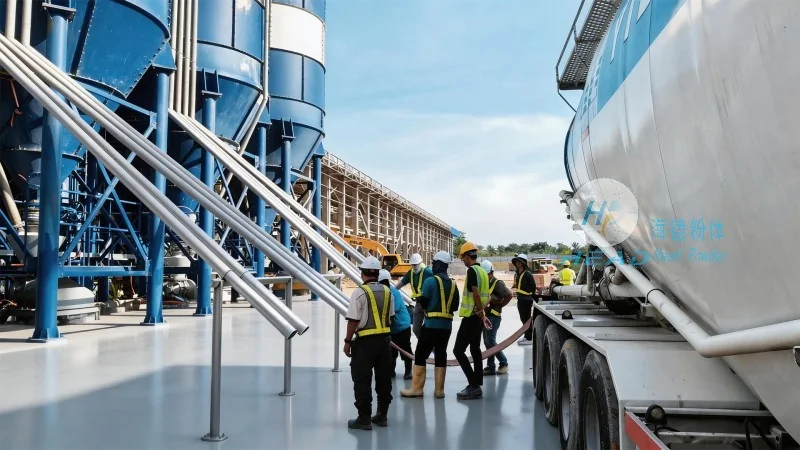
4. Bucket Elevators
Bucket elevators are vertical conveying systems that use a series of buckets attached to a chain or belt to lift and transport materials. These systems are particularly effective for vertical transport and can handle both fine and coarse powders. The main advantages include high vertical lift capacity, low energy consumption, and the ability to handle abrasive materials. However, bucket elevators have limitations in terms of horizontal transport and may not be suitable for very fine powders that can cause clogging. For magnesium oxide, which is often a fine powder, bucket elevators may require special design considerations to prevent clogging and ensure smooth operation. They are commonly used in applications where vertical transport is necessary, such as in storage silos or processing plants.
Conclusion: Choosing the Right Conveying Method for Magnesium Oxide
Selecting the appropriate conveying method for magnesium oxide depends on several factors, including the material's properties, the required transport distance, and the desired efficiency. Pneumatic conveying is ideal for long-distance and high-volume transport, while screw and belt conveyors are suitable for bulk handling and horizontal transport. Bucket elevators are best for vertical transport. Shandong HeadPowder Engineering Co., Ltd. (headpowder) offers customized conveying solutions tailored to these needs, ensuring optimal performance and minimal material degradation. By understanding the advantages and limitations of each method, industrial operators can make informed decisions to enhance their material handling processes and improve overall productivity.




