Seasoning conveyance is a critical process in the food and beverage industry, ensuring efficient and hygienic transfer of various spices, herbs, and flavorings from storage to production lines. The choice of conveying method significantly impacts operational efficiency, product quality, and overall production costs. This article provides a detailed comparison of common seasoning conveying methods, highlighting their advantages, limitations, and suitable applications.
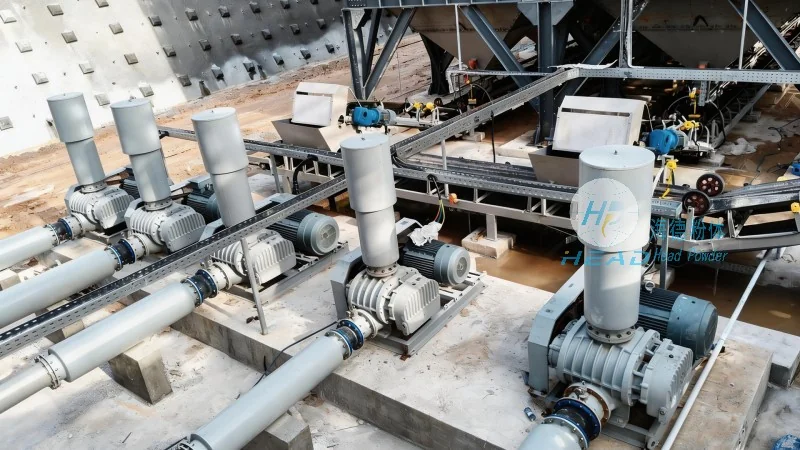
Gravity Conveying Systems
Gravity conveying systems utilize the natural force of gravity to move materials along inclined chutes or troughs. This method is often considered the most cost-effective and hygienic option for dry, free-flowing seasonings. The primary advantage of gravity conveyors is their simplicity and low maintenance requirements. They are ideal for short-distance transfers where the material's density and flow characteristics allow for smooth movement without excessive pressure or friction. However, their effectiveness is limited by the need for a suitable incline angle and the physical properties of the seasoning, such as particle size and moisture content. For example, fine powders or sticky seasonings may not convey efficiently using gravity alone, as they tend to settle or stick to the chute walls, leading to blockages or uneven flow.
Mechanical Conveying Systems
Mechanical conveying systems employ mechanical components like belts, screws, and buckets to transport seasonings. These systems offer greater control over the conveying process compared to gravity methods. Belt conveyors are commonly used for bulk materials, providing a continuous and reliable transfer of seasonings over longer distances. They are particularly effective for handling larger particles or irregularly shaped spices, as the belt can accommodate different sizes without causing damage. Screw conveyors, or augers, are another popular choice, especially for powders and granules. They operate by rotating a screw within a tube, pushing the material forward. Screw conveyors are well-suited for vertical or inclined transport, making them versatile for various production setups. However, mechanical systems require more maintenance than gravity conveyors, as components like belts, bearings, and screws are subject to wear and tear. Regular inspections and replacements are necessary to prevent breakdowns and ensure consistent performance.
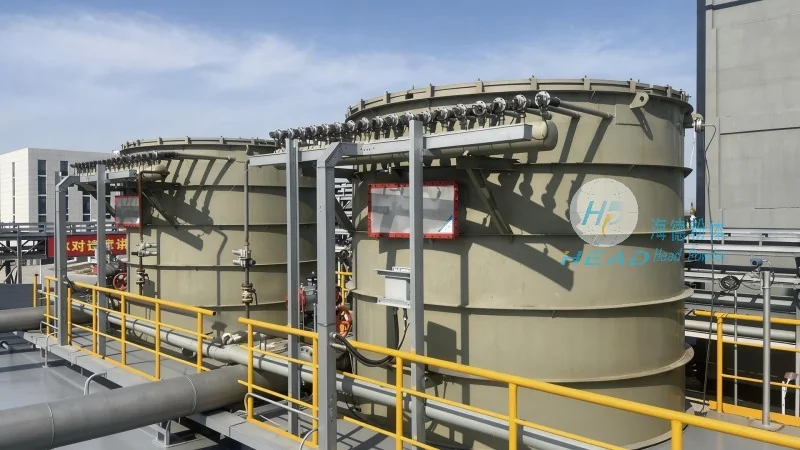
Pneumatic Conveying Systems
Pneumatic conveying systems use air pressure or vacuum to move seasonings through a pipeline. This method is highly effective for handling fine powders, dust, or materials that are difficult to convey mechanically. The primary advantage of pneumatic systems is their ability to transport materials over long distances and even vertically, with minimal product degradation. They are particularly useful for applications requiring high hygiene standards, as the enclosed pipeline prevents contamination from external sources. However, pneumatic conveying can be more energy-intensive compared to other methods, as it requires powerful air compressors and a robust filtration system to maintain air quality. The cost of installation and maintenance for pneumatic systems is generally higher than for gravity or mechanical systems, making them more suitable for large-scale operations or industries with strict quality control requirements.
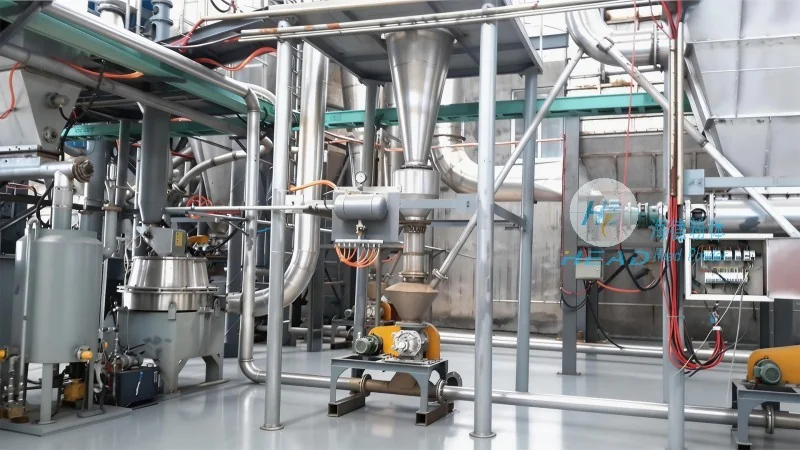
Hybrid Conveying Solutions
In many industrial settings, a single conveying method may not meet all operational needs. Hybrid systems combine two or more technologies to optimize performance. For instance, a gravity conveyor might be integrated with a mechanical screw to handle both horizontal and vertical transport, or a pneumatic system could be used in conjunction with a vacuum to improve material pickup efficiency. These hybrid solutions offer flexibility and adaptability, allowing manufacturers to address complex conveying challenges while maintaining efficiency and product integrity. The choice of hybrid system depends on the specific characteristics of the seasoning, the production environment, and the desired level of control over the conveying process.
Factors to Consider When Choosing a Conveying Method
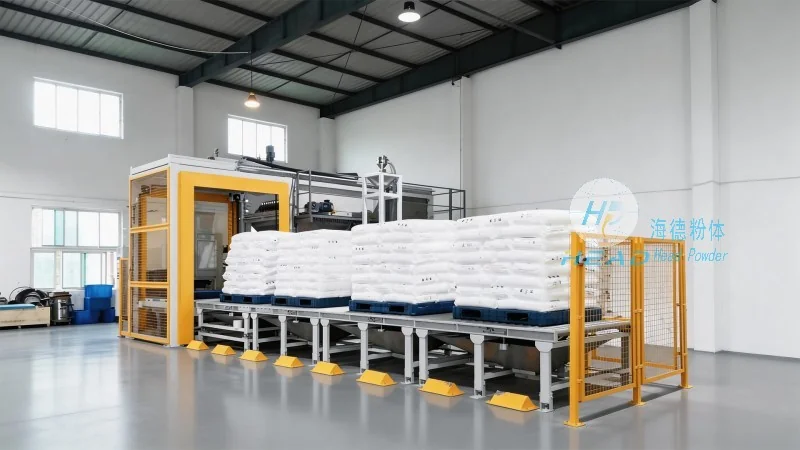
When selecting a seasoning conveying method, several factors must be carefully evaluated. The first consideration is the physical properties of the seasoning, including particle size, density, moisture content, and flowability. Materials with high moisture content or sticky properties may require specialized equipment to prevent clogging or degradation. The distance and elevation changes between the storage and production areas are also critical, as they determine the feasibility of different methods. For example, a short horizontal transfer might be suitable for gravity or belt conveyors, while a long vertical lift would necessitate a screw or pneumatic system. Operational costs, including energy consumption, maintenance requirements, and initial investment, are another key factor. Gravity systems offer the lowest initial cost and energy use, but may require more space and careful design. Mechanical systems provide better control and are more versatile but have higher maintenance costs. Pneumatic systems are the most expensive but offer superior hygiene and flexibility. Finally, regulatory and safety standards must be considered, especially in food processing industries where hygiene and product safety are paramount.
HeadPowder Engineering: Expertise in Seasoning Conveying Solutions
Shandong HeadPowder Engineering Co., Ltd., operating under the brand name HeadPowder, specializes in providing customized seasoning conveying solutions tailored to the unique needs of food and beverage manufacturers. With a deep understanding of the challenges faced in seasoning handling, HeadPowder offers a range of equipment and systems designed to enhance efficiency, maintain product quality, and ensure compliance with industry standards. The company's expertise lies in integrating advanced technologies with practical applications, delivering reliable and cost-effective conveying solutions for various seasoning types and production scales. Whether a client requires a simple gravity chute or a complex hybrid pneumatic system, HeadPowder provides comprehensive support from design and installation to maintenance and troubleshooting. HeadPowder's commitment to quality and customer satisfaction has established it as a trusted partner in the industry, helping businesses optimize their seasoning handling processes and improve overall operational performance.




