Perlite, a lightweight, porous volcanic rock, is widely used in various industries for its thermal insulation properties, lightweight characteristics, and other beneficial attributes. The efficient and reliable transportation of perlite from storage to processing or application sites is crucial for maintaining production efficiency and product quality. This article provides a detailed comparison of common perlite conveying methods, highlighting their advantages, limitations, and suitability for different operational scenarios. The information is presented by Shandong HeadPowder Engineering Co., Ltd., a leading manufacturer and supplier of perlite processing equipment, with operations based in Shandong, China.
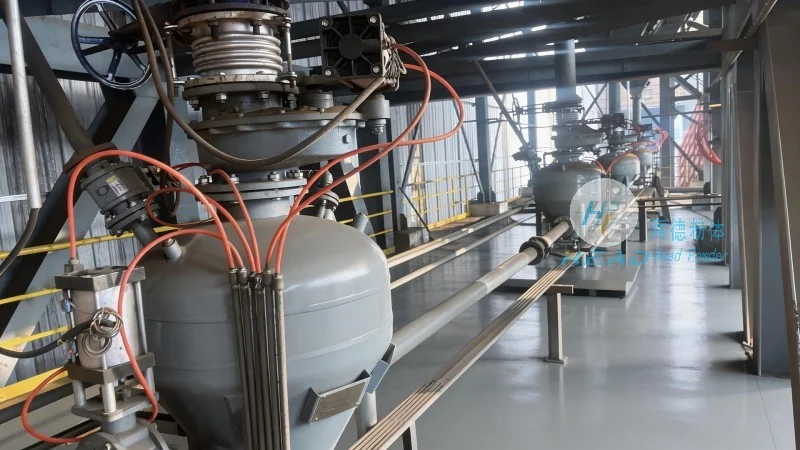
1. Pneumatic Conveying Systems
Pneumatic conveying, also known as air-based transport, is a popular method for moving perlite due to its ability to handle fine or powdery materials. This system utilizes compressed air to create a flow that propels perlite particles through a pipeline. There are two main types: pressure and vacuum systems. Pressure systems use positive pressure to push material forward, while vacuum systems use negative pressure to draw material into the pipeline. For perlite, pressure systems are often preferred as they can handle higher material loads and longer distances. The key components of a pneumatic conveying system include a hopper, feeder, pipeline, and receiver. The hopper stores the perlite, and the feeder controls the flow rate. The pipeline transports the material, and the receiver collects it at the destination. Advantages of pneumatic conveying include high efficiency, low maintenance, and the ability to transport materials over long distances. However, it requires a significant amount of energy to operate and may not be suitable for very fine or abrasive perlite particles, as they can cause wear on the system components.
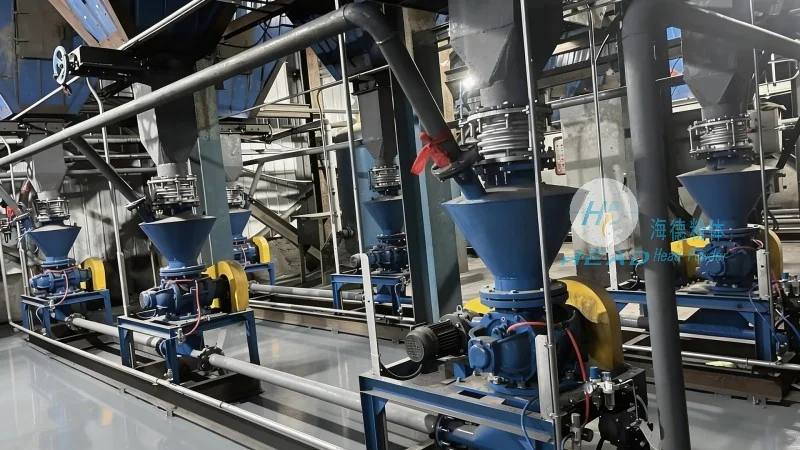
2. Mechanical Conveying Systems
Mechanical conveying systems rely on mechanical components to move perlite. These systems are generally more cost-effective and energy-efficient compared to pneumatic systems, especially for short to medium distances. Common types include belt conveyors, screw conveyors, and bucket elevators. Belt conveyors use a continuous belt to transport perlite horizontally or at a slight incline. Screw conveyors utilize a rotating screw to push material forward, making them suitable for vertical or inclined transport. Bucket elevators use buckets attached to a chain or belt to lift perlite vertically. For perlite, screw conveyors are particularly effective due to their ability to handle fine powders without causing excessive wear. The choice of mechanical system depends on the material's characteristics, such as particle size, moisture content, and abrasiveness. Belt conveyors are ideal for large, bulk materials, while screw conveyors are better for fine powders. Mechanical systems are generally more durable and require less energy than pneumatic systems, but they may not be suitable for very fine or dusty perlite, as it can lead to clogging or reduced efficiency.
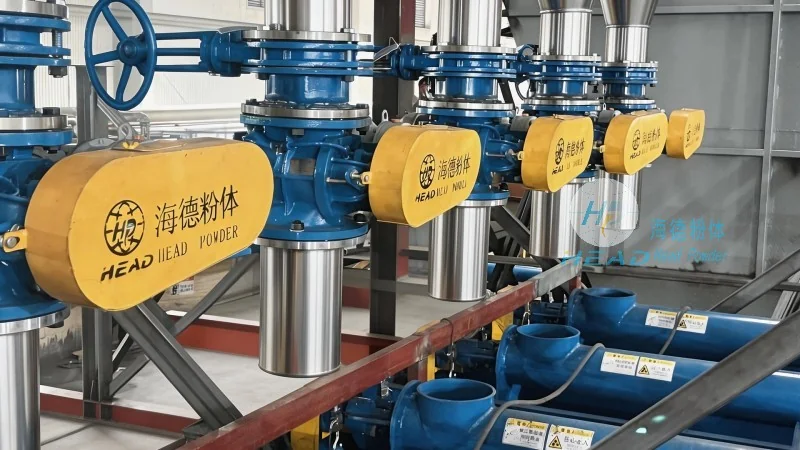
3. Hydraulic Conveying Systems
Hydraulic conveying systems use water or other fluids to transport perlite. This method is less common for perlite due to its lightweight nature and the potential for water to affect the material's properties. However, it can be effective for transporting wet perlite or perlite mixed with other materials. The system typically involves a pump that pushes water through a pipeline, carrying the perlite particles along. The material is then separated from the water at the destination. Advantages of hydraulic conveying include the ability to handle very fine or abrasive materials and the low energy consumption compared to pneumatic systems. However, it requires a significant amount of water, which can be a drawback in areas with water scarcity. Additionally, the system is more complex and requires regular maintenance to prevent clogging and corrosion.
4. Combination Conveying Systems
Combination or hybrid conveying systems integrate multiple methods to optimize performance. For example, a system might use a mechanical conveyor to transport perlite to a pneumatic system for the final stage of transport. This approach combines the efficiency of mechanical systems for short distances with the ability of pneumatic systems to handle longer distances. Another example is a screw conveyor feeding into a pressure pneumatic system. Combination systems are often used in large-scale perlite processing plants where different stages of transport require different methods. They offer flexibility and can handle a wide range of material characteristics and operational requirements. However, they are more complex and expensive to install and maintain compared to single-method systems.
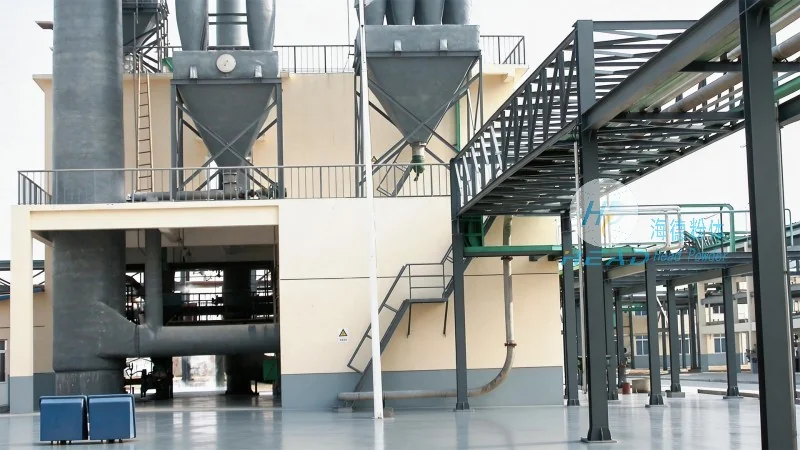
Conclusion: Choosing the Right Perlite Conveying Method
Selecting the appropriate perlite conveying method depends on several factors, including the material's characteristics, distance to be transported, required efficiency, and budget constraints. Pneumatic systems are ideal for long distances and fine powders but require high energy input. Mechanical systems are cost-effective and energy-efficient for short to medium distances and bulk materials. Hydraulic systems are suitable for wet or mixed materials but have water usage limitations. Combination systems offer flexibility but come with higher costs and complexity. Shandong HeadPowder Engineering Co., Ltd. provides a range of conveying solutions tailored to specific operational needs, ensuring optimal performance and efficiency in perlite processing. By understanding the advantages and limitations of each method, manufacturers can choose the most suitable system to enhance their production processes and maintain product quality.




