

Lithium Battery Positive and Negative Electrode Material Pneumatic Conveying System: What It Is and
Lithium battery production is a highly technical and precision-driven industry, where the quality and efficiency of material handling processes directly impact the final product's performance and safety. Among the various methods used to transport raw materials like positive and negative electrode powders, pneumatic conveying systems have emerged as a critical solution. This article explores what a lithium battery positive and negative electrode material pneumatic conveying system is and delves into its core design principles, providing a comprehensive understanding of this essential technology.
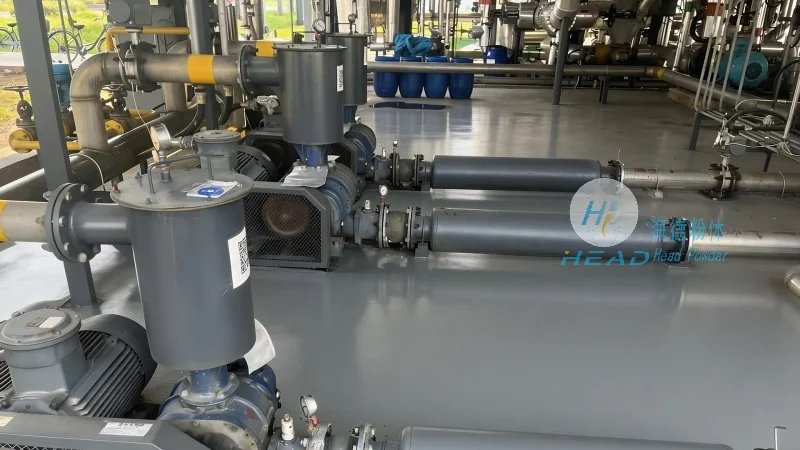
Understanding the Pneumatic Conveying System for Lithium Battery Materials
A pneumatic conveying system for lithium battery positive and negative electrode materials is a specialized equipment setup designed to transport powders or granules of electrode active materials (such as lithium cobalt oxide for the positive electrode and graphite or nickel manganese cobalt oxide for the negative electrode) from one location to another within a production facility. Unlike traditional mechanical conveyors, which rely on physical contact and friction to move materials, pneumatic systems use compressed air or other gases to create a flow that propels the material through a pipeline. This method offers several advantages, including reduced contamination risk, lower maintenance requirements, and the ability to handle materials in a dust-free environment, which is crucial for maintaining the purity of battery materials.
Key Components of the Pneumatic Conveying System
The design of a lithium battery material pneumatic conveying system involves several key components, each playing a vital role in the overall operation. The primary components typically include a material feed hopper, a conveying line (usually made of stainless steel to resist corrosion from the battery materials), a compressor or air source unit, a control system, and a discharge or collection unit. The feed hopper is responsible for storing and feeding the electrode powder into the system, ensuring a consistent flow. The conveying line transports the material under pressure, while the compressor provides the necessary air pressure to move the material through the system. The control system manages the pressure, flow rate, and other operational parameters to maintain optimal performance. Finally, the discharge unit collects the material at the destination, such as a mixing or coating machine, ensuring efficient transfer.
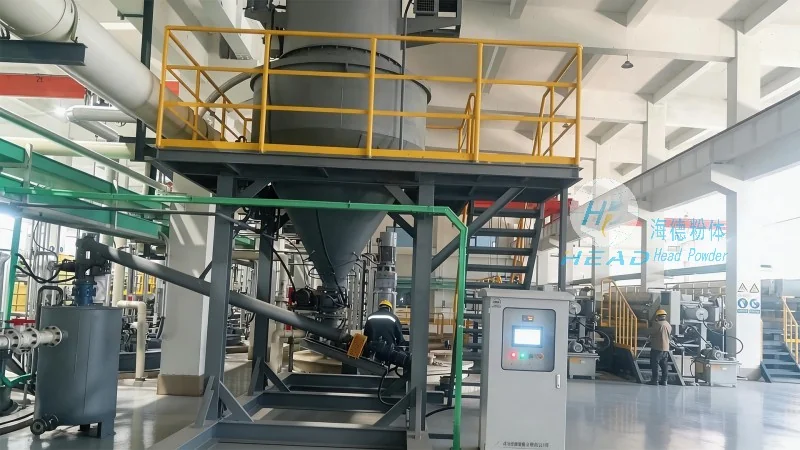
Design Principles for Efficient Material Handling
The design principles of a lithium battery material pneumatic conveying system are centered on achieving high efficiency, low material loss, and minimal contamination. Several key principles guide the engineering of these systems:
First, the system must be designed to handle the specific properties of the electrode materials. For instance, the materials may have different particle sizes, densities, and flow characteristics, which affect how they are conveyed. The system's design must account for these variations to ensure smooth and consistent flow. Second, the system should minimize material degradation and agglomeration during transport. This is achieved by controlling the air velocity and pressure within the conveying line, preventing the material from settling or clumping together. Third, the system must maintain a clean and dust-free environment to avoid contamination, which is critical for the quality of the final battery products. This is typically achieved through the use of sealed components and filtration systems.
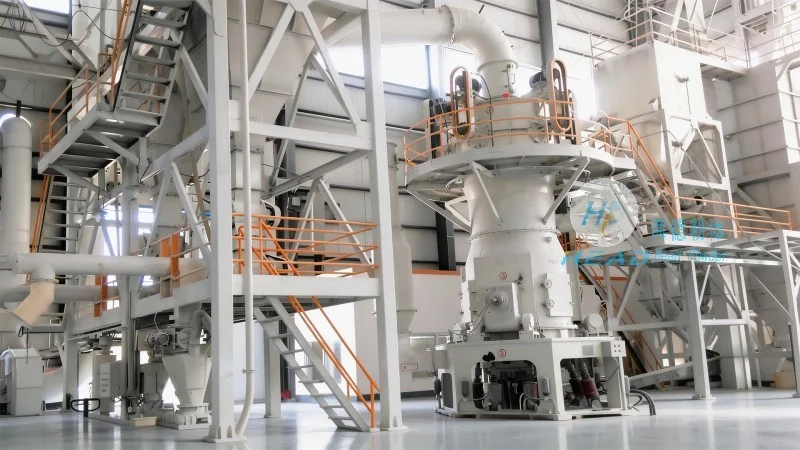
Advantages of Pneumatic Conveying in Lithium Battery Production
Implementing a pneumatic conveying system for lithium battery positive and negative electrode materials offers numerous benefits that enhance production efficiency and product quality. One of the most significant advantages is the ability to handle materials in a closed system, which reduces exposure to air and moisture, thereby preserving the material's properties. This is particularly important for sensitive materials like lithium cobalt oxide, which can degrade if exposed to moisture or oxygen. Additionally, pneumatic systems allow for precise control over the material flow rate and pressure, enabling manufacturers to adjust the system according to production needs without interrupting the process. This flexibility is crucial in a dynamic manufacturing environment where production volumes and material types may change frequently.
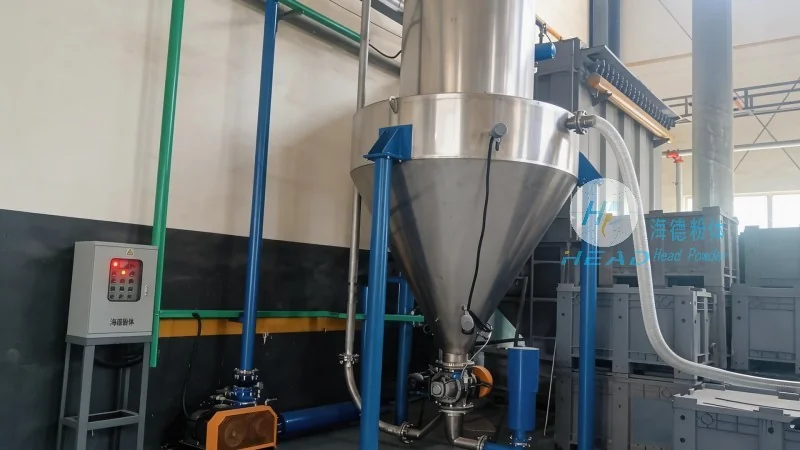
Application in the Production Process
The pneumatic conveying system is typically integrated into the broader lithium battery production process, working in conjunction with other equipment such as mixers, coating machines, and drying ovens. The system's role is to transport the electrode powders from raw material storage to the processing units, ensuring a continuous and uninterrupted supply of materials. This integration is critical for maintaining production line efficiency and reducing downtime. For example, in a typical production line, the positive electrode material may be conveyed from a storage silo to a mixing machine, where it is combined with binders and conductive agents. The negative electrode material is then conveyed to a separate processing unit for coating. The pneumatic system ensures that both materials are delivered to their respective processing stations in the correct quantities and at the right time, supporting the seamless operation of the entire production process.
Company Profile: Shandong HeadPowder Engineering Co., Ltd.
Shandong HeadPowder Engineering Co., Ltd., a leading manufacturer based in Shandong, China, specializes in the design, manufacturing, and supply of advanced material handling systems for the lithium battery industry. With years of experience and a commitment to innovation, the company has developed state-of-the-art pneumatic conveying systems tailored to the specific needs of lithium battery manufacturers. The company's products are engineered to meet the highest standards of efficiency, reliability, and safety, ensuring that customers can achieve optimal performance in their production processes. HeadPowder's expertise in material handling technology, combined with its focus on customer satisfaction, has made it a trusted partner for businesses seeking to enhance their lithium battery production capabilities.