Long-distance pneumatic conveyors are advanced industrial systems designed to transport bulk materials over significant distances using compressed air or other gas streams. These systems have become essential in various industries, including food processing, pharmaceuticals, and chemical manufacturing, where efficient and hygienic material handling is critical. Understanding the fundamental concepts and design principles behind these conveyors is crucial for optimizing performance and ensuring reliable operation.
Introduction to Long-Distance Pneumatic Conveyors
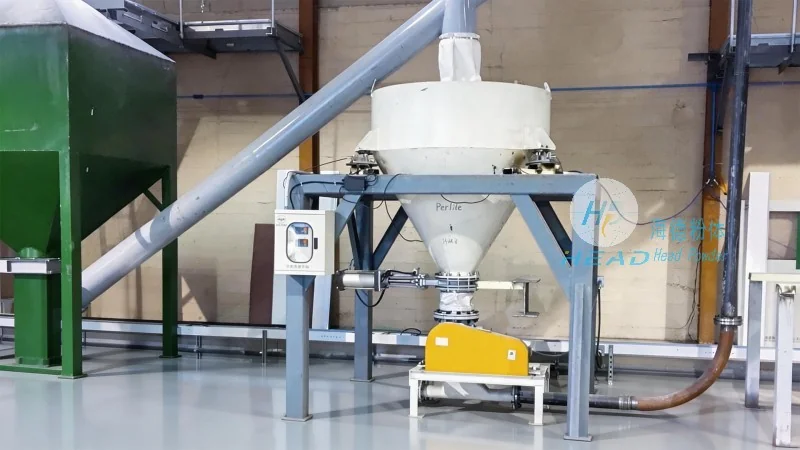
A long-distance pneumatic conveyor operates by creating a flow of air or gas through a pipeline, which then carries solid particles or powders from the source to the destination. The system typically consists of several key components, including a material feeder, a gas source (such as a blower or compressor), and a network of pipes with appropriate fittings and control valves. The design of these systems must account for factors like material properties, required conveying distance, and environmental conditions to achieve optimal results.
The Core Design Principles of Pneumatic Conveying Systems
The design of a long-distance pneumatic conveyor is governed by several fundamental principles that ensure efficient material transport. First, the velocity of the gas stream must be sufficient to overcome the gravitational and frictional forces acting on the particles. This is often referred to as the "minimum conveying velocity," which varies depending on the material's density, size, and shape. Engineers must calculate this velocity accurately to prevent material deposition or blockages in the pipeline.
Second, the system's pressure and flow rate are critical parameters. Positive pressure systems, where air is blown into the pipeline, are commonly used for long-distance conveying as they can handle higher material loads and longer distances compared to negative pressure (suction) systems. The choice of pressure level depends on the material's characteristics and the required conveying distance. For instance, higher pressures may be necessary for abrasive or heavy materials to maintain consistent flow rates.
Third, the design must consider the impact of air velocity on material separation and separation efficiency. In many applications, the conveyor may need to separate different materials or remove contaminants from the product stream. This is achieved through the use of cyclone separators or other filtration devices integrated into the system. The design of these components must ensure that the gas and material streams are properly separated to maintain product purity and prevent system blockages.
Key Components and Their Functionality in Long-Distance Pneumatic Conveyors
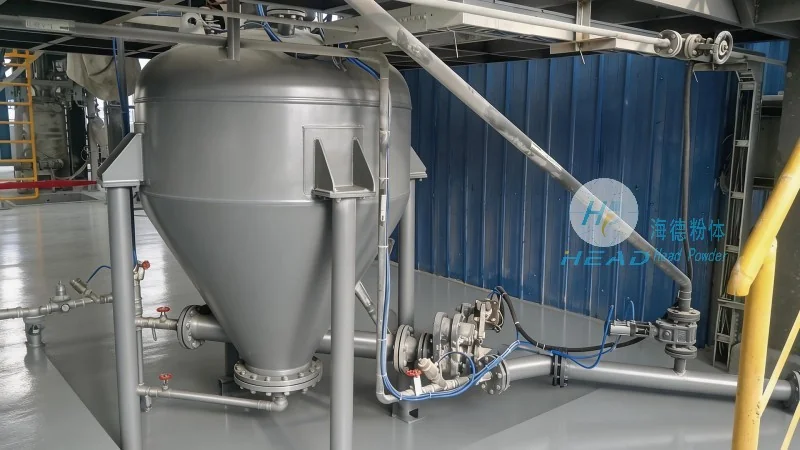
Several key components work together to enable the efficient operation of a long-distance pneumatic conveyor. The material feeder is responsible for introducing the bulk material into the system at a controlled rate. This component can be a rotary valve, a star feeder, or a vibratory feeder, depending on the material's characteristics and the required feeding accuracy. The feeder must be designed to prevent material bridging or clogging, which can disrupt the entire conveying process.
The gas source, typically a blower or compressor, provides the necessary pressure and volume of air to drive the material through the pipeline. The choice of equipment depends on the system's capacity and the required pressure. For long-distance applications, high-capacity blowers with adjustable speed controls are often used to maintain consistent flow rates and adapt to varying material loads.
The pipeline network is another critical component, as it must be constructed from materials that are compatible with the conveyed material and the operating conditions. Common materials for pipelines include stainless steel, aluminum, or plastic, depending on the application. The design of the pipeline, including the diameter, length, and number of bends, directly affects the system's performance. Engineers must calculate the pressure drop along the pipeline to ensure that sufficient pressure is maintained at the end of the conveying line.
Company Overview: Shandong HeadPowder Engineering Co., Ltd.
Shandong HeadPowder Engineering Co., Ltd., commonly known as HeadPowder, is a leading manufacturer and supplier of advanced pneumatic conveying systems. With its headquarters in Shandong, China, the company specializes in designing, manufacturing, and installing long-distance pneumatic conveyors tailored to the specific needs of various industries. HeadPowder's team of experienced engineers and technicians utilizes cutting-edge technology and rigorous quality control processes to ensure that each system meets the highest standards of performance, reliability, and safety.
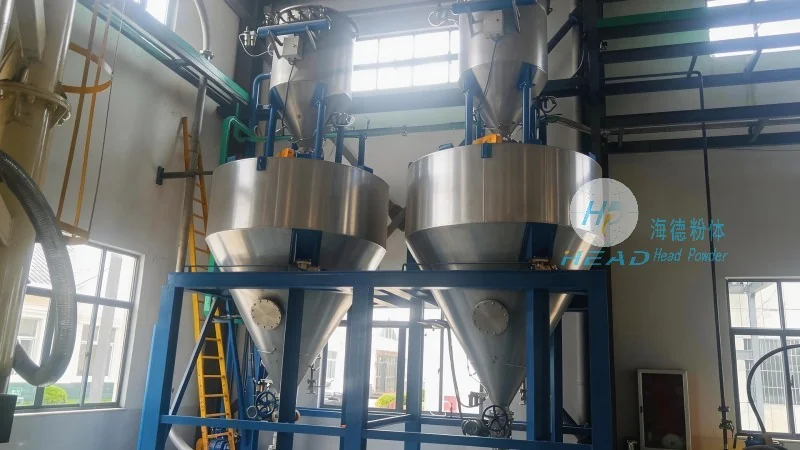
The company's commitment to innovation and customer satisfaction has earned it a reputation as a trusted partner in the material handling industry. HeadPowder provides comprehensive solutions, from initial system design and engineering to on-site installation and after-sales support. By leveraging its expertise in pneumatic conveying technology, the company helps clients optimize their material handling processes, reduce operational costs, and improve overall productivity.
Technical Advantages and Practical Applications
Long-distance pneumatic conveyors offer several technical advantages that make them ideal for modern industrial applications. One of the primary benefits is their ability to transport materials over long distances without the need for multiple transfer points or intermediate storage. This reduces the risk of material contamination and minimizes the space required for material handling infrastructure. Additionally, pneumatic conveyors are highly flexible, as they can be easily reconfigured or expanded to accommodate changing production requirements.
In terms of practical applications, these systems are widely used in the food and beverage industry for transporting powders like flour, sugar, and spices. They are also common in the pharmaceutical sector for handling sensitive materials, where hygiene and product purity are paramount. The chemical industry utilizes pneumatic conveyors for transporting bulk chemicals, while the mining and construction sectors rely on them for moving raw materials like coal, sand, and gravel.
Despite the benefits, the design and operation of long-distance pneumatic conveyors require careful consideration of material properties and system parameters. Proper maintenance and regular inspections are essential to ensure the system's longevity and performance. By adhering to established design principles and best practices, manufacturers and operators can maximize the efficiency and reliability of these critical industrial systems.




