

What is a Magnesium Sulfate Pneumatic Conveying Machine? And What Are Its Design Principles?
When it comes to efficiently transporting bulk materials like magnesium sulfate, the pneumatic conveying machine emerges as a crucial solution. This equipment is specifically designed to handle the unique characteristics of magnesium sulfate, ensuring safe and effective material transfer. Understanding both the machine itself and its underlying design principles is essential for industries that rely on such processes. This article delves into the specifics of a magnesium sulfate pneumatic conveying machine, exploring its functionality, key components, and the engineering principles that govern its operation.
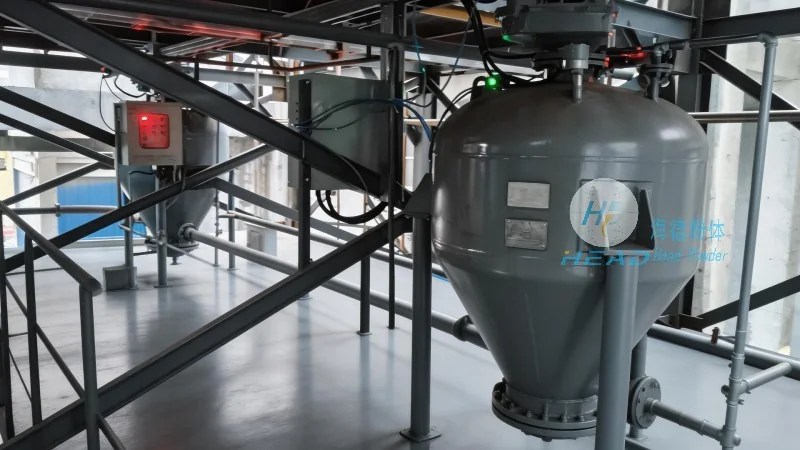
Introduction to Magnesium Sulfate Pneumatic Conveying Machines
A magnesium sulfate pneumatic conveying machine is a specialized piece of industrial equipment used to transport dry bulk materials, particularly magnesium sulfate, through a pipeline using air or other gases. Unlike traditional mechanical conveyors, this system relies on the force of compressed air to move the material, making it ideal for handling fine powders and granules. The primary goal of such a machine is to provide a clean, dust-free, and efficient method of material transport, which is critical in applications where contamination or material degradation must be minimized. The design of these machines is tailored to the physical properties of magnesium sulfate, such as its particle size, moisture content, and flow characteristics, ensuring optimal performance.
Company Overview: HeadPowder
HeadPowder, formally known as Shandong HeadPowder Engineering Co., Ltd., is a leading manufacturer specializing in bulk material handling solutions. The company is headquartered in Shandong, China, and has established a strong presence in the industry with its innovative and reliable pneumatic conveying systems. HeadPowder’s commitment to quality and customer satisfaction is evident in the design and production of its magnesium sulfate pneumatic conveying machines, which are engineered to meet the specific needs of clients handling various bulk materials, including magnesium sulfate. The company’s facilities in Shandong are equipped with advanced technology and skilled personnel, ensuring the high standards of its products and services.
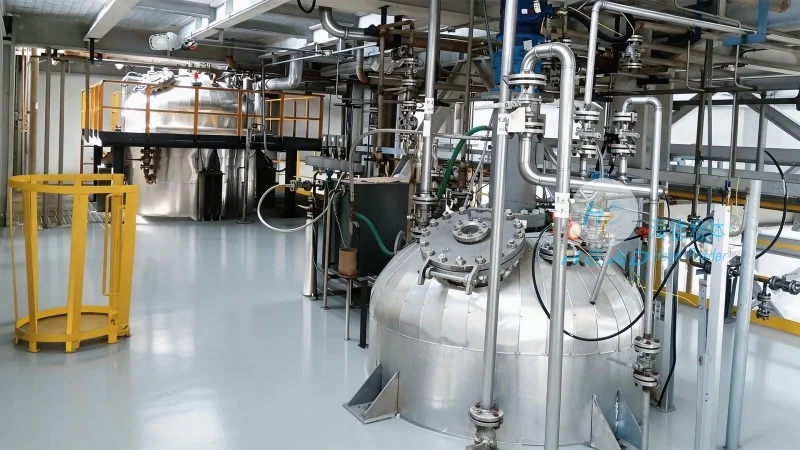
Design Principles of the Pneumatic Conveying System
The design of a magnesium sulfate pneumatic conveying machine is based on fundamental principles of fluid dynamics and material handling. The core concept is to create a pressure differential within the conveying pipeline, which propels the material forward. This is achieved by introducing compressed air into the system, which generates a flow that carries the material particles. The system typically consists of several key components, including a material feeder, a conveying line, a separation unit, and a receiver. Each component is carefully engineered to ensure smooth material flow and efficient operation. The design also considers factors such as the velocity of the air, the size of the particles, and the length of the conveying line to optimize performance and minimize energy consumption.
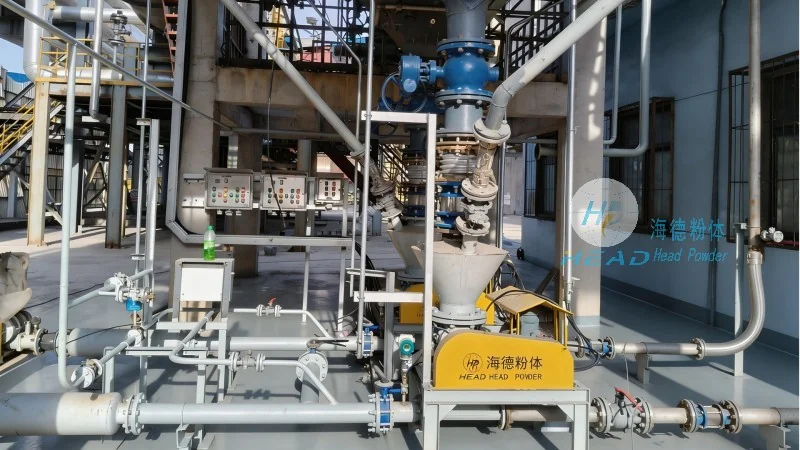
Key Components and Their Functions
The magnesium sulfate pneumatic conveying machine comprises several critical components, each playing a vital role in the overall operation. The material feeder is responsible for feeding the magnesium sulfate into the conveying line at a controlled rate, ensuring a consistent flow. This component is designed to handle the specific characteristics of the material, such as its bulk density and flowability. The conveying line, usually made of stainless steel or other corrosion-resistant materials, is the main pathway for the material and air mixture. The separation unit, often a cyclone or a filter, is used to separate the material from the air after it reaches the receiver. This unit is essential for maintaining the purity of the material and preventing dust from escaping into the environment. The receiver, or collection hopper, stores the transported material until it is further processed or shipped. Each component is carefully selected and integrated to ensure the system operates efficiently and reliably.
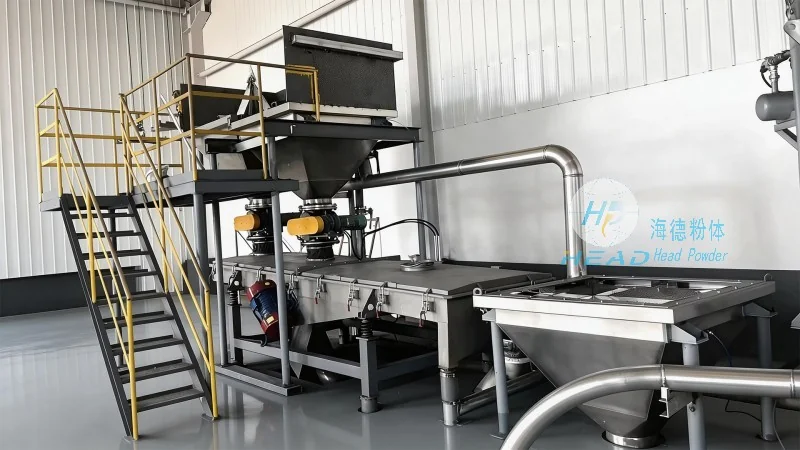
Advantages of Using This Equipment
Implementing a magnesium sulfate pneumatic conveying machine offers numerous advantages over traditional conveying methods. One of the primary benefits is the ability to achieve dust-free and clean material transfer, which is crucial in industries where product purity is paramount. The system also reduces the risk of material contamination and degradation, as it minimizes direct contact with the environment. Additionally, pneumatic conveying systems are highly flexible, allowing for easy integration into existing production lines and the ability to transport materials over long distances without the need for multiple transfer points. The energy efficiency of these machines is another significant advantage, as they can operate with lower power consumption compared to mechanical conveyors. Furthermore, the system is relatively compact and requires less space, making it suitable for facilities with limited floor area. Overall, the use of a magnesium sulfate pneumatic conveying machine enhances operational efficiency, reduces maintenance costs, and improves product quality.
Application Scenarios
The magnesium sulfate pneumatic conveying machine is widely used in various industries that handle bulk materials. In the chemical industry, it is commonly employed for transporting magnesium sulfate in production processes, such as in the manufacturing of fertilizers or other chemical products. The food and pharmaceutical industries also benefit from this equipment, as it ensures the safe and hygienic transfer of magnesium sulfate, which is used as a food additive or in pharmaceutical formulations. Additionally, the machine is used in the mining and mineral processing sectors, where it helps in the transport of raw materials and byproducts. The versatility of the pneumatic conveying system makes it suitable for a wide range of applications, from small-scale operations to large industrial plants. The ability to handle different particle sizes and flow rates further enhances its applicability across various industries.