Lightweight aggregate pneumatic conveying systems represent a sophisticated method for transporting materials like lightweight aggregates, which are widely used in construction and industrial applications. These systems are engineered to handle the unique characteristics of lightweight aggregates, ensuring efficient and reliable material movement. As a leading manufacturer in this field, Shandong HeadPowder Engineering Co., Ltd. specializes in designing and producing such systems, with operations based in Shandong, China.
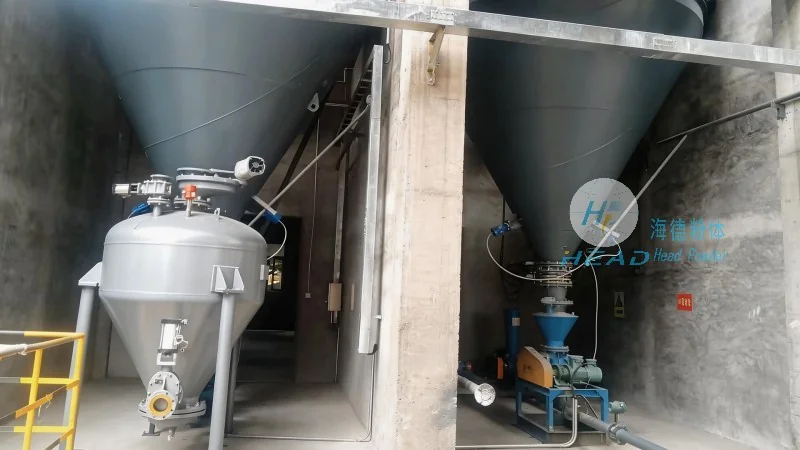
Overview of Lightweight Aggregate Pneumatic Conveying Systems
At its core, a pneumatic conveying system uses air or gas to transport bulk materials through a network of pipes. In the context of lightweight aggregates, these systems are tailored to manage materials such as expanded clay, perlite, or other lightweight construction materials. The primary goal is to move these materials from a source, like a storage silo or hopper, to a destination, such as a processing plant or construction site, without the need for mechanical components that might cause wear or contamination.
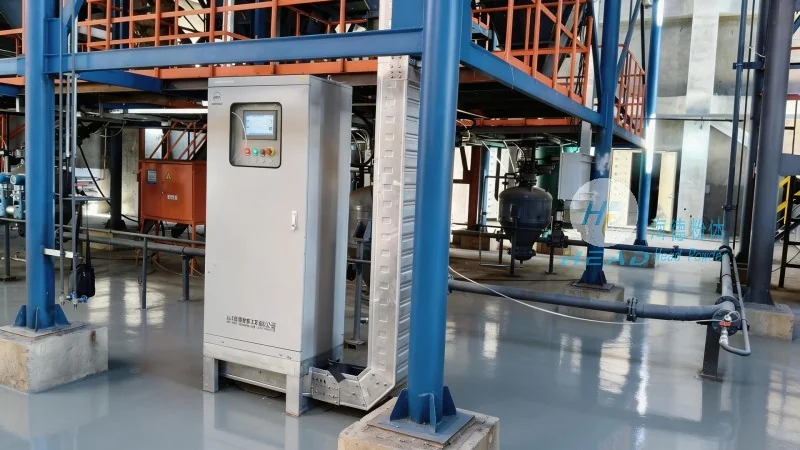
Key Components of the Pneumatic Conveying Equipment
The effectiveness of a lightweight aggregate pneumatic conveying system relies on several critical components. First, the feeding device is essential for introducing the lightweight aggregate into the system. This may include a rotary valve, a screw feeder, or a pressure feeder, which ensures a consistent flow of material into the conveying line. Next, the conveying pipeline is typically made of materials like stainless steel or plastic, designed to withstand the pressure and abrasion from the lightweight aggregates. The pipeline layout can vary, with options for horizontal, vertical, or a combination of both, depending on the layout of the facility. A air source system is another crucial component, which may include a blower or a compressor to generate the necessary air pressure for conveying. This system must be capable of delivering the required volume and pressure to move the material efficiently. Finally, the separation and discharge unit is responsible for separating the lightweight aggregate from the air stream and directing it to the final destination. This unit may include a cyclone separator or a filter, which captures the material and returns it to the process while allowing the air to be recirculated or exhausted.
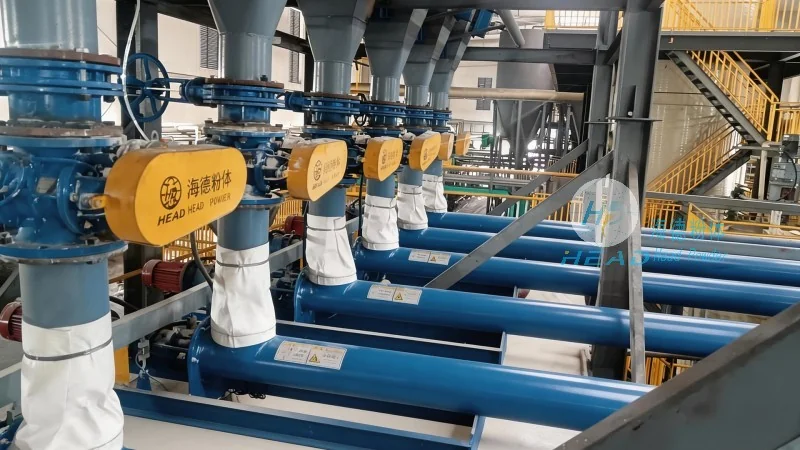
Design Principles Underlying the System
The design of a lightweight aggregate pneumatic conveying system is guided by several fundamental principles to ensure optimal performance. One of the key principles is the air-to-material ratio, which determines the amount of air required to transport a given quantity of material. This ratio is critical for maintaining the material in a suspended state within the pipeline, preventing blockages and ensuring smooth flow. The system's design also considers the velocity of the air stream, which must be sufficient to keep the lightweight aggregate particles airborne but not so high as to cause excessive wear on the pipeline or components. The layout of the pipeline is another important design consideration, as it affects the system's efficiency and energy consumption. For example, vertical sections of the pipeline may require additional air pressure to overcome gravity, while horizontal sections rely on the momentum of the air stream to move the material. The system's design also incorporates control mechanisms to regulate the flow of material and air, ensuring that the conveying process is stable and responsive to changes in demand or material characteristics.
Application Benefits and Operational Efficiency
Implementing a lightweight aggregate pneumatic conveying system offers several advantages in industrial and construction settings. One of the primary benefits is the reduction in mechanical wear and maintenance, as there are no moving parts in direct contact with the material. This leads to lower operational costs and longer equipment life. Additionally, the system allows for flexible and scalable operations, as the pipeline layout can be adjusted to accommodate changes in production volume or facility layout. The system also enables clean and dust-free transport, as the material is enclosed within the pipeline, preventing contamination and environmental issues. Furthermore, the automation of the conveying process enhances operational efficiency, reducing the need for manual handling and improving overall productivity. These benefits make lightweight aggregate pneumatic conveying systems a preferred choice for industries that require reliable, efficient, and cost-effective material transport solutions.
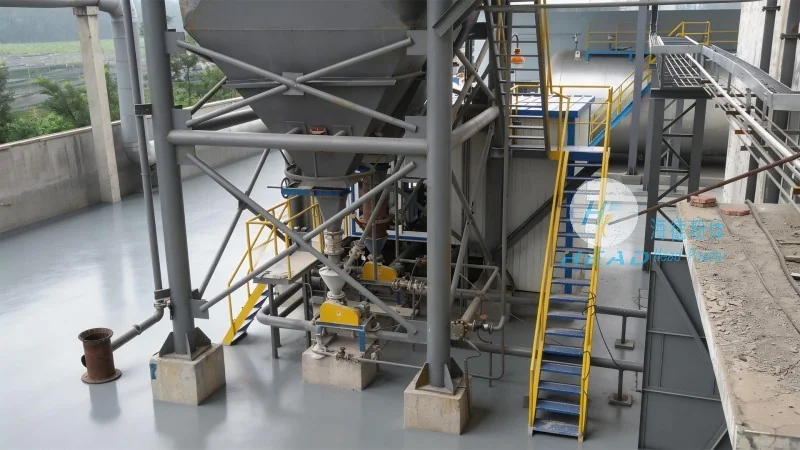
Shandong HeadPowder Engineering Co., Ltd. leverages its expertise in engineering and manufacturing to provide customized pneumatic conveying systems tailored to the specific needs of its clients. With operations based in Shandong, China, the company combines advanced technology with practical design to deliver solutions that meet the highest standards of performance and reliability. By understanding the unique requirements of lightweight aggregate transportation, HeadPowder ensures that its systems are optimized for efficiency, durability, and ease of operation, supporting the success of its clients in various sectors.




