When it comes to handling and transporting gypsum powder, selecting the right conveying method is crucial for efficiency, cost-effectiveness, and operational safety. Gypsum, a widely used material in construction and industrial applications, requires specialized equipment to ensure smooth and reliable transport. This article provides a detailed comparison of common gypsum powder conveying methods, highlighting their advantages and disadvantages, to help businesses make informed decisions for their material handling needs.
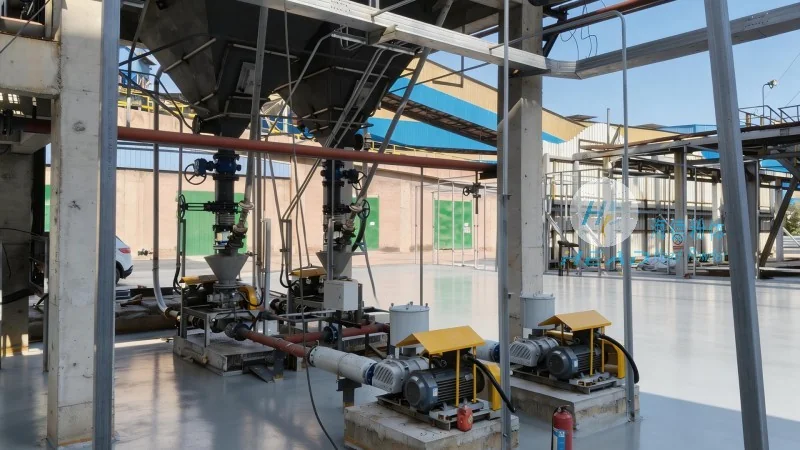
Introduction to Gypsum Powder Conveying
Gypsum powder, often used in plaster, drywall, and industrial processes, is a fine, dry material that demands careful handling to prevent dust, clogging, and material degradation. Conveying systems for gypsum powder must address challenges such as dust generation, material flow consistency, and system durability. The choice of conveying method depends on factors like material properties, production scale, budget, and environmental considerations. Below, we explore several popular gypsum powder conveying methods, analyzing their pros and cons.
1. Pneumatic Conveying Systems
Pneumatic conveying, also known as air-powered conveying, uses compressed air to transport gypsum powder through a pipeline. This method is ideal for long-distance transport and can handle fine powders effectively. The primary advantage of pneumatic conveying is its ability to transport materials over significant distances without the need for mechanical components at each transfer point. It also offers flexibility in routing, allowing for changes in the conveying path as needed. However, pneumatic systems require high air pressure and energy consumption, which can increase operational costs. Additionally, they may experience issues with material buildup in the pipeline, especially with high moisture content or sticky gypsum powders. Maintenance of the air filtration and compression systems is also essential to ensure consistent performance.
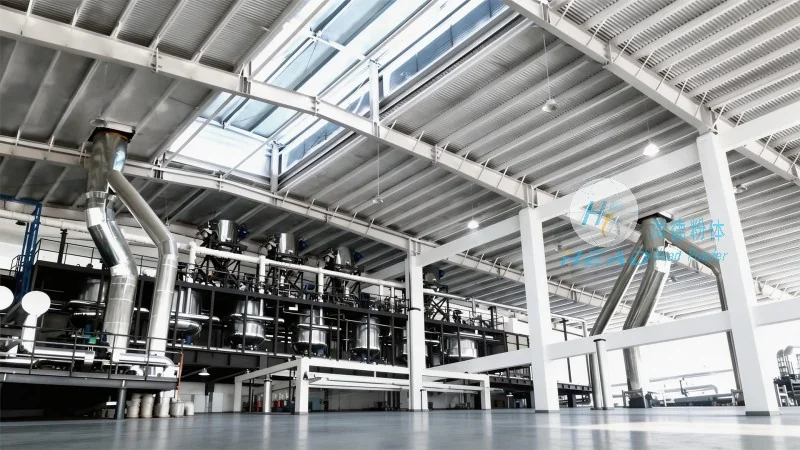
2. Screw Conveyors
Screw conveyors, or auger conveyors, use a rotating screw to move gypsum powder along a trough. This method is suitable for short to medium distances and is commonly used in batching plants and small-scale operations. The main advantage of screw conveyors is their simplicity and low maintenance. They are relatively inexpensive to install and operate, making them a cost-effective option for smaller applications. Screw conveyors also provide good control over material flow, allowing for precise dosing and feeding. However, they are less efficient for long-distance transport and may cause material degradation due to friction and shear forces. Overloading the screw can lead to clogging, and the system may not handle very fine or abrasive powders well. Additionally, screw conveyors are susceptible to material buildup on the screw and trough walls, requiring regular cleaning and maintenance.
3. Belt Conveyors
Belt conveyors use a continuous belt to transport gypsum powder horizontally or at a slight incline. This method is widely used in bulk material handling and is suitable for both short and long distances. The primary advantage of belt conveyors is their high capacity and ability to handle large volumes of material. They are reliable and can operate continuously without frequent stops, making them ideal for high-throughput applications. Belt conveyors also offer flexibility in terms of layout, as they can be installed in various configurations to suit the plant layout. However, they require significant space and infrastructure, including supports and pulleys, which can increase installation costs. Maintenance of the belt and drive system is also important to prevent breakdowns and ensure smooth operation. Additionally, belt conveyors may experience material spillage or buildup on the belt edges, leading to dust and safety hazards if not properly sealed and maintained.
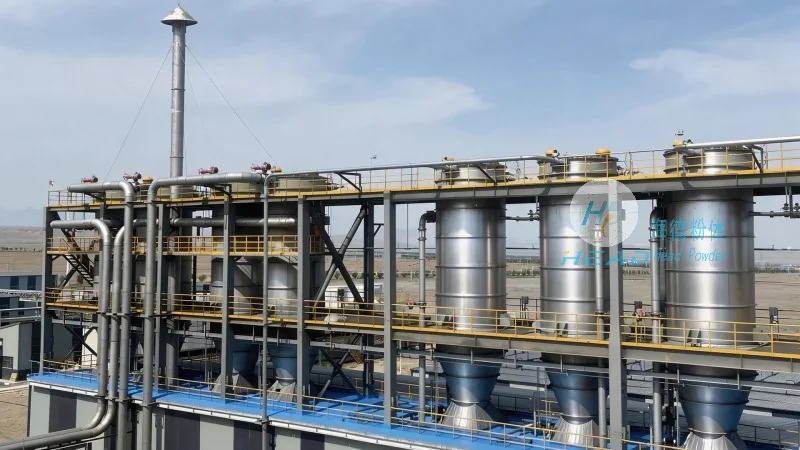
4. Hydraulic Conveying
Hydraulic conveying uses a liquid medium, typically water or a slurry, to transport gypsum powder. This method is suitable for wet or semi-wet gypsum powders and can handle high volumes of material. The main advantage of hydraulic conveying is its ability to transport materials over long distances with minimal energy consumption. It is also effective in handling abrasive or sticky powders that may clog other systems. However, hydraulic systems require additional equipment such as pumps and filtration systems, increasing the initial investment and maintenance costs. The presence of water in the system can lead to material degradation or corrosion, especially with high moisture content. Additionally, hydraulic conveying may produce more wastewater, requiring proper treatment to comply with environmental regulations.
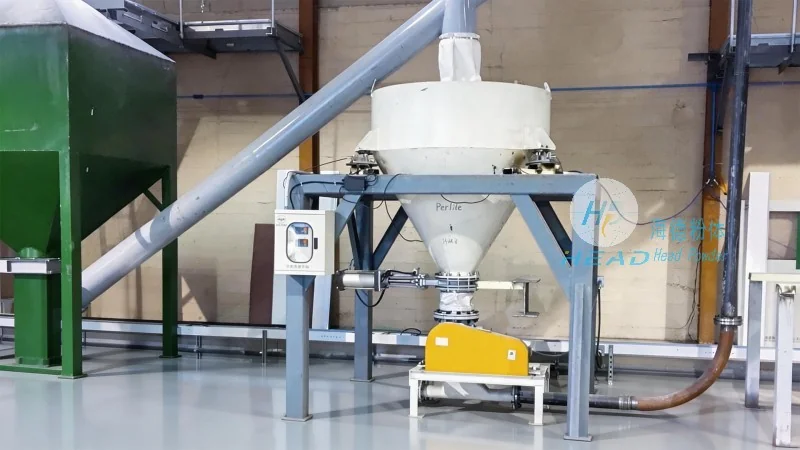
5. Comparison and Selection Criteria
When choosing a gypsum powder conveying method, several factors should be considered to ensure the best fit for the application. The first consideration is the distance and layout of the conveying system. For long distances, pneumatic or hydraulic systems may be more suitable, while screw or belt conveyors are better for shorter distances. The second factor is the material properties, including fineness, moisture content, and abrasiveness. Fine powders may require pneumatic or belt systems with proper sealing, while sticky or abrasive powders may benefit from screw or hydraulic systems with additional features like cleaning mechanisms. The third factor is the budget and operational costs. Lower-cost options like screw conveyors may be suitable for small-scale operations, while higher-cost systems like pneumatic or hydraulic conveyors are better for large-scale or high-volume applications. Finally, environmental and safety considerations are important, as some systems may generate more dust or require additional safety measures.
Conclusion
Selecting the right gypsum powder conveying method is essential for optimizing material handling efficiency and reducing operational costs. Each method has its own advantages and disadvantages, and the choice depends on the specific requirements of the application. Pneumatic systems offer flexibility and long-distance transport but require high energy consumption. Screw conveyors are simple and cost-effective but less efficient for long distances. Belt conveyors provide high capacity and reliability but require significant space and maintenance. Hydraulic systems are effective for wet powders but involve additional equipment and potential environmental issues. By carefully evaluating the factors mentioned above, businesses can select the most suitable conveying method for their gypsum powder handling needs, ensuring smooth and efficient operations.




