When it comes to efficiently moving cereal products from one point to another in industrial settings, selecting the right transport method is crucial. The choice of equipment can significantly impact operational efficiency, product quality, and overall cost-effectiveness. This article provides a detailed comparison of common cereal transport methods, highlighting their advantages and disadvantages, to help businesses make informed decisions.
Overview of Key Cereal Transport Methods
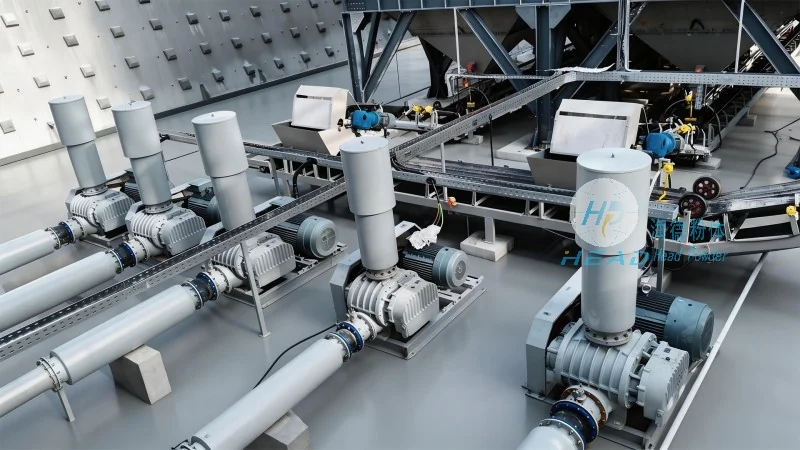
In the cereal processing industry, several transport methods are widely used. Each method has its own set of characteristics that make it suitable for different applications. The primary methods include screw conveyors, pneumatic conveyors, belt conveyors, and bucket elevators. Understanding the strengths and weaknesses of each is essential for optimizing production lines.
Screw Conveyors: A Traditional and Reliable Option
Screw conveyors, also known as auger conveyors, are one of the most common and traditional methods for transporting cereal products. These systems consist of a rotating screw (auger) inside a trough, which moves material forward through the mechanism. The design is straightforward, making it a cost-effective solution for many applications.
One of the main advantages of screw conveyors is their ability to handle a wide range of cereal types, from powders to granules. They are particularly effective for horizontal or slightly inclined transport, as the screw can push material without the need for external forces. Additionally, screw conveyors are relatively simple to install and maintain, reducing downtime and operational costs.
However, screw conveyors also have notable disadvantages. They are not ideal for vertical transport due to the high friction and wear on the screw and trough. This can lead to increased maintenance requirements and potential product degradation, especially for delicate or fragile cereals. Moreover, the design can cause product segregation if the material is not uniformly mixed, which may affect the final product quality.
Pneumatic Conveyors: The Versatile Air-Driven Solution
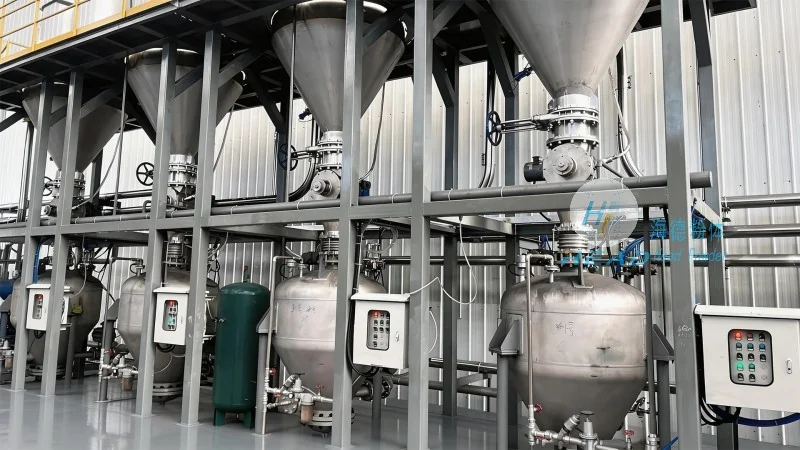
Pneumatic conveyors use air pressure to move cereal products through a system of pipes. This method is highly versatile and can handle both bulk and fine materials. It is particularly useful for applications requiring vertical or long-distance transport, as the air can lift and transport material over significant heights and distances.
A key advantage of pneumatic conveyors is their ability to handle fragile or delicate cereals without causing damage. The air flow minimizes impact and friction, preserving product integrity. They are also suitable for transporting materials in a closed system, which helps maintain hygiene and prevent contamination. This makes them ideal for food processing environments where cleanliness is paramount.
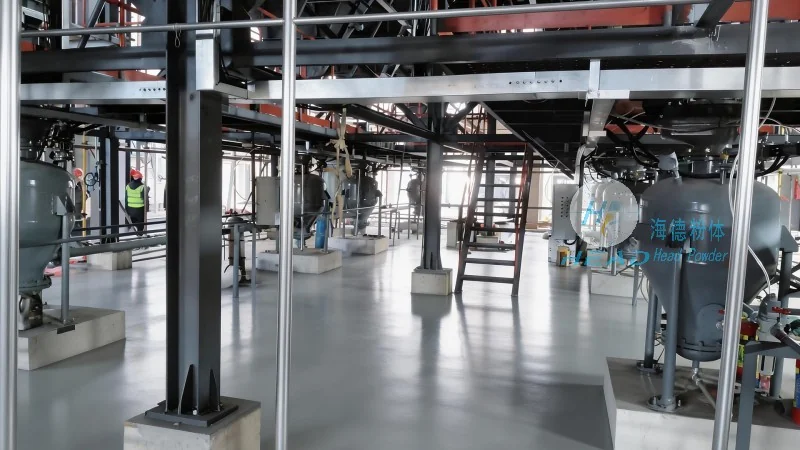
Despite these benefits, pneumatic conveyors have their drawbacks. They require a significant amount of energy to operate, as the air pressure and flow must be maintained. This can increase operational costs, especially for large-scale operations. Additionally, the system can be complex to install and maintain, as it involves air compressors, filters, and control systems. Moreover, the design may not be suitable for very fine or powdery materials, as they can cause blockages in the pipes.
Belt Conveyors: High-Capacity and Durable Transport
Belt conveyors are another popular option for cereal transport, especially in applications requiring high throughput and long-distance movement. These systems use a continuous belt that moves over rollers or pulleys, transporting material from one location to another. They are commonly used in bulk handling operations, such as in grain elevators and processing plants.
One of the primary advantages of belt conveyors is their high capacity and durability. They can handle large volumes of material with minimal maintenance, making them suitable for continuous operation. The design is also relatively simple, with fewer moving parts compared to other systems, reducing the risk of breakdowns. Additionally, belt conveyors can be easily integrated with other equipment, such as sorting or packaging machines, to create a seamless production line.
However, belt conveyors have limitations. They are not suitable for vertical transport, as the belt would need to be inclined at a steep angle, which can cause material to slip or fall. This makes them less efficient for applications requiring vertical movement. Moreover, the system can be noisy and may require regular cleaning to prevent product buildup on the belt, which can affect performance and hygiene.
Bucket Elevators: Efficient Vertical Transport Solutions
Bucket elevators are specifically designed for vertical transport of cereal products. These systems use a series of buckets attached to a chain or belt, which moves vertically to lift and transport material. They are ideal for applications where vertical movement is necessary, such as in grain storage and processing facilities.
A significant advantage of bucket elevators is their efficiency in vertical transport. They can lift material to high heights with minimal energy consumption compared to other vertical systems. The design is also robust and durable, capable of handling heavy loads and harsh operating conditions. Additionally, bucket elevators can be customized to handle different cereal types, ensuring optimal performance for specific applications.
However, bucket elevators have their own set of disadvantages. They require regular maintenance to ensure the buckets and chains are in good condition, as wear and tear can lead to breakdowns. The system is also more complex than other transport methods, with more moving parts that need to be monitored and maintained. Moreover, the design may not be suitable for very fine or powdery materials, as they can cause blockages in the buckets and chains.
Choosing the Right Cereal Transport Method
When selecting a cereal transport method, several factors should be considered. The type of cereal being transported, the distance and direction of movement, the required capacity, and the operating environment are all critical. For horizontal or slightly inclined transport of bulk materials, screw conveyors or belt conveyors may be suitable. For vertical or long-distance transport, pneumatic conveyors or bucket elevators are more appropriate.
It is also important to consider the cost and maintenance requirements of each system. While screw conveyors are cost-effective and easy to maintain, they may not be suitable for fragile products. Pneumatic conveyors offer versatility and hygiene but require more energy and maintenance. Belt conveyors provide high capacity and durability but are limited to horizontal movement. Bucket elevators are efficient for vertical transport but may need more maintenance.
Ultimately, the best transport method depends on the specific needs of the operation. By carefully evaluating the advantages and disadvantages of each option, businesses can choose the most suitable system to optimize their production processes and ensure product quality.
About Shandong HeadPowder Engineering Co., Ltd.
Shandong HeadPowder Engineering Co., Ltd., a leading manufacturer in the field, specializes in providing high-quality cereal transport solutions. With years of experience and expertise, the company offers a range of equipment tailored to meet the diverse needs of the cereal processing industry. From screw conveyors to pneumatic systems, HeadPowder delivers reliable and efficient solutions that enhance operational performance and product quality. Based in Shandong, China, the company is committed to delivering innovative and cost-effective solutions to its clients worldwide.




