When it comes to transporting clay sand in foundries and other industrial applications, selecting the right conveying method is crucial for efficiency, cost-effectiveness, and operational safety. The choice of conveying system impacts not only the overall productivity of the sand handling process but also the longevity of equipment and the quality of the final castings. This article provides a detailed comparison of common clay sand conveying methods, highlighting their advantages and disadvantages, to help industrial professionals make informed decisions.
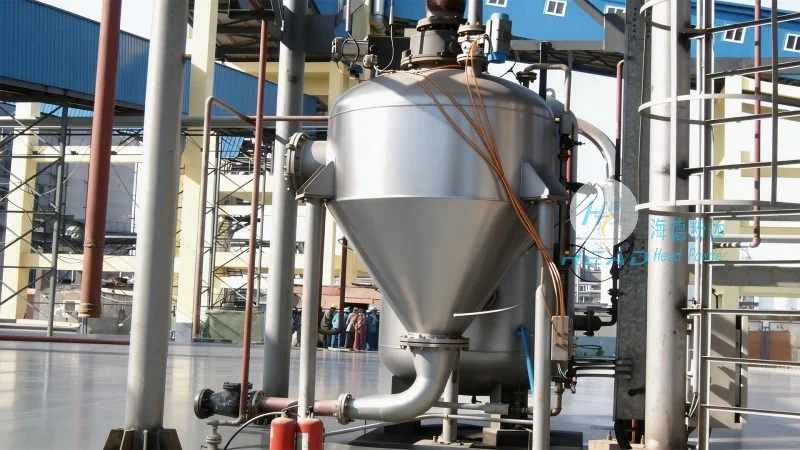
Overview of Clay Sand Conveying Methods
Clay sand, a critical material in foundry operations, requires reliable and efficient transportation from storage to the molding or casting process. Several methods are commonly used, each with distinct characteristics suited to different production scales and operational conditions. The primary methods include gravity flow, mechanical conveyors (such as belt conveyors and screw conveyors), pneumatic conveying, and hydraulic systems. Each method has its own set of benefits and drawbacks, which are discussed below.
1. Gravity Flow Conveying
Gravity flow, also known as bucket elevators or inclined chutes, relies on the natural force of gravity to move clay sand from a lower to a higher elevation. This method is often used for short distances and moderate slopes. The system typically consists of a hopper, a trough, and a discharge point at the desired height. The advantages of gravity flow include low energy consumption, minimal maintenance, and simplicity in design. It is particularly effective for transporting dry, free-flowing sand over short distances, such as from a storage silo to a molding machine. However, the disadvantages are significant. Gravity flow is limited by the slope angle and the length of the conveyor, which restricts its use to applications with specific elevation changes. Additionally, it is less suitable for transporting wet or sticky sand, as the material may not flow properly, leading to blockages or uneven discharge. The system also requires careful alignment and slope maintenance to ensure consistent performance.
2. Mechanical Conveyors (Belt and Screw)
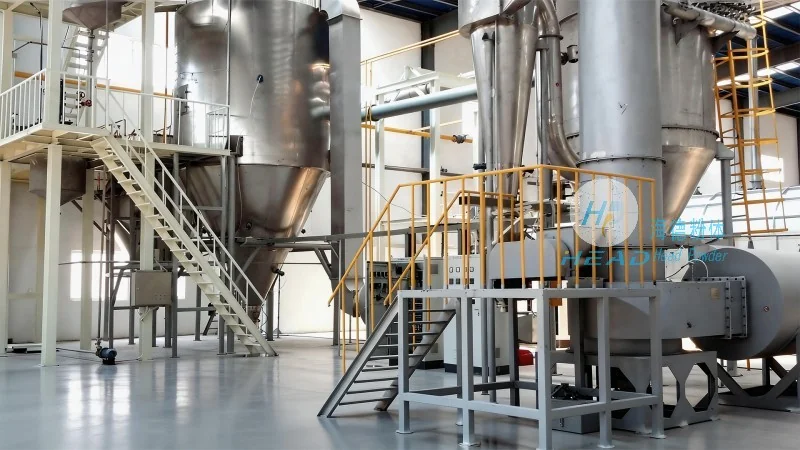
Mechanical conveyors, including belt conveyors and screw conveyors, are widely used in clay sand handling due to their versatility and ability to transport materials over longer distances. Belt conveyors use a continuous belt to move sand horizontally or at a slight incline, while screw conveyors utilize a rotating screw to push material forward. Both systems are capable of handling various types of clay sand, including dry, moist, or even slightly wet materials. The advantages of mechanical conveyors include high capacity, consistent speed control, and the ability to transport materials over considerable distances. They are also relatively easy to install and maintain, with readily available replacement parts. However, there are notable disadvantages. Belt conveyors require regular tensioning and cleaning to prevent material buildup and belt wear, which can increase maintenance costs and downtime. Screw conveyors, while effective for horizontal or shallow incline transport, may experience wear on the screw and trough due to the abrasive nature of clay sand, leading to higher replacement costs over time. Additionally, both systems may not be suitable for very fine or powdery sand, as the material can cause excessive friction and wear on components.
3. Pneumatic Conveying
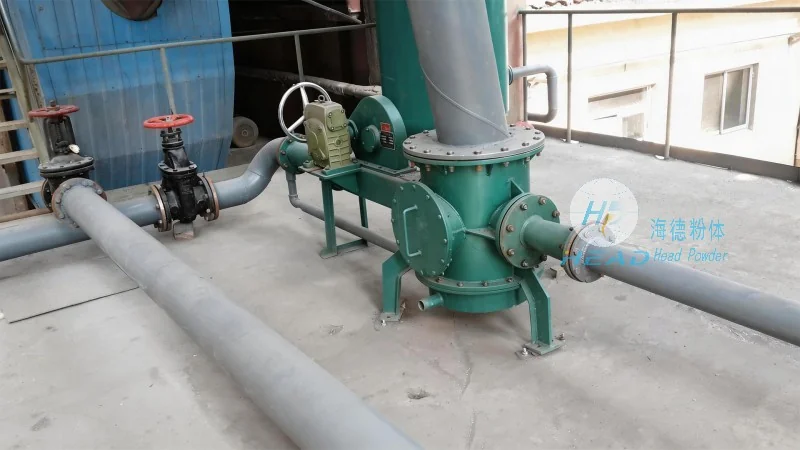
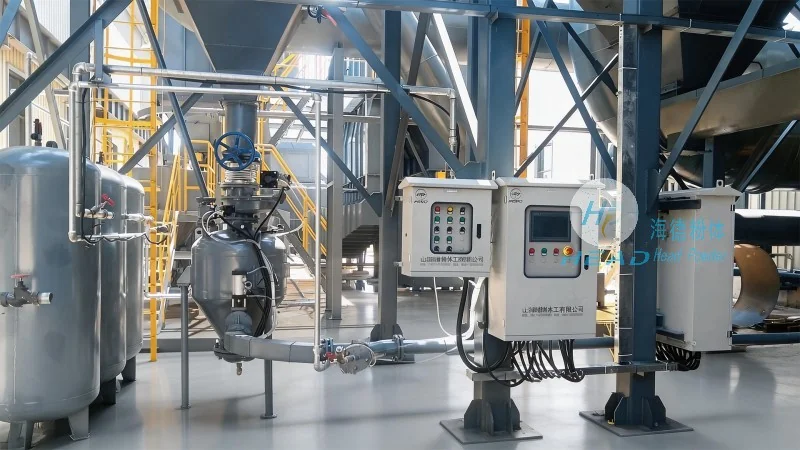
Pneumatic conveying uses air pressure to transport clay sand through a pipeline system. This method is particularly useful for applications requiring dust control, as the material is contained within the pipeline. The system typically consists of a hopper, a blower, and a pipeline network leading to the discharge point. The advantages of pneumatic conveying include the ability to transport sand over long distances with minimal space requirements, effective dust suppression, and the ability to handle fine or powdery materials. It is also suitable for transporting sand to multiple locations from a single source, as the pipeline can be branched. However, the disadvantages are significant. Pneumatic conveying is energy-intensive, as it requires powerful blowers to maintain sufficient air pressure. This leads to higher operational costs, especially for large-scale operations. Additionally, the system is susceptible to clogging if the sand is too wet or contains large particles, which can cause system downtime and maintenance issues. The pipelines also require regular cleaning and inspection to prevent material buildup and corrosion, adding to the maintenance burden.
4. Hydraulic Conveying
Hydraulic conveying uses water or a water-based slurry to transport clay sand through a pipeline. This method is often used in applications where the sand is mixed with water to form a slurry, which is then pumped through the system. The advantages of hydraulic conveying include the ability to transport sand over long distances with high capacity, effective control of material flow, and the ability to handle wet or sticky sand. It is particularly useful for applications where the sand needs to be mixed with water before use, such as in some molding processes. However, the disadvantages are notable. Hydraulic systems require a water supply and treatment system, which adds complexity and maintenance costs. The pipelines are susceptible to corrosion and clogging due to the abrasive nature of the sand and the presence of water, leading to higher replacement and maintenance expenses. Additionally, the system may not be suitable for applications where water contamination is a concern, as the sand and water mixture must be properly treated before disposal. The energy consumption for pumping the slurry is also higher compared to other methods, contributing to increased operational costs.
Conclusion and Recommendations
Choosing the right clay sand conveying method depends on several factors, including the production scale, the distance to be covered, the type of sand (dry, moist, or wet), and the available space and budget. Gravity flow is suitable for short distances and dry sand, while mechanical conveyors are versatile for various applications. Pneumatic conveying is ideal for dust control and long-distance transport, but at a higher energy cost. Hydraulic conveying is effective for wet sand and high-capacity transport but requires additional water treatment and maintenance. For industrial operations, it is often recommended to evaluate the specific requirements of the foundry and consider a combination of methods or a custom-designed system to optimize performance and cost. Shandong HeadPowder Engineering Co., Ltd., a leading provider of foundry equipment, offers expert consultation and tailored solutions to help clients select and implement the most suitable clay sand conveying system for their needs.




